

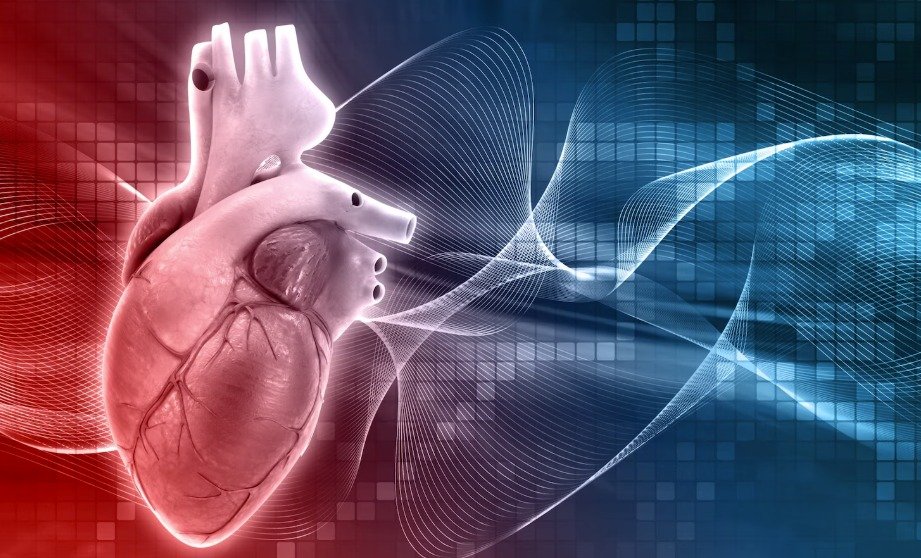
Recognizing the signs, acting fast, and understanding treatment
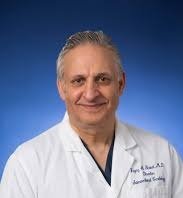
Dr Fayaz Shawl
Heart disease is one of the leading causes of death across India — and Kashmir is no exception. People in the Kashmir Valley face a high burden of cardiovascular disease, with heart attacks striking at a younger age than in many other regions. Yet with the right knowledge and fast action, many of these deaths are preventable. Understanding what a heart attack is, how to spot it, and what to do can save a life — possibly your own, or that of someone you love.
Why Are Kashmiris at Higher Risk?
Kashmiris share the South Asian genetic susceptibility to coronary artery disease — including higher levels of a harmful blood fat called lipoprotein(a) and a tendency towards insulin resistance, even at a normal body weight. Rising rates of type 2 diabetes, high blood pressure, high cholesterol and obesity in the Valley — combined with sedentary lifestyles and psychosocial stress — have made heart attacks increasingly common even among people in their 30s and 40s.
What Is a Heart Attack?
The heart is a muscle that needs a constant blood supply, delivered through vessels called the coronary arteries. A heart attack — medically known as a myocardial infarction — occurs when one of these arteries becomes blocked, cutting off blood flow to part of the heart muscle. The blockage is usually a blood clot forming on ruptured fatty plaque built up inside the artery wall. Without blood supply, heart muscle cells begin to die within minutes. The longer treatment is delayed, the greater the damage.
Recognizing the Warning Signs
Delayed presentation to hospital remains one of the biggest challenges in heart attack care — often because symptoms are dismissed as acidity, back pain, or muscle strain. Knowing the warning signs and acting on them without delay is critical. Common symptoms include:
- Chest pain or pressure — a heaviness, tightness, or squeezing sensation in the center of the chest
- Pain spreading to the left arm, jaw, neck, back, or upper abdomen
- Shortness of breath, sweating, nausea, or feeling lightheaded
- A sense of impending doom or sudden, unusual fatigue
Many Kashmiris — particularly those with diabetes — experience atypical symptoms such as mild abdominal discomfort or unexplained breathlessness, easily mistaken for indigestion or a chest cold. If any symptoms feel sudden and unusual for you, seek emergency help immediately rather than waiting to see if they pass.
🚨 If you suspect a heart attack: Immediately go to the nearest hospital with a cardiac catheterization facility. Do not drive yourself. Chew a 300mg aspirin if available and not allergic. Do not delay by trying home remedies.
What Happens at the Hospital?
On arrival, a dedicated cardiac team will assess you rapidly. An ECG — a painless tracing of the heart’s electrical activity — is performed within minutes to confirm the diagnosis and identify which artery is affected. Blood tests measuring troponin, a protein released when heart muscle is damaged, provide further confirmation. Rising troponin levels, even without severe chest pain, are a reliable marker of heart injury and allow the team to act swiftly.
Opening the Blocked Artery
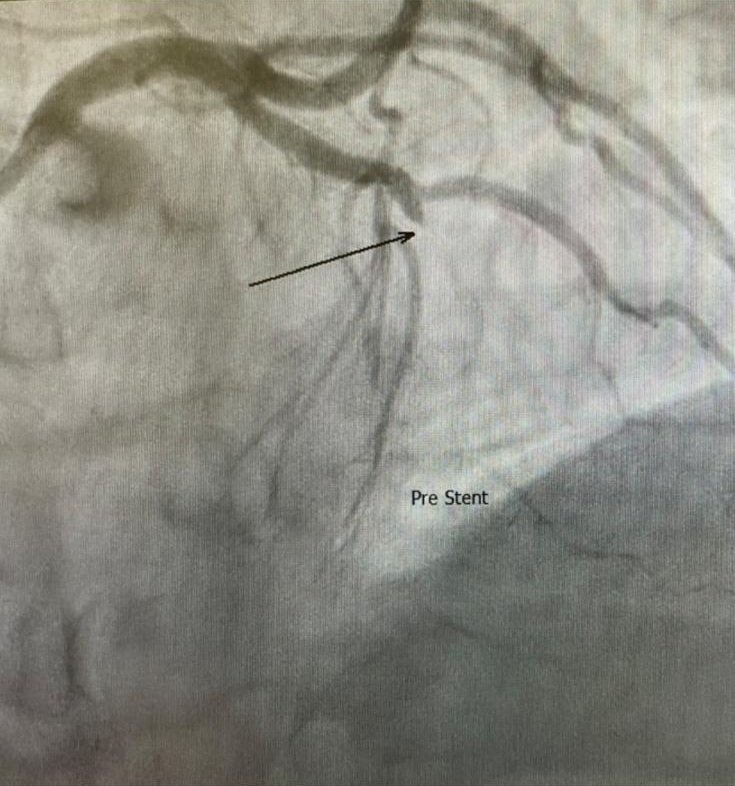
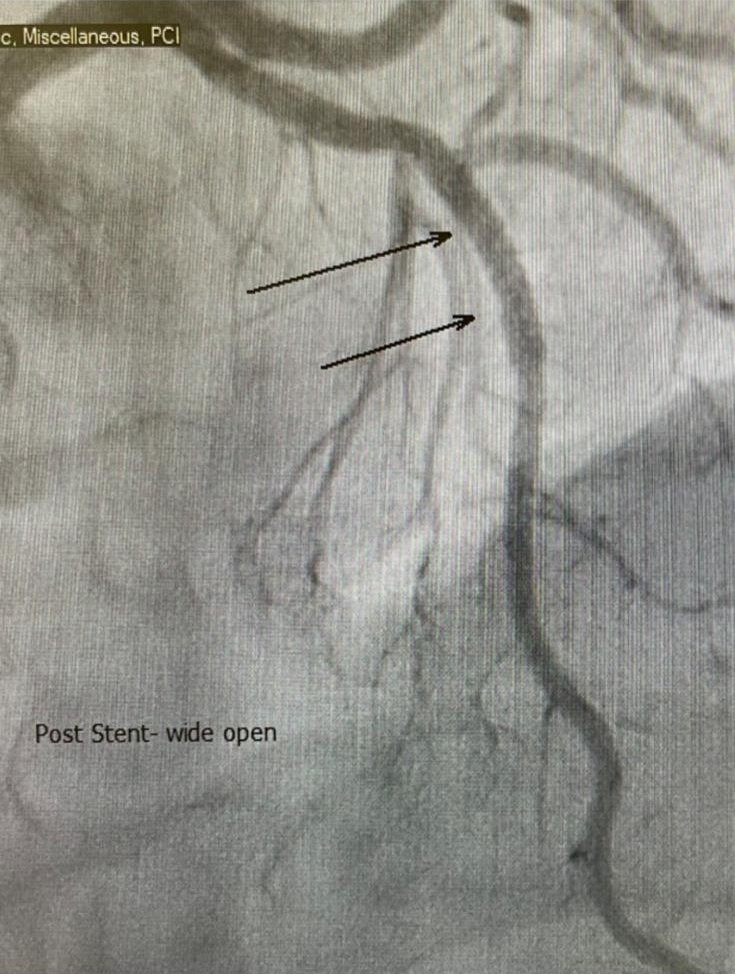
The most effective treatment is primary angioplasty, also known as PCI (percutaneous coronary intervention). (See before and after pictures noted during life Saving angioplasty with a Stent) The goal is to restore blood flow within 90 minutes of hospital arrival. A cardiologist inserts a thin tube called a catheter into an artery at the wrist or groin and guides it to the blocked coronary artery using live X-ray imaging. A small balloon is inflated to open the blockage, and a metal mesh stent is placed to keep the artery open permanently. The procedure is done under local anesthesia with most patients fully awake throughout. Where a Cath lab is unavailable, clot-dissolving medicines called thrombolytics can be given as an interim treatment before transfer.
Recovery and Life After a Heart Attack
Most patients are prescribed a combination of medicines after a heart attack — typically aspirin, a second antiplatelet drug, a statin, and a blood pressure tablet. Taking these consistently is essential; stopping them early without medical advice significantly raises the risk of a second, often more severe, event.
The emotional impact of a heart attack is often underestimated. Anxiety and low mood are very common in the weeks that follow. Family support — central to Kashmiri culture — plays a vital role in recovery. Involving loved ones in understanding medications, dietary changes, and follow-up care leads to better outcomes. Cardiac rehabilitation programs, combining supervised exercise with lifestyle education are strongly recommended.
Reducing Your Risk — A Word About Wazwan
Wazwan — Kashmir’s beloved traditional feast — is one of the richest culinary traditions in South Asia. Dishes such as Rogan Josh, Gushtaba and Tabak Maaz, are deeply woven into Kashmiri hospitality and celebration. However, regular consumption of these high-fat, meat-rich meals raises LDL cholesterol and promotes the build-up of fatty plaque in the coronary arteries over time, placing a significant burden on the heart.
Wazwan is best enjoyed as a celebration food rather than a daily habit. For everyday eating, a heart-healthier approach makes a real difference. The following steps can also significantly lower your overall risk:
- Limit Wazwan and high-fat meat dishes to special occasions
- Favour leaner proteins such as chicken meat, trout from Kashmir’s rivers, pulses, and legumes
- Increase vegetables, leafy greens, whole grains, and fresh fruit
- Reduce salt — heavily salted food raises blood pressure over time
- Avoid tobacco in all forms
- Stay physically active — at least 150 minutes of walking or moderate exercise per week
- Get your blood pressure, blood sugar, and cholesterol checked regularly
A heart attack is a medical emergency — but for many Kashmiris, it is also a preventable one. Awareness, timely action, and a commitment to a heart-friendly lifestyle are our most powerful tools. Do not ignore the warning signs, do not delay seeking help, and never stop your medicines without consulting your doctor. Your heart beats tirelessly for you every single day — it deserves your full care and attention.