


The infrastructure is in place. Digitisation has expanded, modern technology is readily available, but the people who actually conceive, shape, and produce programmes are missing.
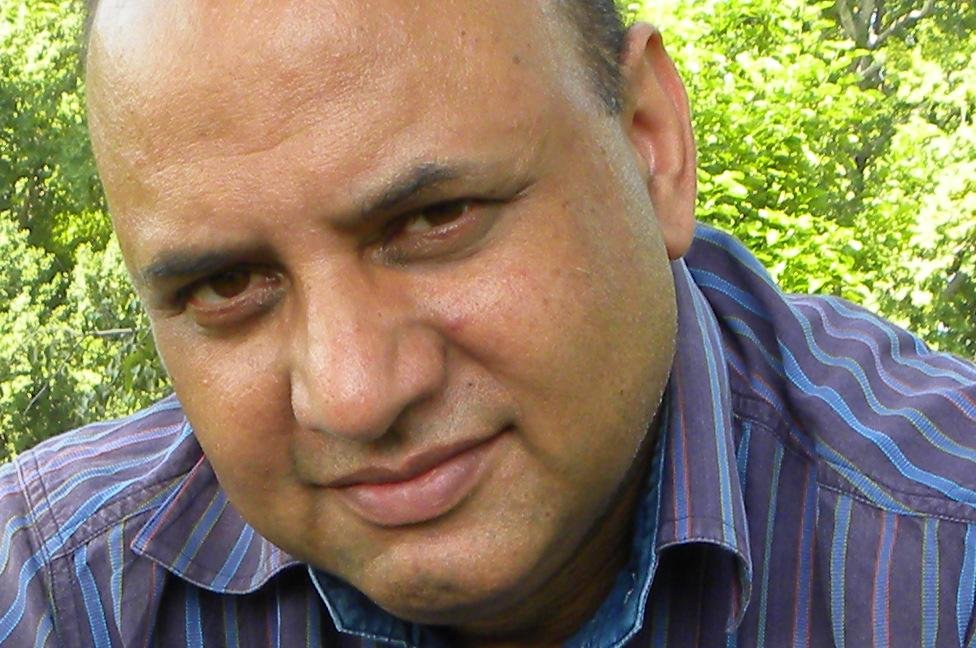
Zahoor Zahid
A.S. Bokhari (Ahmed Shah Bokhari), popularly known by his pen name Patras Bokhari, was the first Indian Director General of All India Radio (AIR). He led the organization during a critically important six-year period from 1941 to 1947, which included the years of the Second World War and the transition toward Independence. He succeeded Lionel Fielden and played a decisive role in consolidating and indigenizing the broadcasting system in India. While Lionel Fielden served as the first Director General of All India Radio from 1935 to 1939, A.S. Bokhari holds the distinction of being the first Indian to occupy the organization’s highest position. His tenure remains one of the most formative phases in the history of Indian broadcasting.
His contribution went far beyond routine administration; he was instrumental in defining AIR’s policies, organizational hierarchy, administrative framework, and, most importantly, its programme philosophy. The broadcasting model that was adopted for All India Radio was a model that clearly distinguished between the creative and administrative functions of the organization. Under this model, AIR was structured around two principal streams: a creative cadre responsible for programme conception, production, and content management, and a management cadre entrusted with administration, finance, and organizational governance.
One of his most significant contributions was the recruitment and nurturing of talented young professionals across creative, technical, and administrative domains. He believed in building a strong internal cadre of broadcasters and artists, thereby laying the foundation for a sustainable and professional public broadcasting service. His emphasis on quality content, clarity of purpose, and institutional integrity left a lasting imprint on AIR’s ethos.
Beyond his administrative achievements, A.S. Bokhari was a distinguished intellectual. He was a professor of English literature and a celebrated Urdu humourist and writer, widely admired for his wit, literary style, and cultural insight under the name Patras. This rare combination of literary sensibility and administrative acumen enabled him to bring cultural depth and intellectual rigor to broadcasting.
At the core of the creative cadre were Producers, who formed the backbone of AIR’s programming. Producers were responsible for designing, conceptualizing, and supervising programmes across genres such as drama, music, talks, features, and educational broadcasts. They were supported by a well-defined creative ecosystem that included Production Assistants, Script Writers, Copyists, and technical support staff. In addition, AIR maintained a strong pool of Staff Artists, comprising newsreaders, announcers, Comperes, drama voices, music composers, vocalists, and instrumentalists, all of whom contributed directly to the richness and diversity of broadcast content.
A defining feature of this system was the concept of cadre-based career progression. Creative professionals were expected to grow and advance within their own specialized domain. For instance, a Producer would remain within the producer cadre throughout his or her career, progressing in seniority and responsibility without being diverted into administrative roles. This ensured professional continuity, creative specialization, and a deep understanding of content creation, rather than managerial dilution of creative talent.
This cadre-based structure, helped to establish high standards of professionalism, editorial integrity, and creative excellence at All India Radio. Significantly, this approach continues to remain relevant and is still practiced, in varying forms, across most major broadcasting organizations around the world today.
A turning point came when the producers decided to approach the High Court seeking a change in cadre and promotions within the administrative cadre. The High Court upheld their plea, and this decision proved to be a watershed moment. From then on, the fate of creativity was effectively sealed, marking a clear departure from the original concept of All India Radio. Not all cadres were amalgamated; a few were left out, including news readers, announcers, comperes, and music composers and instrumentalists
It is an irony that even such cadres were inducted into the Programme Cadre whose basic qualifications were minimal, often no more than matriculation. This included copyists meant only to copy scripts, and in Doordarshan even wardrobe assistants, set designers, carpenters, and similar staff were absorbed into the Programme Cadre. At the same time, announcers, comperes, drama voices, and newsreaders, who were far more qualified and intrinsically closer to the Programme Cadre, were deliberately left out.
Later, after cadre restructuring, the most coveted post of Programme Executive began to be filled through selections conducted by the Union Public Service Commission. But how could a simple interview ever assess the creative instinct required for broadcasting? As a result, genuine talent and creativity, rooted in language, culture, and the arts, were side-lined.
Radio Kashmir was fortunate to have producers who were forward-looking and truly ahead of their time. Their contribution was so immense that it could compete with programmes from the finest broadcasting establishments anywhere. Creative to the core, they understood the medium instinctively, experimented fearlessly, and produced programmes of exceptional brilliance.
Among the senior stalwarts were Qaisar Qallander, Pran Kishore, Bashir Bhat, Somnath Sadhu, and Pushkar Bhan. In later years, broadcasters such as Farooq Nazki, Bhajan Sopori, Bhansi Nirdoush, Bashir Arif, Rukhsana Jabeen, Nayeema Ahmad Mehjoor, Abdal Mehjoor, Bashir Shah, P. L. Razdan, Shamshad Kralwari, and many others left an indelible mark on the broadcasting landscape of Kashmir.
Announcers, comperes, and newsreaders were the most competent lot. They were not only academically qualified but were selected through a rigorous three-tier process consisting of a written test, a voice test, and a personality assessment. These were among the most creative cadres in broadcasting, and they consistently excelled at the Annual Akashvani Awards, often winning the most prestigious honours.
During the peak of militancy, these announcers and comperes played a pivotal role in sustaining public broadcasting. Altaf Bukhari, Sharief-ud-Din, Abdul Rehman Bhat, and Abdul Hamid Kasana, in the midst of fear and uncertainty, when lives were being lost without reason, they continued to broadcast, seven days a week, 365 days a year, undaunted and unwavering. I recall Manohar Parothi, one of the most brilliant and versatile broadcasters of his time, on a single day, he would present a Western music programme, followed by Fauji Bhaiyon ke Liye at 1:30 pm and 3:00 pm, and later a Punjabi programme at 4:00 pm. His command over Urdu, English, Punjabi, and Hindi was so effortless that listeners could hardly believe the same person was presenting all these programmes. That was true broadcasting genius.
Broadcasters are born; they are not made. Broadcasting is not merely a job, it is an instinct, something that flows in one’s genes and matures with experience. A real broadcaster keeps learning, reshaping abilities, refining language skills, and staying abreast of technology. Without this continuous evolution, one cannot achieve distinction or stand apart.
Today, Radio and Doordarshan are virtually on a ventilator, gasping for relevance. Once the most prestigious institutions of the country, they now reflect a disturbing decline. This deterioration is not just institutional; it is a death knell for the many languages, cultures, and fine arts they once nurtured. Thousands of artists who depended on these platforms now face erasure.
In both Radio and Doordarshan, Kashmiri has been pushed to the back seat. This marginalisation can have disastrous consequences for the future of the Kashmiri language. The broadcast of programme highlights in Kashmiri, once a regular feature on both radio and television, is now a thing of the past. I fail to understand why our mother tongue is subjected to such step-motherly treatment by the organization which nourished it over a period of time.
What is even more disheartening is that many anchors and presenters cannot speak Urdu properly; their pronunciation and accent are often atrocious. Yet they speak with unwarranted confidence in a language that is neither proper Urdu nor authentic Kashmiri, but an awkward and confused mix of the two.
Amid this bleak scenario, one daily programme that is broadcast regularly from Akashvani Srinagar, which truly captivates is the one on Sufism “Sufi Sada” by Satish Vimal. Satish is a person of extraordinary talent, a seasoned poet who writes with equal ease in Kashmiri, Hindi, and Urdu. His depth of knowledge and authority on the subject are evident whenever he speaks, offering rare insight and intellectual grace. In an otherwise dark cloud, he stands out as a genuine silver lining.
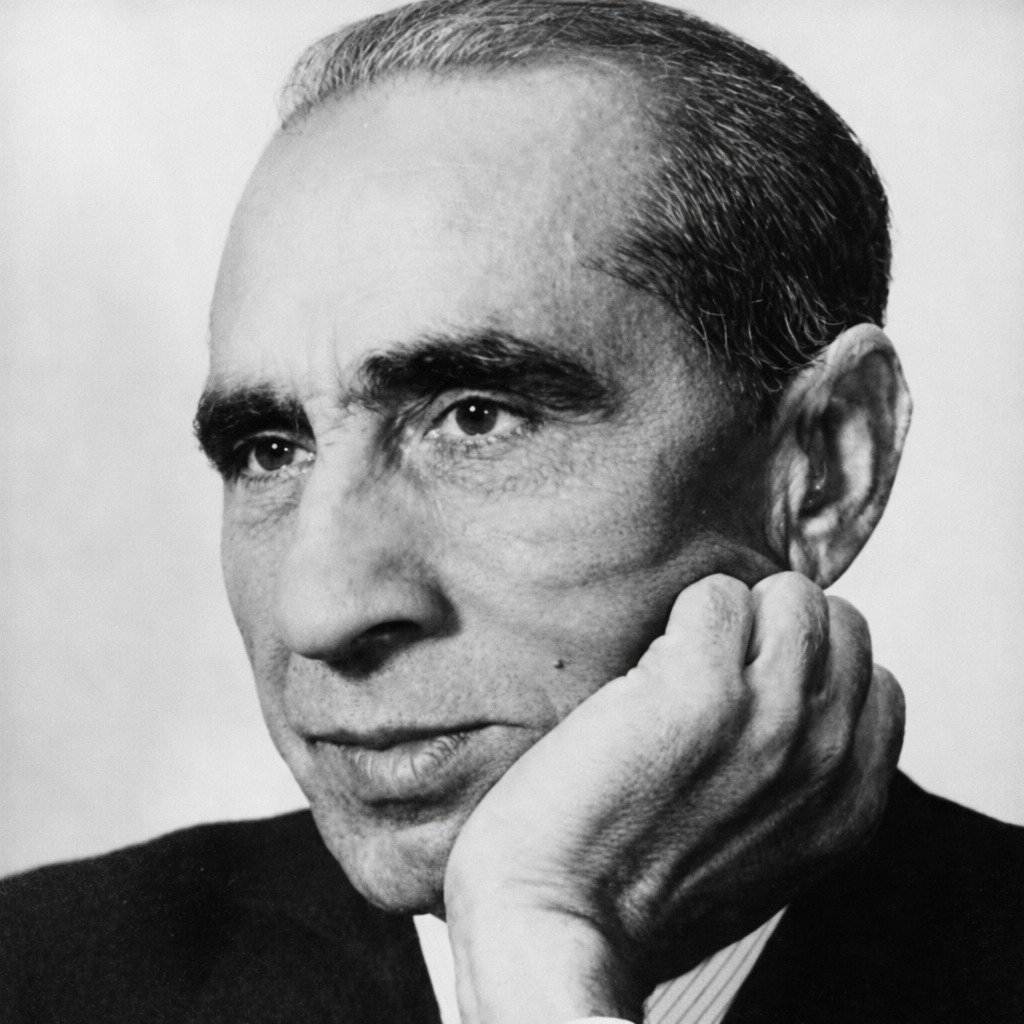
I truly believe that A. S. Bokhari’s vision could not be carried forward, perhaps because those who followed lacked the immense qualities and insight he possessed. Today, Prasar Bharati has grown into a vast organisation, with 591 radio stations and 66 Doordarshan digital studios, yet it suffers from a glaring absence of programmers.
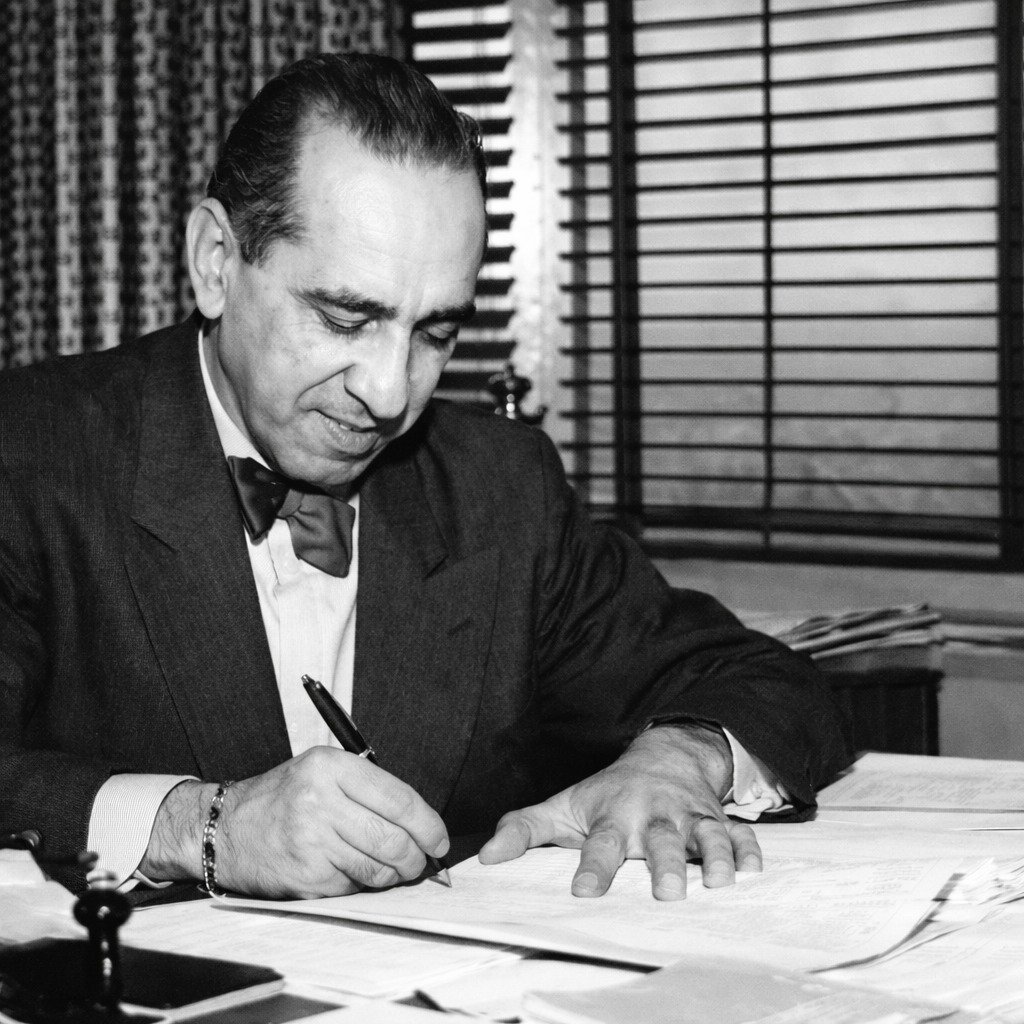
The near extinction of the programme cadre is the direct result of a failure at the highest levels to recognise the need for inducting creative talent into the organisation. No serious thought was given to nurturing or replenishing this vital cadre, and the consequences are now evident. Engineers, who were meant to assist in the production of programmes, are today running the show and heading stations across the country. They have been entrusted with responsibilities for which they were neither trained nor intended.
The infrastructure is in place. Digitisation has expanded, modern technology is readily available, but the people who actually conceive, shape, and produce programmes are missing. Broadcasting has become technologically equipped but creatively impoverished.