

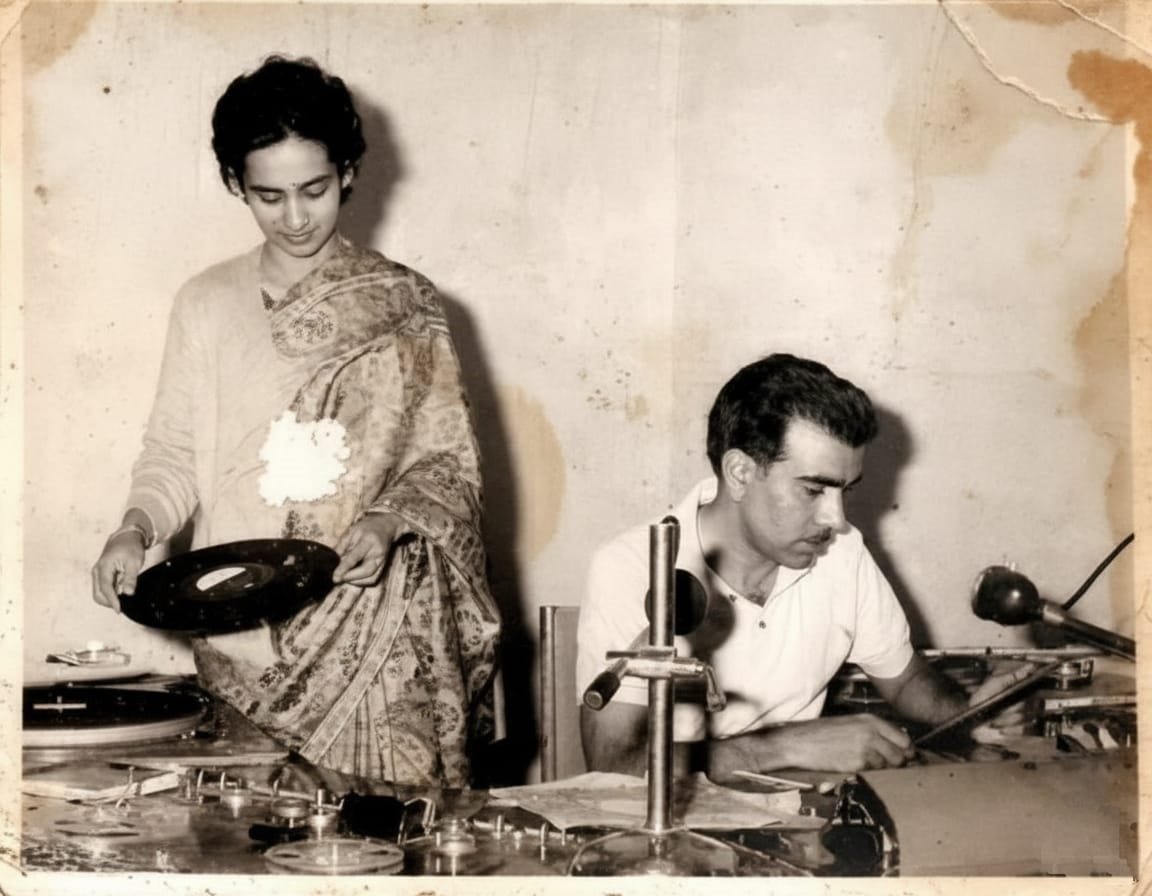
Times Link will take you on a voyage through a time when radio was a living, breathing medium, when sound alone created worlds, and some of the most stunning programmes left audiences truly spellbound. Our Consulting Editor, Zahoor Zahid,is revisiting an era when creativity thrived and broadcasting was an art. Alongside this remembrance, We will also examine the present reality of programming in both radio and television, tracing how we arrived here and what has been lost along the way. (EDITOR)
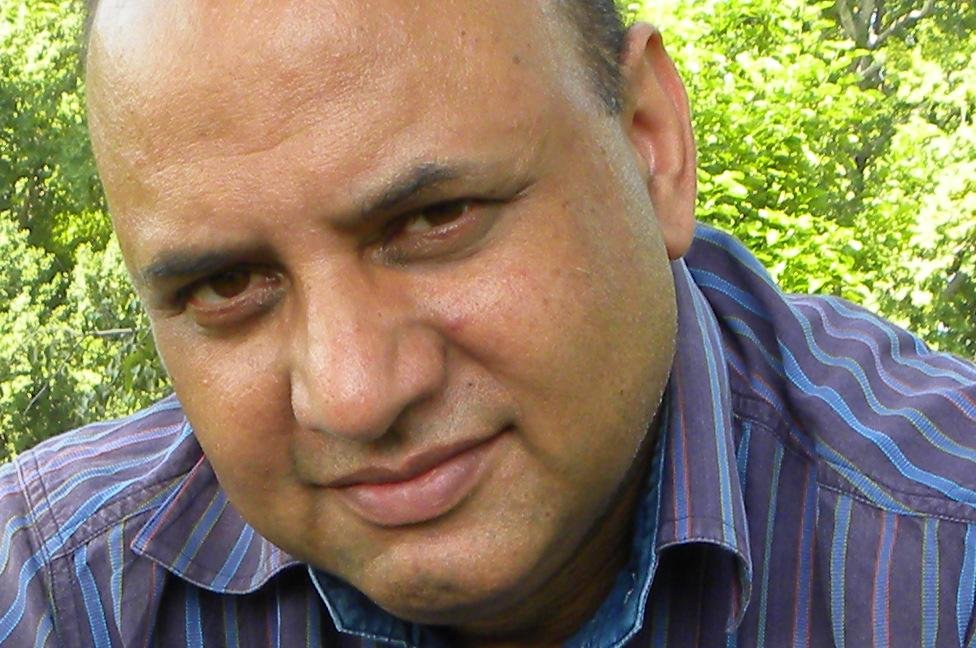
Zahoor Zahid
Radio in India did not arrive with fanfare; it grew quietly, carried by curiosity, community effort, and the magic of invisible waves. From the early amateur radio clubs of the 1920s to the short-lived Indian Broadcasting Company in 1927, broadcasting was still finding its voice. When IBC collapsed, the government stepped in, and in 1936 All India Radio, later known as Akashvani-was born, laying the foundation of a medium that would inform, entertain, educate and unite a vast and diverse nation.
Over the decades, AIR expanded into one of the world’s largest broadcasting networks, introducing iconic services such as Vividh Bharati, which brought film music and popular culture into everyday Indian life. The later arrival of private FM stations transformed the soundscape yet again, adding freshness, youth, and local flavour. Today, Indian radio stands as a public service broadcasting, private enterprise, and community voices, reaching nearly every corner of the country through AM, FM, and shortwave, still intimate, immediate, and deeply human.
Radio reached Jammu & Kashmir at a moment of profound historical upheaval. In the closing months of 1947, when information itself had become a strategic necessity, Maharaja Hari Singh inaugurated Radio Kashmir Jammu on December 1, 1947, primarily to counter hostile propaganda emanating from across the border. The medium soon proved far more than a tool of wartime communication.
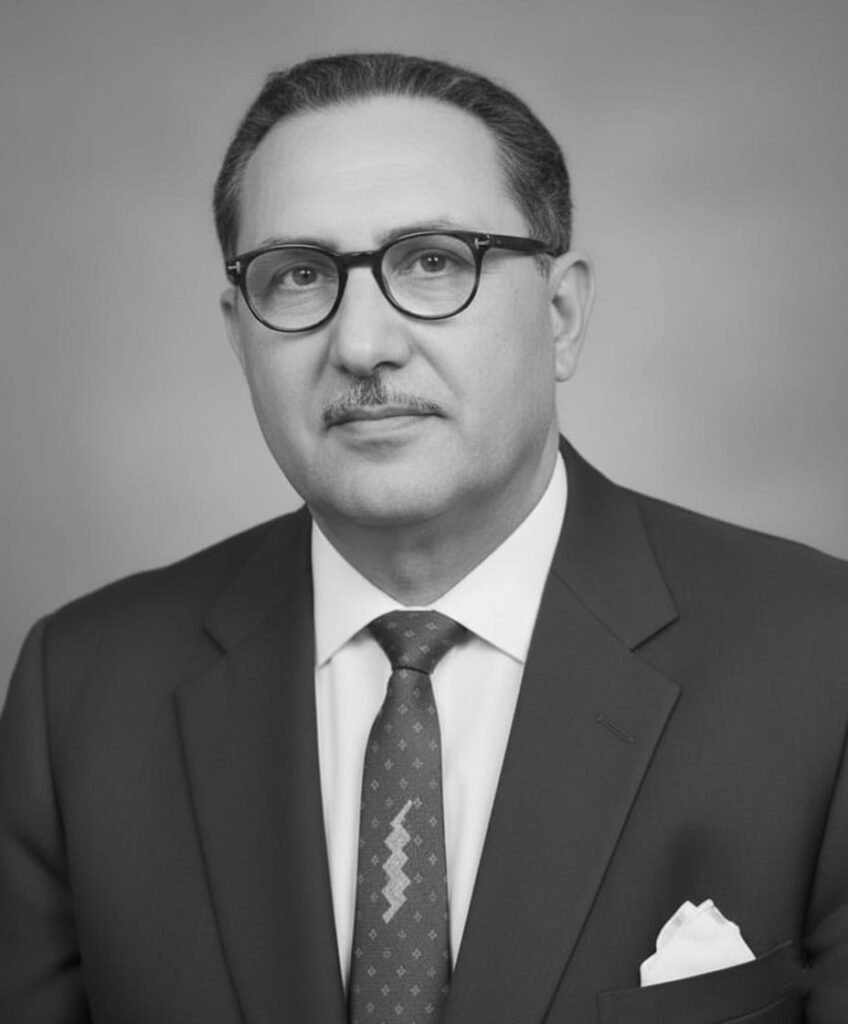
With the launch of Radio Kashmir Srinagar on July 1, 1948, broadcasting in the region acquired a cultural and emotional voice of its own. These stations played a pivotal role in shaping public opinion, preserving local languages, and nurturing Kashmiri, Dogri, and regional artistic traditions. Over time, Radio Kashmir emerged not just as a transmitter of news, but as a custodian of the Valley’s cultural memory, connecting people across mountains, conflict, and generations through the enduring power of sound
In the modern administrative sense, J.N. Zutshi stands out as the first Director General of Radio Kashmir, while also serving as Secretary to the J&K Government’s Information and Broadcasting Department. In its formative years, the state itself managed radio broadcasts, even as the stations functioned operationally under All India Radio. The very name “Radio Kashmir” was deliberate and symbolic; retained by India, with the approval of Sardar Vallabhbhai Patel, then Deputy Prime Minister and Information & Broadcasting Minister, as a strategic counter to Pakistani propaganda and as a declaration of local identity.
The Srinagar station, inaugurated in 1948 by Sheikh Mohammad Abdullah, the then Prime Minister of Jammu & Kashmir, became a powerful platform to present the “real” narrative of J&K from the Indian side, reflecting its culture, aspirations, and political realities. Remarkably, Radio Kashmir continued to operate under this distinct name for over seven decades, even while being part of AIR, until October 2019. Following the reorganization of the state, it was renamed All India Radio Jammu and Srinagar, and later, in 2023, rebranded as Akashvani, marking a new chapter in the region’s broadcasting history.
Ghulam Mohi-ud-Din holds the distinction of being the first Head of Station of Radio Kashmir, Mir Ghulam Rasool Nazki, Prem Nath Pardesi,Ghulam Hassan Aijaz, Abdul Haq Barq, Sadre ud din Mujahid, Habib ullah Allaqband and Prof. P.N.Pushp joined in different capacities playing a foundational role in shaping its early broadcast identity. Latter they were joined by Pran Kishore, Qaisar Qallandar, Bashir Bhatt, Somnath Sadhu, Farooq nazki, Pushkar Bhan Mummad Sultan Pandit, jagan Nath Saqi and others and as they say “log miltay gaye aur karwan bhadta gaya”. At a time when radio in Jammu & Kashmir was both a cultural lifeline and a strategic instrument, these outstanding personalities helped establish credible programming, disciplined broadcasting, and a strong connection with the people. Under their unrelenting foresight, Radio Kashmir emerged as a trusted voice, balancing news, public information, and rich regional content, thereby laying the groundwork for the institution’s enduring legacy in the social and cultural life of J&K.
Following the experimental launch of television in Delhi in 1959 and the establishment of the second station in Bombay in October 1972, the inauguration of the Srinagar television station marked a significant phase in the rapid expansion of this new medium across India. The Government of Jammu and Kashmir actively advocated for the establishment of a television service in the region, recognizing its importance for communication, education, and cultural outreach. A key strategic consideration behind this initiative was the growing influence of cross-border broadcasts, particularly Pakistan Television (PTV), whose powerful transmitters located near the borders of Jammu and Kashmir had a considerable viewership in the region. In 1975, the Srinagar station was integrated into the national broadcasting network, Doordarshan.
Doordarshan Srinagar became instantly popular as people experienced the magic of the visual medium for the first time. In its early years, film-based programmes enjoyed immense popularity. Sundays, in particular, were eagerly awaited for the broadcast of a Hindi feature film. Mohalla youth would throng the few households that could afford a television, transforming these homes into lively community centres where collective viewing became a shared social ritual. Despite the new craze for television, people retained a special affection for radio, which had long become an inseparable part of their daily lives.
Prasar Bharati, India’s public broadcaster for All India Radio (AIR) and Doordarshan, was established in 1997, coming into force on November 23, 1997, after the Prasar Bharati Act of 1990 was finally implemented, granting autonomy to the public radio and TV services. The Act itself was passed in 1990, but its enforcement was delayed until 1997, making 1997 the key year for its actual formation as an autonomous body. “Prasar Bharati” proved to be a costly miscalculation. These two once-magnificent institutions never attained the autonomy that was expected to transform them into vibrant centres of art, culture, and language. Today, both stand on what can only be described as a deathbed, gasping for relevance and facing the threat of annihilation. Ironically, while these institutions are now equipped with the most modern technology, they lack the human resources necessary to produce meaningful content. This decline is evident from the fact that the erstwhile Radio Kashmir once had as many as twenty-four Programme Executives, nearly twice the number of Production Assistants, along with scriptwriters, copyists, and a host of other professionals dedicated to content creation. In stark contrast, the same station today functions with merely two or three Programme Officers, even as broadcast hours have increased from eighteen hours to almost double.
The situation at Doordarshan Srinagar is even more alarming. Today, there is only one Programme Executive where once there were dozens of broadcasters and professionals producing quality content, while the airtime remains unchanged. Programmes are now being assigned to editors, wardrobe assistants, and recently casual contractual staff. With such an acute shortage of trained personnel, the very idea of quality programming becomes untenable. As a result, a channel that was once immensely popular has steadily lost both its viewership and its relevance. The artistic community, poets, Writers, actors, musicians, and all those connected with art and culture, have been the worst affected. These institutions were established to preserve language and culture, yet paradoxically, it is these very custodians of cultural expression who have suffered the most.
Sound and visual media are not merely instruments of transmission; they are living spaces where creativity is nurtured, traditions are documented, and languages find continuity across generations. When these platforms weaken, creativity withers, and the cultural memory of a people begins to fade into silence.