

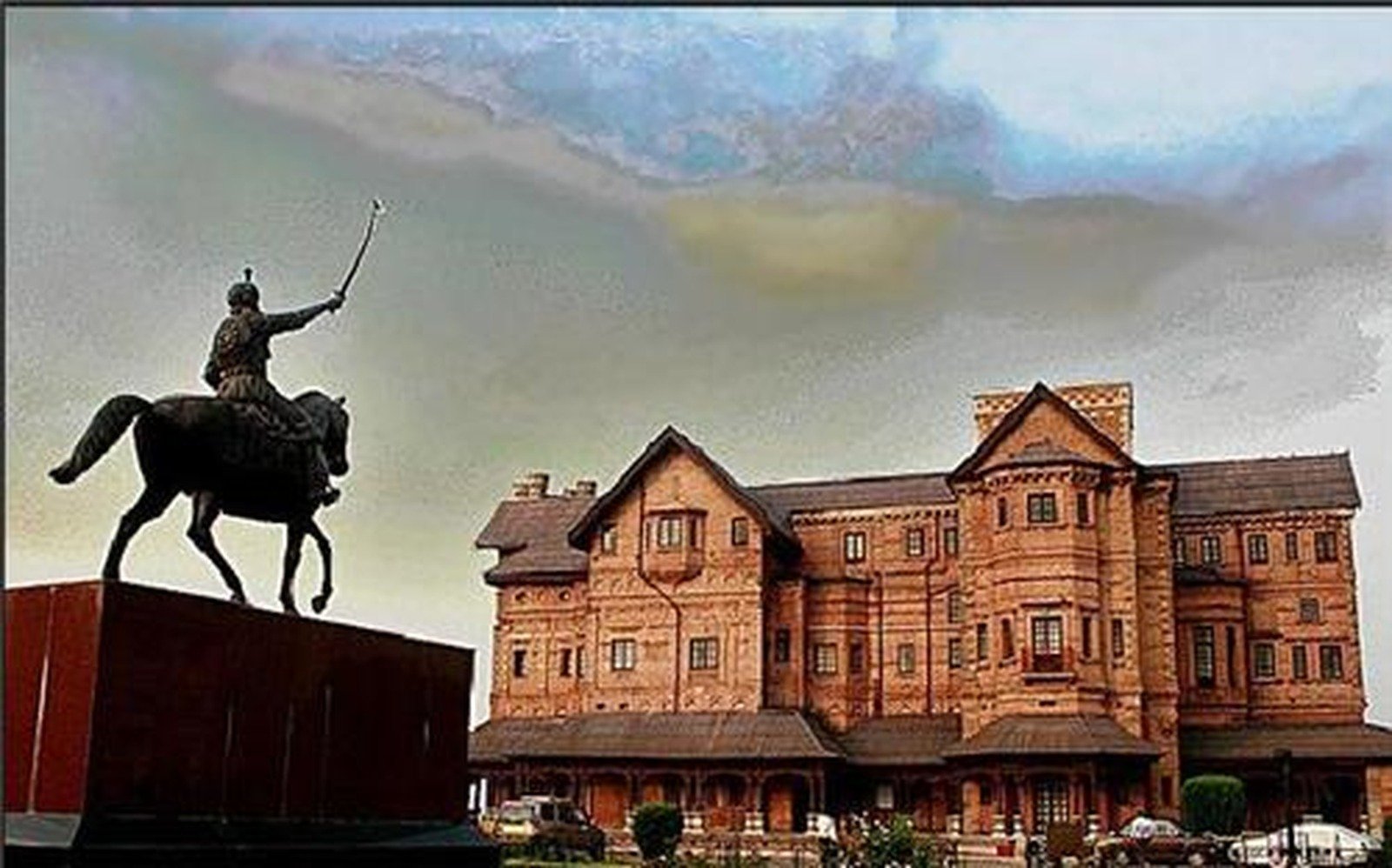
“Dogreya di mitti vich sanskar te maryada ghuli hundi ae.” (The soil of Dogras is soaked with values and dignity.)
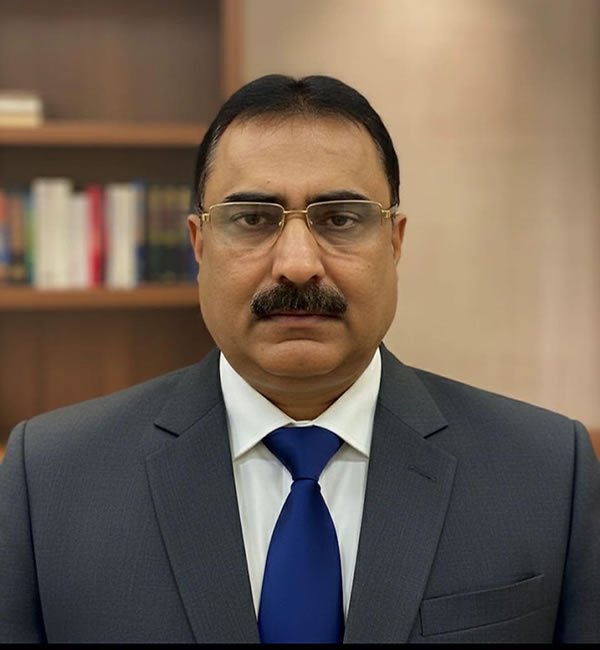
Anil Kumar Sharma
These words return to me often, especially when I reflect on my childhood—an era when Dogra culture was not preserved in museums or debated in seminars, but lived instinctively in homes, streets, fields, and places of worship. Culture then was not an identity to be asserted; it was a natural inheritance, quietly shaping behaviour, relationships, and choices. Life moved at a human pace, bound together by shared customs, collective conscience, and an unspoken moral code.
In those days, feasts were not private indulgences but community occasions. People sat together in orderly rows, erasing distinctions of status, while local volunteers served meals in patar dunas, simple leaf plates that symbolised equality and respect for nature. Food was prepared with care and reverence. No gathering felt complete without dal, ambal, meetha madra, and the unmistakable crunch of churri. These were not just dishes; they were traditions passed from one generation to another, carrying the wisdom of balance, restraint, and nourishment. Excess was never admired; simplicity was.
Social roles were clearly defined, yet deeply respected. The nai was not merely a barber but an integral part of family and society—a confidant, a messenger, and often the first carrier of news. Through traditional instruments like the kailh, messages travelled from village to village, keeping communities informed and connected long before modern communication replaced human presence with devices. Relationships were personal, trust based, and enduring.
Religion, notably, was never the primary marker of identity. People were known by the work they did, the profession they followed, and the service they rendered to society. Respect was earned through contribution, not proclamation. This quiet secularism, rooted in lived harmony rather than ideology, allowed communities to coexist without friction. Faith was private; dignity was public.
Elders occupied a sacred space within the household. Their presence commanded respect without demand. What they spoke was not questioned for authenticity; it was absorbed as lived wisdom. Their stories of struggle, survival, honour, and restraint became our textbooks. Through them, values were transmitted organically, not through instruction but through example. Decisions taken by elders were accepted as guidance, and deviating from them invited social correction. This discipline was not oppressive; it was protective, ensuring cohesion and continuity.
The pride of belonging to a tribe or village was deeply ingrained. Identity was collective, not individualistic. Society functioned through interdependence, each person conscious that personal actions reflected upon the larger community. There existed a quiet fear, not of punishment by law, but of losing one’s moral space within society. That fear acted as the strongest regulator of conduct.
Cultural life found expression in melas and sinjh (traditional wrestling contests), which were not merely events but communal celebrations. Villages discussed them for days, reliving moments of strength, honour, and sportsmanship. These occasions provided release from daily labour and reinforced bonds of camaraderie and shared joy.
Even travel carried dignity. The rhythmic tumak of the goda gaddi (horse cart), accompanied by the gentle sound of bells around the horse’s neck, was a matter of honour. To travel thus was not just movement from one place to another; it was an experience, embedded in memory and pride.
Seasonal rhythms shaped social life. Winters brought people together around roadside or household campfires, where conversations flowed freely. The day’s affairs were discussed, worries softened, and folk stories narrated, stories that carried humour, wisdom, and subtle moral lessons. Summers had their own grace: sitting under the shade of trees, drawing cool water from matkas, feeling the body and mind soothed by simplicity. Even childhood discomforts, nosebleeds during harsh summers or chilled nostrils in winter, return today as strangely pleasant memories, infused with innocence and curiosity.
Healthcare, too, was deeply human. The visit of a doctor or vaid, carrying a traditional bag, was an event marked by gratitude. Healing was not confined to prescriptions. Relatives and neighbours arrived with fruits, words of encouragement, and reassuring presence. This collective concern often worked wonders. Illness was shared; recovery became a community achievement. Emotional support complemented medicine, reinforcing the belief that one never suffered alone.
When one compares this lived world with the present reality of Jammu as part of the Union Territory of Jammu and Kashmir, the contrast is unsettling. We now possess speed, technology, and unprecedented convenience, yet we seem to lack depth, patience, and belonging. Relationships have become transactional, elders marginalised, and traditions reduced to ceremonial performances. Culture is often showcased, not lived. Language is remembered during functions, not spoken at home. Food is consumed, not cherished. Identity is asserted loudly, while values quietly erode.
This reflection is not a rejection of progress. Change is inevitable, and modernity has brought undeniable benefits. Yet progress divorced from memory becomes hollow. A society that forgets its cultural grammar risks becoming efficient but emotionally impoverished. The Dogra way of life was not flawless, but it was humane, inclusive, and anchored in dignity.
Remembering koai luta de mere bite hue din is not nostalgia—it is responsibility. Our legacy was built on lived values, not borrowed ideas. If we allow it to fade into mere recollection, we lose more than traditions; we lose our moral compass. Progress must walk alongside memory, or else we may move faster but arrive nowhere meaningful. The future of Jammu does not lie in abandoning its roots, but in carrying them forward—quietly, confidently, and consciously.
(The author is Bureau Chief, Jammu, at Times Link)