

TIMES LINK EDITORIAL DESK
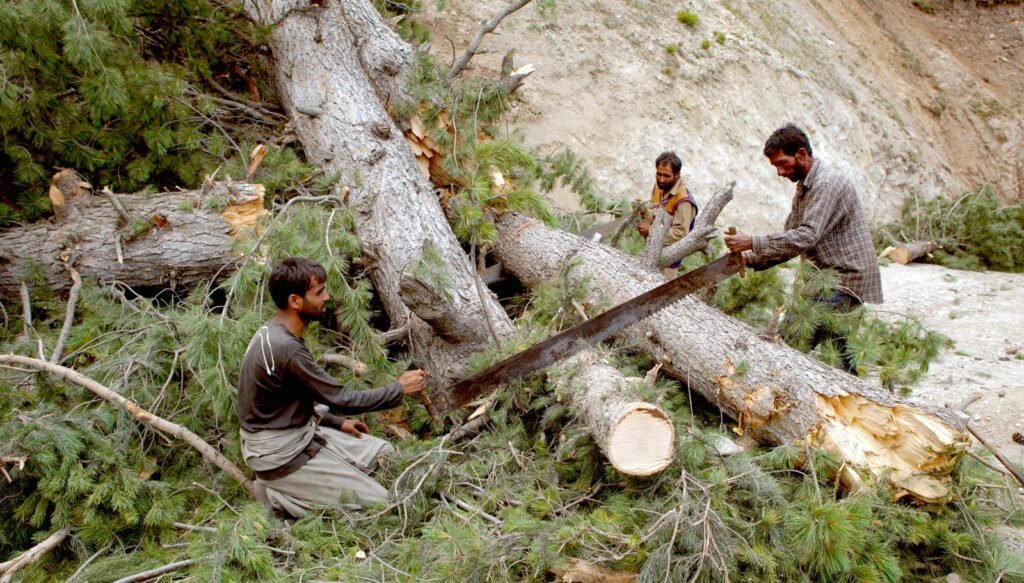
Kashmir is fast losing the identity as a region where all the four seasons – Spring, Summer, Autumn and Winter – were distinct from each other. Reason is simple. Its environment is facing a severe ecological crisis, characterised by rapid degradation, climate change, and human-induced pressures that are causing lasting harm to its delicate ecosystem. Once known for its pristine beauty, the region is now struggling with issues like deforestation, disappearing snowlines, and polluted water bodies.
A quick global snapshot of environmental crisis reveals that after the industrial revolution the world became more polluted, more populated and hotter than ever! Environmental and climate change scientists predict that billions of people will die because of global warming and climate change! They say 70% of the forests on the Earth have been devastated by humans. The only way to survive is to reforest, recycle, reuse everything, clean the oceans and rivers, invest in renewable energy.
To understand the causes of deteriorating environmental ecosystem in Jammu and Kashmir, it is imperative to know basic things of environmental management as well as environmental governance. Environmental management is the practical, science-based process of planning, monitoring, regulating and improving process. It shows how natural resources are used so that development happens without degrading ecosystems, public health, or future livelihoods.Assessment, monitoring. mitigation and restoration; compliance and enforcement; and climate adaptation and resilience planning form the part of environmental management.
Environmental governance is the institutional, legal and policy framework through which environmental management is guided, regulated and made accountable.It deals with laws, policies and standards. Decision-making, transparency and accountability form integral part of the environmental governance. It also emphasis integration of environment into development planning.
So, environmental management is what we do on the ground; environmental governance is how and who decides, regulates and ensures accountability.
Jammu &Kashmir Scenario
(a) Current Scenario – Key Challenges
J&K is an ecologically fragile Himalayan region facing multiple, interlinked pressures. The main challenges:
• Climate change impacts: cloudbursts, flash floods, reduced snowfall, glacial retreat
• Rapid urbanisation without carrying capacity assessment
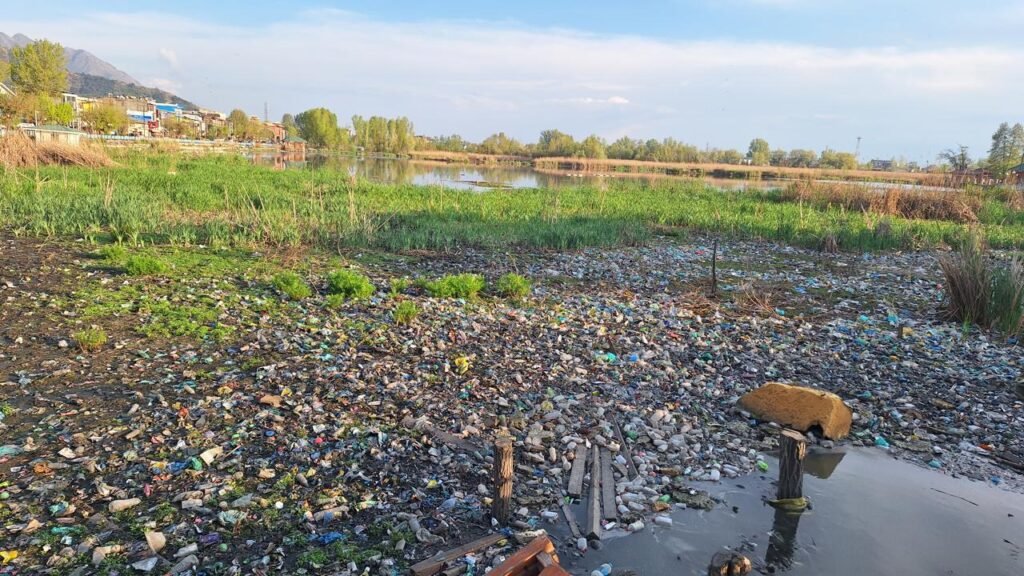
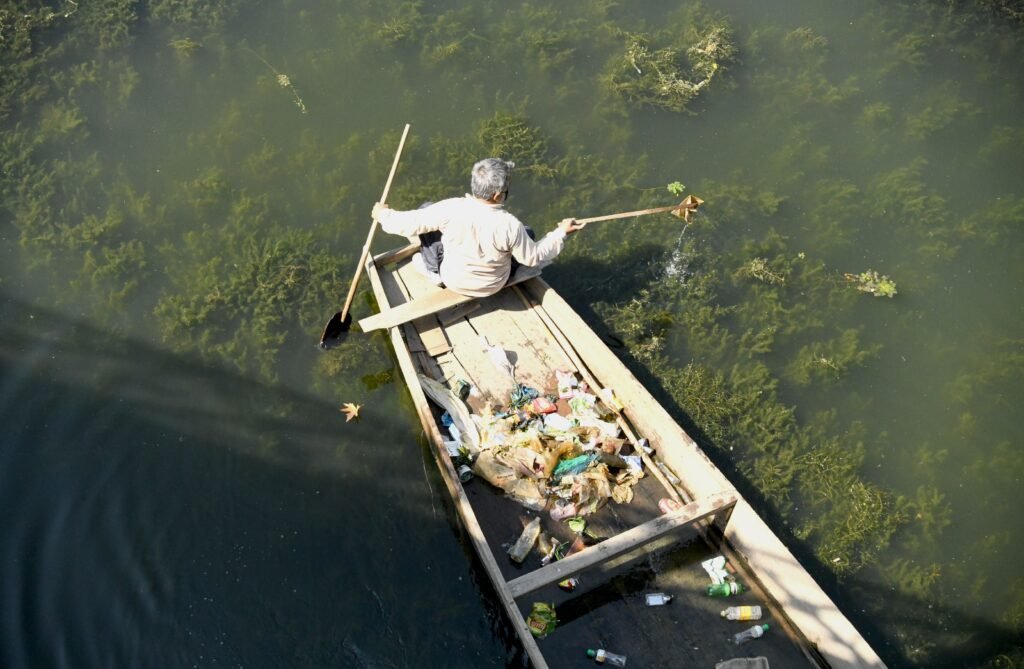
• Degradation of lakes, wetlands and river systems
• Air pollution from transport, brick kilns, cement units and biomass burning
• Tourism pressure in ecologically sensitive zones
• Weak enforcement and fragmented institutional coordination
The frequency of disasters in Ramban, Kashmir floods, and winter without snow clearly indicate climate signals rather than isolated events.
(b) Governance & Management Gaps
As pointed out by environmental and climate change scientists, the challenge in J&K is not lack of laws, but gaps in implementation, coordination and data-driven planning. They point out that there is overlapping of departmental mandates, lack of dedicated data portal, insufficient use of scientific data in decision-making, reactive disaster response rather than preventive planning and limited integration of climate risks into infrastructure and urban planning.
(c) Way Forward
Taking opinions of experts based on their in-depth studies, J&K needs a shift from reactive environmental protection to proactive and there is dire need of climate-resilient environmental governance. They list some key solutions including strengthening of environmental institutions with autonomy and technical capacity; establishing a dedicated Unit /Cell/Company type to the environmental governance which should be self sustainable with intersectoral experts and mainstreaming climate change into all sectors like agriculture, tourism, urban planning, infrastructure. They also opine restoring of lakes and wetlands as natural flood buffers; enforcing Environmental Impact Assessments (EIAs) and carrying capacity studies honestly; and promoting green buildings and sustainable tourism activities.
“It is strongly believed that J&K can balance development and ecology, but only if environment is treated as a development priority and not an obstacle. Since environmental management is about action and environmental governance about systems, in J&K both must work together urgently because climate change has already arrived at our doorstep,” says Mutaharra A. W. Deva, a well known environmental and climate change scientist.
Impact of Climate Change in Jammu & Kashmir
Climate change is indeed a global challenge, but its impacts are very real, visible, and sometimes more severe at the local or regional level and especially in fragile mountain ecosystems like Jammu & Kashmir.
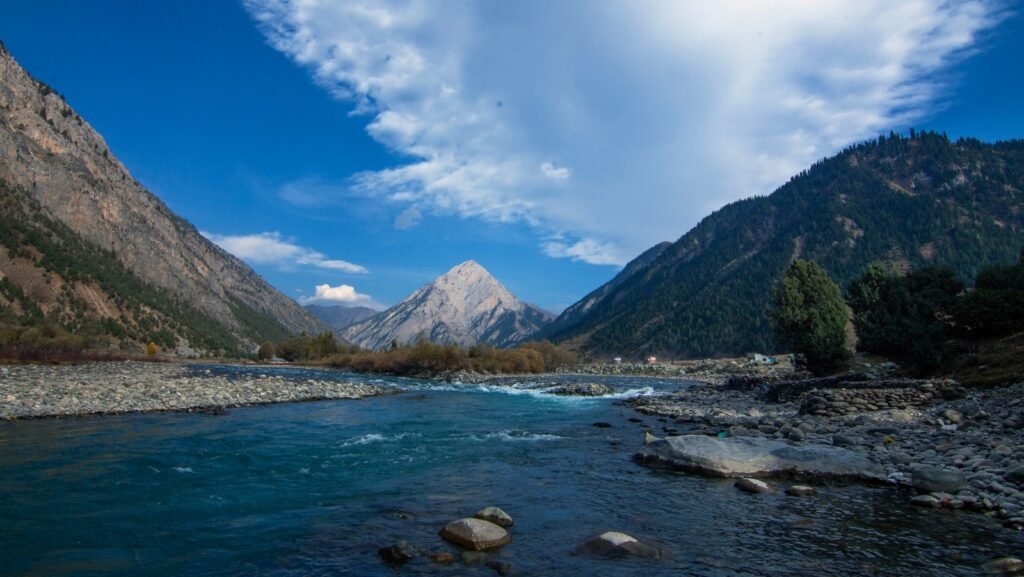
In J&K, the drastic changes in climate patterns are driven by a combination of global drivers and local amplifiers. Some issuesare:
Warming Temperatures and Reduced Snowfall
• We are observing higher average temperatures, especially in winter, which is leading to less snowfall and more rain events in traditionally snow-dominated months.
• This disrupts the cryosphere, affecting snowpack, glaciers, and downstream water availability for agriculture and hydropower.
• The phenomenon of “winter without snow” has become more common , this was widely reported and reflects a longer-term warming trend.
What is the Impact?
Notably, reduced snow cover means less groundwater recharge, altered river flows, and pressure on irrigation and drinking water systems. Communities that depend on winter snow for tourism, biodiversity and water supply get negatively affected.
Increased Frequency of Extreme Weather Events
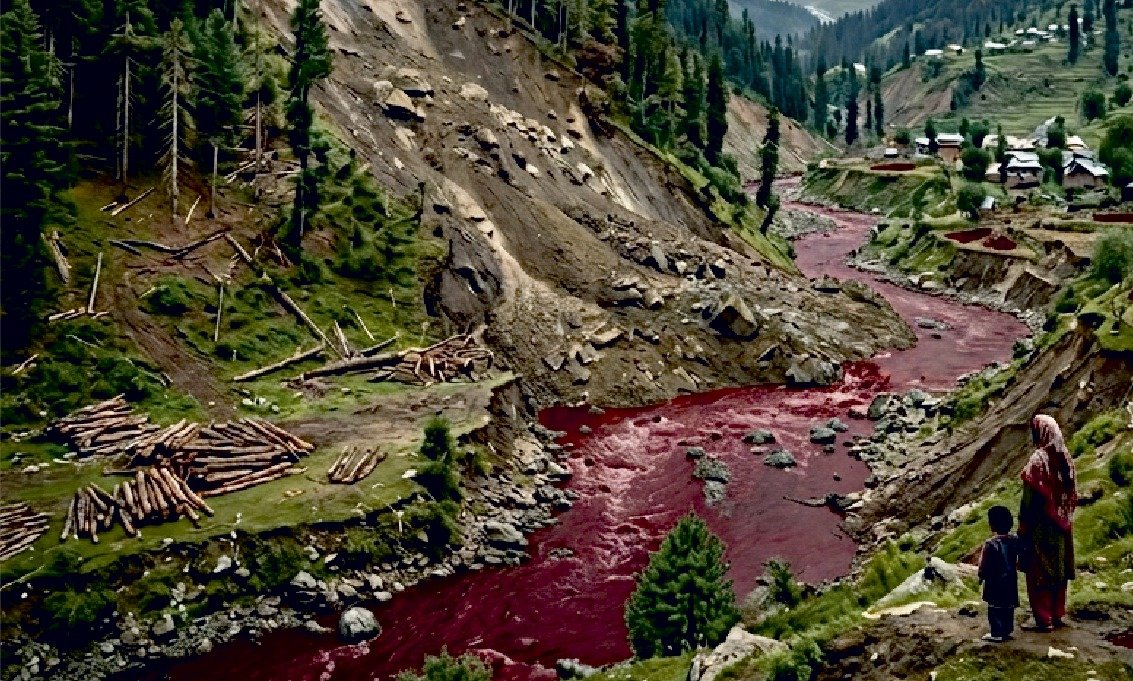
Events such as cloudbursts, intense rainfall, flash floods and landslides are becoming more frequent and unpredictable. The Ramban disasters and repeated cloudburst episodes across the Himalayan belts indicate a shift in climate dynamics that go beyond normal variability.
Its impact includes loss of lives, infrastructure damage; soil erosion, slope instability, displacement of communities and risk to hill highways, power lines, agriculture and forests.
Glacial Retreat and Himalayan Ice Changes
The Himalayan glaciers are a critical water source for J&K rivers which are retreating faster due to rising temperatures. Early melting of perennial ice bodies (like the Amarnath Ice Lingam) has been reported and analysed, showing a warming signal in high altitude regions.
The impact is long-term reductions in summer river flows; increased risk of glacial lake outburst floods (GLOFs); and stress on hydropower potential and ecosystems
Changing Hydrological Patterns
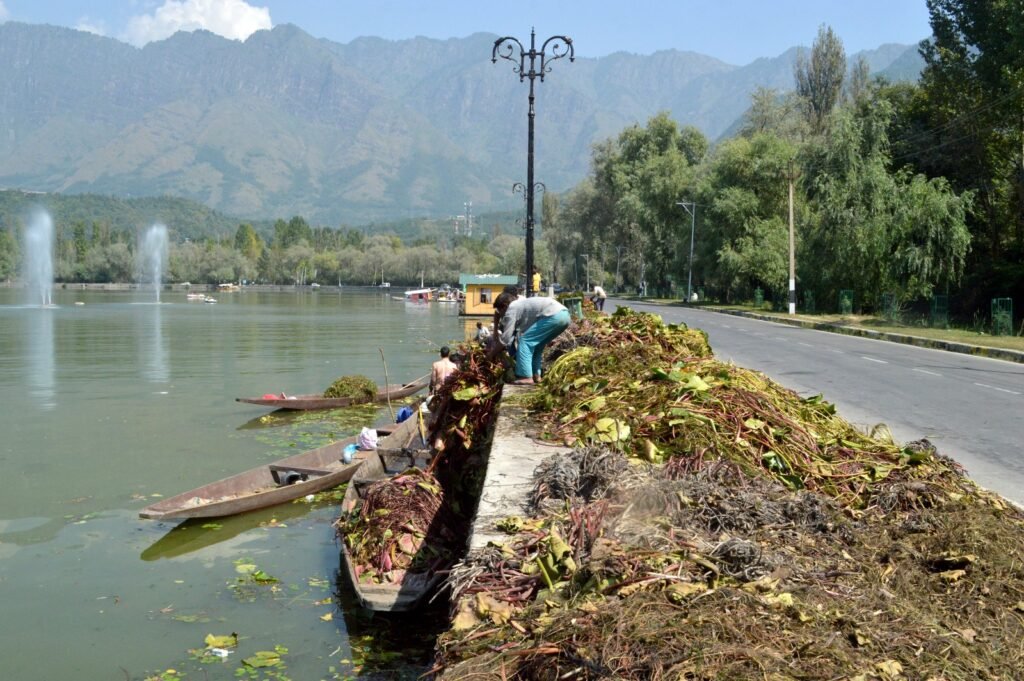
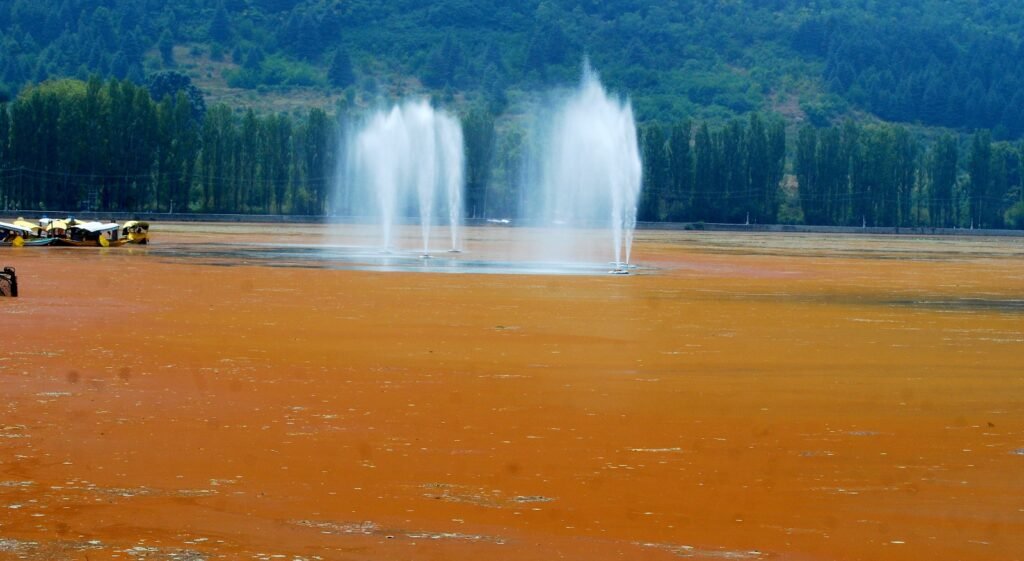
River flows now show higher peak variations and sudden surges after rain events and low flows in dry months. Lakes such as Dal and Wular are subjected to changing water quality and hydrology.
All this, as per the experts, resultsin nutrient loading and eutrophication; aquatic ecosystem distress; and challenges for water resource planning
Air Pollution Interactions with Climate Change
Air pollution (smog, particulate matter) interacts with climate systems, reducing solar radiation and affecting local temperatures.Sources include vehicle emissions, burning biomass and dust from construction and industrial activities.
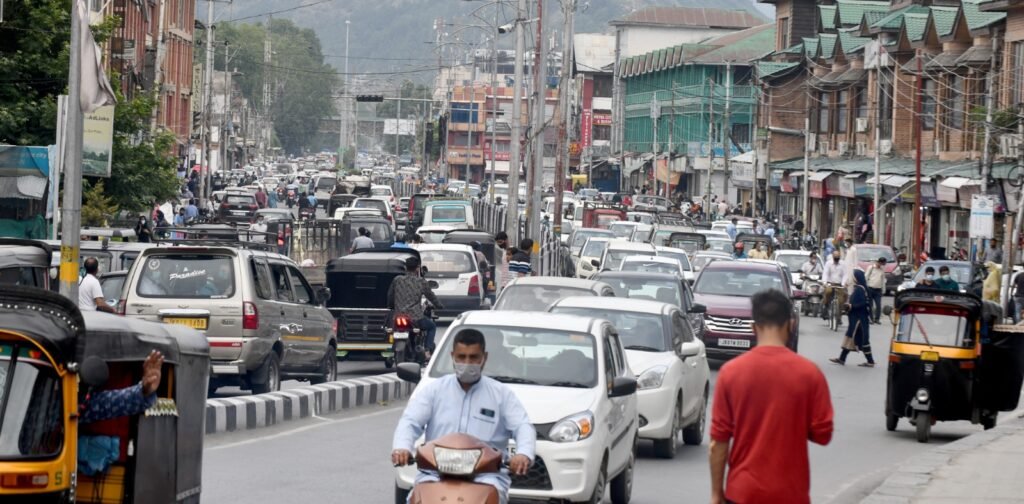
The impact of all this includes public health issues (respiratory illnesses); ecosystem stress; and urban heat effects
Loss of Biodiversity and Shifts in Phenology
Species that are adapted to certain temperature and precipitation regimes are showing range shifts, earlier flowering/fruiting times, and stress in sensitive habitats. Here mountain flora and fauna are particularly vulnerable.
This results in disruption of ecosystem services; and loss of culturally and economically important species.
What are the root causes triggering these changes?
Let’s first have a look at the global drivers of these changes. These driver include:
• Greenhouse gas emissions from fossil fuels
• Global warming affecting atmospheric and oceanic circulation
• Globally approx 1.2 degree rise till 2024
As far as local amplifiers are concerned, it includes deforestation and unplanned infrastructure development; unsustainable tourism and urban pressure on natural buffers and insufficient watershed management and land use planning.
What This Means for J&K?
Because of the fragile Himalayan ecosystem, even small changes in climate drivers are amplified with higher disaster risk, greater water insecurity, threats to agriculture and rural livelihoods and challenges in preserving unique biodiversity.
In J&K, climate change is not a future problem, it is happening now. We are seeing real consequences in reduced snowfall, unpredictable rainfall, frequent disasters, and ecosystem stress. Addressing this requires stronger governance, science-based planning, resilient infrastructure, and community-led adaptation which all should be integrated into development priorities, not treated as add-ons.