

Understanding Kashmir’s Environment and Its Growing Threats

Dr Touseef Ahmed
SPOC ESRAG Environmental
Sustainability Rotary Action Group
For centuries, Kashmir has been celebrated as a terrestrial paradise—a land of shimmering lakes, lush meadows, snow-capped peaks, and dense coniferous forests. The very identity of Kashmir is intertwined with its natural environment. However, this fragile ecosystem is under siege. A combination of climate change, unplanned urbanization, and resource mismanagement is pushing the region toward an ecological tipping point.
The Environmental Tapestry of Kashmir
The Kashmir Valley, nestled in the western Himalayas, hosts a remarkable diversity of ecosystems. The Dal and Wular lakes are not just scenic attractions but vital hydrological systems that control flooding and support aquatic life.
The surrounding forests—dominated by deodar, pine, fir, and birch—act as critical carbon sinks and watersheds. Furthermore, the region is a biodiversity hotspot, home to:
The Hangul (Kashmir Stag): A critically endangered species.
The Himalayan Black Bear.
The Elusive Snow Leopard.
This intricate balance of water, forest, and wildlife has sustained local agriculture, tourism, and traditional livelihoods for millennia.
Major Dangers Facing the Region
1. Climate Change and Glacial Retreat
Kashmir’s water security is tied to the health of its glaciers, particularly in the Chenab and Jhelum basins. Rising temperatures have accelerated glacial melt, leading to the formation of dangerous Glacial Lake Outburst Floods (GLOFs). Simultaneously, reduced winter snowfall over the past two decades has disrupted the hydrological cycle, causing water scarcity in spring—the peak season for rice cultivation and apple orchards.
2. Urbanization and Wetland Encroachment
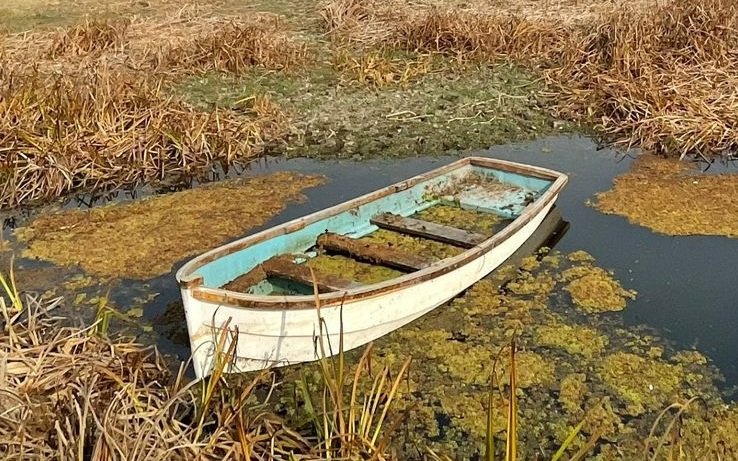
The heart of Srinagar’s tourism, Dal Lake, is choking. Encroachment, untreated sewage, and solid waste dumping have led to severe eutrophication—an overgrowth of algae that depletes oxygen. Similarly, lakes like Khushalsar and Gilsar have nearly disappeared due to landfilling for housing, blocking natural drainage channels and skyrocketing flood risks.
3. Deforestation and Land Degradation
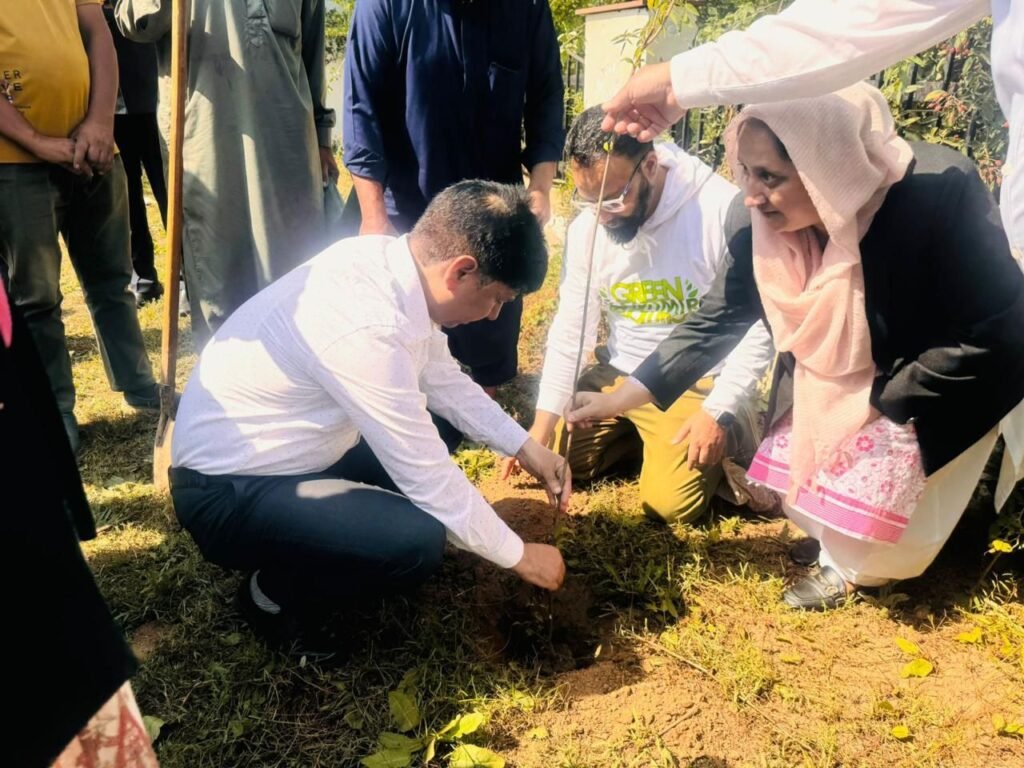
Forest cover is shrinking due to illegal logging and the conversion of forest land for agriculture. Deforestation increases soil erosion on steep slopes, leading to frequent landslides and the siltation of rivers. It also forces wildlife into human settlements, resulting in a rise in human-animal conflict.
4. The Waste Management Crisis
Kashmir generates over 1,500 metric tonnes of solid waste daily but lacks adequate treatment facilities. The Achan landfill site near Srinagar is a notorious hazard, leaching toxins into groundwater. In high-altitude meadows like Gulmarg and Sonamarg, non-biodegradable plastic waste from trekkers clogs waterways and harms livestock.
5. Loss of Biodiversity
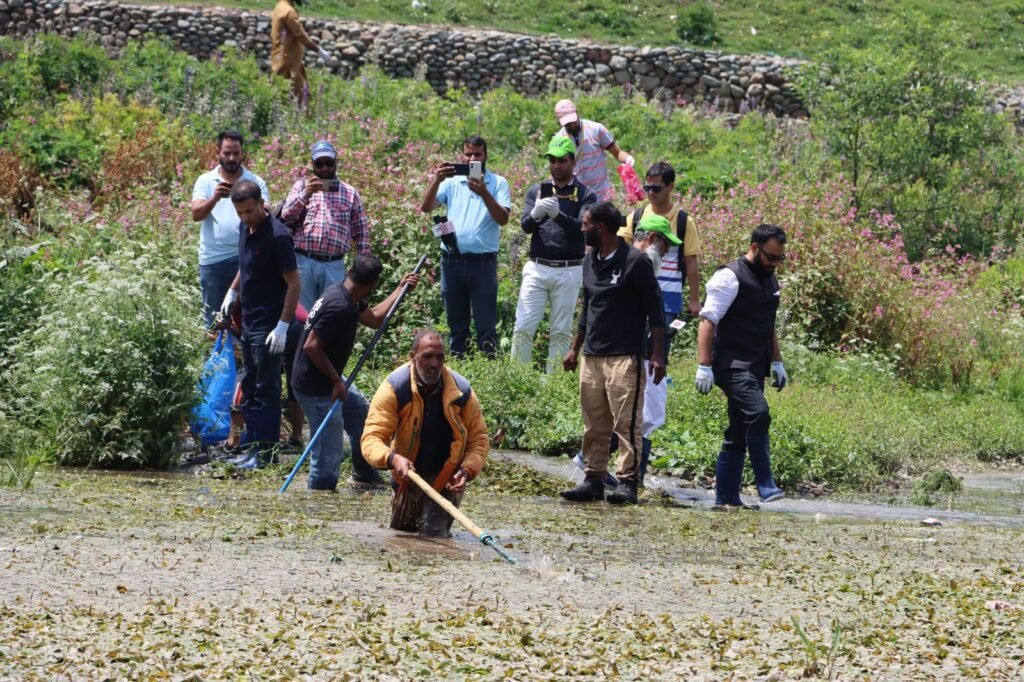
The Hangul population has dwindled to fewer than 200 individuals, confined largely to Dachigam National Park. Habitat fragmentation and competition from domestic livestock are the primary drivers. Additionally, invasive species like the common carp and water hyacinth are outcompeting native aquatic flora in the wetlands.
The Human Cost
These environmental dangers directly impact Kashmiri livelihoods:
Agriculture: Farmers face reduced yields due to erratic weather.
Fisheries: Fishermen on Wular Lake report diminishing catches.
Tourism: The industry risks collapse if the region loses its aesthetic and natural charm.
The Way Forward: A Strategy for Survival
Reversing the damage requires urgent, multi-pronged action:
Priority Area
Conservation Law
Climate Resilience
Waste Management
Eco-Tourism
Action Required
Strict enforcement of bans on wetland encroachment and illegal logging.
Investing in weather monitoring and drought-resistant crop varieties
Establishing decentralized composting and recycling units in every district
Charging environmental fees and training guides in sustainable practices.
Kashmir’s environment is not merely a backdrop to its culture; it is the foundation of its economy and survival. If left unchecked, this “paradise” will become a story of what was lost. The time to act is now, before the last lotus blooms in a lake of sewage.