


On paper, the theme of this year’s World Health Day—“Together for Health: Stand with Science”—sounds both timely and inspiring. It calls for unity, evidence-based action, and a collective commitment to improving global well-being. But on the ground, especially in regions like Kashmir, these ideal raises an uncomfortable question: Are we truly standing with science, or merely invoking it when convenient?
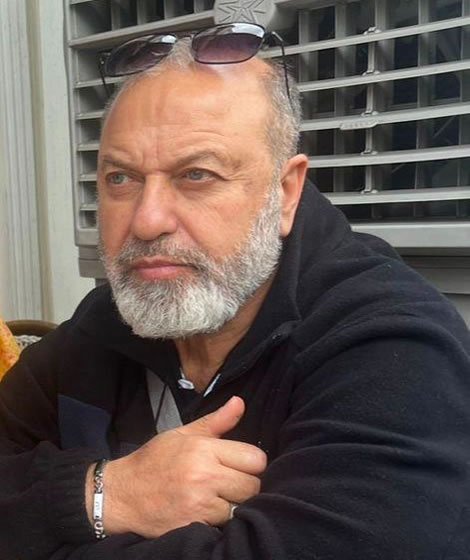
Dr. Fiaz Maqbool Fazili
A routine day in one of our major hospitals offers a telling glimpse. Overcrowded corridors, anxious families moving from one department to another, repeated investigations, unclear communication, and overburdened staff trying to manage more than the system was ever designed to handle. In such an environment, science exists—but it does not lead. Instead, it competes with confusion, constraints, and, at times, commercial considerations.
The problem is not the absence of medical knowledge. Kashmir today has qualified professionals, access to modern diagnostics, and increasing exposure to global standards of care. The real crisis lies elsewhere—in the fragile architecture that is supposed to translate scientific knowledge into consistent, ethical, and accessible healthcare.
To “stand with science” is not simply to possess it. It is to apply it systematically, regulate it fairly, and protect it from distortion.
When science ispresent but not practiced? Acrosshealthcare settings, one can observe a growing disconnect between what science recommends and what is actually practiced. Unnecessary investigations, defensive medicine, irrational prescriptions, and inconsistent treatment pathways are not isolated concerns—they are becoming patterns. This is not merely a clinical issue; it is a systemic one.
In the absence of strong regulatory oversight and standardised protocols, individual discretion often replaces institutional discipline. Science becomes selective—applied rigorously in some cases, loosely in others. For patients, this translates into rising costs, confusion, and, most critically, a gradual erosion of trust.
Trust, once lost, is not easily restored. And without trust, even the most advanced scientific systems struggle to function effectively.
Fragmentation: The Silent Barrier to “Togetherness”
The World Health Day theme emphasises togetherness. Yet, one of the most defining features of our healthcare landscape is fragmentation.
In Kashmir, as in many parts of the world, the challenge is not a lack of science. It is the absence of structures that allow science to function as intended—consistently, equitably, and ethically.”
Public hospitals, private institutions, charitable organisations, and government programmes often operate in silos. There is minimal coordination, weak referral linkages, and almost no shared data systems. Patients are left to navigate this fragmented ecosystem on their own, often repeating tests, restarting consultations, and bearing unnecessary financial and emotional burdens.
Even within the philanthropic space, where goodwill is abundant, efforts remain scattered. Numerous organisations provide financial aid, medical camps, and support services—but without a unified framework, their impact remains limited and uneven.
“Together” cannot remain a rhetorical aspiration. It must be built into the very design of the system—through coordination platforms, shared databases, and clearly defined roles.
The Ethical Crossroads of Modern Healthcare:Perhaps the most troubling shift is not structural but moral.Medicine, once regarded as a noble and service-driven profession, is increasingly being perceived through the lens of commerce. The rise of high-cost corporate healthcare, coupled with reports of overcharging and unnecessary interventions, has contributed to a growing public perception that profit may, at times, be overshadowing patient welfare.
This perception—whether entirely accurate or not—has real consequences. It fuels suspicion, encourages confrontation, and weakens the doctor-patient relationship.
Science, in its purest form, is objective and impartial. But when it is filtered through commercial pressures, it risks being used as a justification rather than a guide.
To stand with science, therefore, also means to stand with ethics—to ensure that clinical decisions are guided by patient need, not financial incentives.
Institutionalising charitable healthcare—through transparent systems, needs assessment, and outcome tracking—can significantly enhance its effectiveness. In doing so, we do not diminish the spirit of giving; we strengthen it.
Mental Health: Science Without Reach and Stitch.Nowhere is the gap between knowledge and implementation more evident than in mental health.
Decades of global research have deepened our understanding of trauma, stress, and psychological resilience—issues particularly relevant to conflict-affected regions like Kashmir. Yet, mental health services remain underdeveloped, underfunded, and socially stigmatised.
Primary healthcare systems are not adequately equipped to identify or manage common mental health conditions. Specialist services are limited, and community-based interventions are scarce. As a result, a large segment of the population continues to suffer in silence.Here, the failure is not of science but of delivery.Standing with science means ensuring that its benefits reach the most vulnerable—not just in theory, but in practice.
From Charity to Evidence-Based Compassion
Kashmir is not lacking in compassion. Faith-driven giving—through zakat, sadaqah, and other forms of charity—remains deeply embedded in society. Every year, significant resources are mobilised to support the needy, including those requiring medical care.
Kashmir today has qualified professionals, access to modern diagnostics, and increasing exposure to global standards of care. The real crisis lies elsewhere—in the fragile architecture that is supposed to translate scientific knowledge into consistent, ethical, and accessible healthcare.
However, much of this giving remains informal, uncoordinated, and undocumented.Without data, it is difficult to assess impact. Without coordination, duplication and gaps coexist. Some patients receive multiple layers of support, while others remain entirely excluded.
Compassion, while essential, must be guided by evidence. Institutionalising charitable healthcare—through transparent systems, needs assessment, and outcome tracking—can significantly enhance its effectiveness. In doing so, we do not diminish the spirit of giving; we strengthen it.
Rebuilding Trust: The Way Forward
If the goal is to truly “stand with science,” then the path forward must go beyond slogans and symbolic observances.
First, there is an urgent need for system integration. A coordinated healthcare network—linking public, private, and charitable sectors—can reduce fragmentation and improve efficiency.
Second, data must become central to decision-making. Health information systems, disease registries, and outcome tracking mechanisms are not luxuries; they are foundational to modern healthcare.
Third, regulation and accountability must be strengthened. Clear guidelines, transparent audits, and responsive grievance mechanisms can help restore public confidence.
Fourth, the ethical core of medicine must be revived. This requires not only policy interventions but also a cultural shift—within institutions, among professionals, and across society.
Finally, community engagement is essential. Public awareness, health literacy, and patient participation can bridge the gap between systems and the people they serve.
Public hospitals, private institutions, charitable organisations, and government programmes often operate in silos. There is minimal coordination, weak referral linkages, and almost no shared data systems.
Major Pick and Choose : Beyond the Slogan
“Together for Health: Stand with Science” is more than a theme—it is a test. A test of whether we are willing to align our systems with our knowledge, our practices with our principles, and our intentions with measurable outcomes.
In Kashmir, as in many parts of the world, the challenge is not a lack of science. It is the absence of structures that allow science to function as intended—consistently, equitably, and ethically.
Standing with science is not a one-day commitment. It is a continuous process of building systems, enforcing standards, and nurturing trust.
Only then can “together” move from aspiration to reality.
(Dr. Fiaz Maqbool Fazili is a healthcare policy analyst and a concerned citizen who actively contributes to the discourse on healthcare improvement, advocating for evidence-based policies, ethical practice, and sustainable reforms aimed at strengthening healthcare systems and ensuring equitable access for all.)