

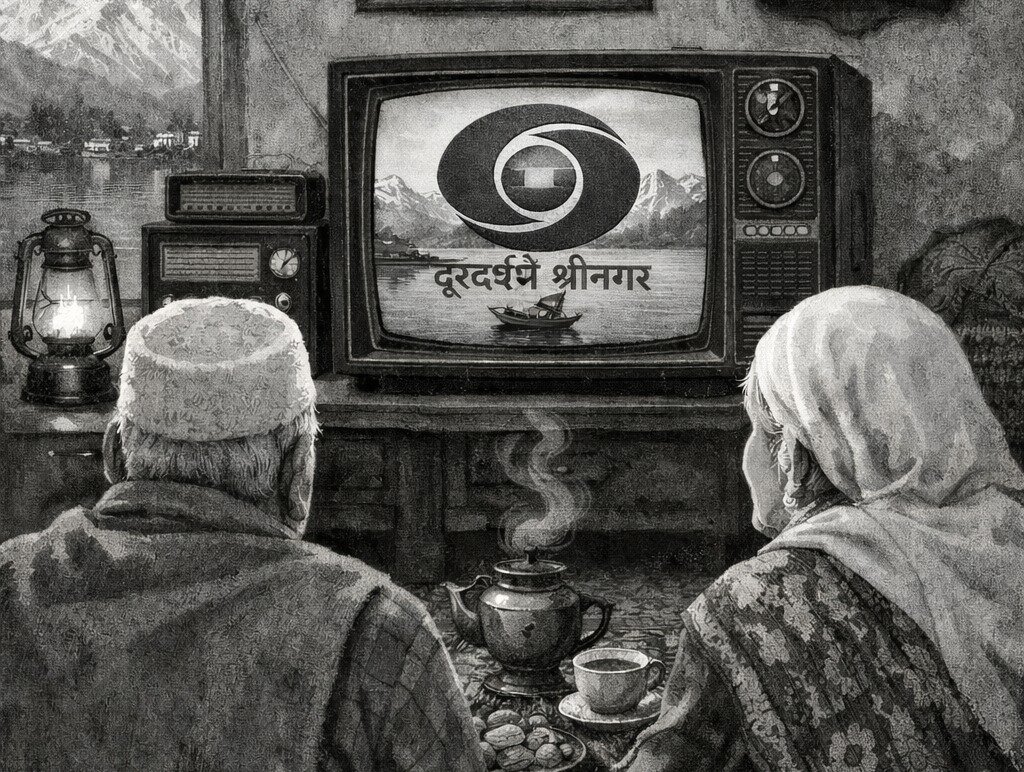
“Yeh Doordarshan Srinagar hai…”
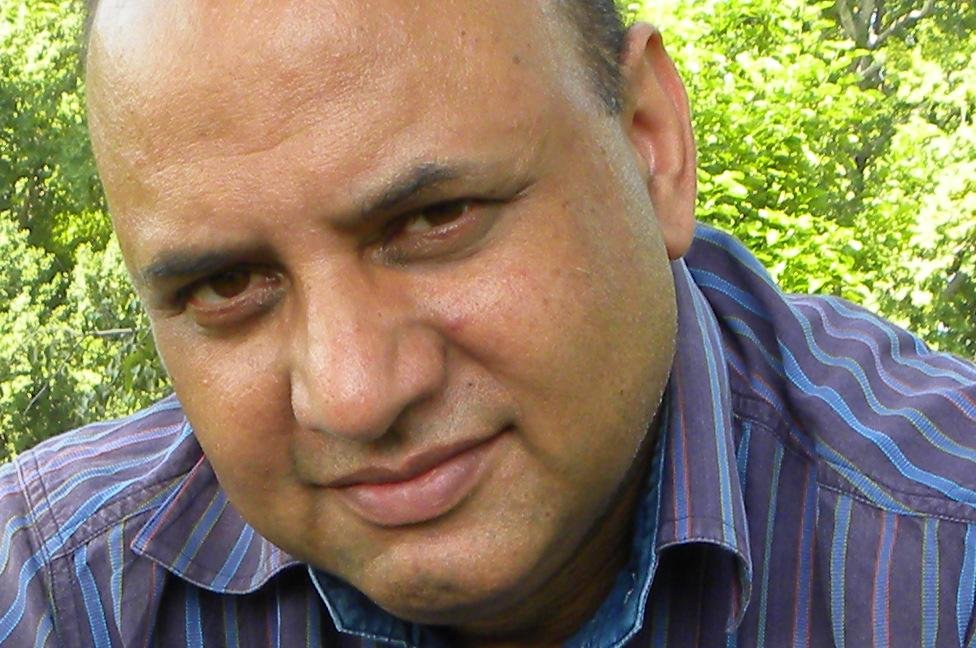
Zahoor Zahid
There was a time when Sunday felt like a small festival. All week long we carried its promise quietly in our hearts; the promise of a feature film on Doordarshan. In those days televisions were rare treasures, glowing in only a few homes across the neighborhood. And so, when Sunday approached, the entire mohalla seemed to move with the same anticipation.
By afternoon, children would begin to gather outside the fortunate house that owned a television. Some arrived early, much too early, just to claim the best spot on the floor. Some sat cross-legged, some leaned against walls, others peeped through half-open doors or windows. The room would slowly fill with whispers, laughter, and the rustle of excitement.
The wait before the transmission began felt endless, and then, suddenly, the screen would come alive. First appeared the familiar Doordarshan emblem, turning slowly with that haunting, almost magical music that seemed to echo through the room and into our memories forever. Conversation stopped instantly. Eyes widened. The moment had arrived. Soon after, the graceful announcers appeared on the screen; calm, composed, and dignified.
“Yeh Doordarshan Srinagar hai… Bandh ek, Channel chaar par.”
Their voices carried a certain warmth, a certain elegance. Faces like Naseem Khan and Gulrez Quraishi became unforgettable to us. With their immaculate accents, perfect pronunciation, and gentle poise, they seemed larger than life. To our young eyes they were more charming, more handsome, and more captivating than the film stars we were waiting to watch.
And in that crowded room, sitting shoulder to shoulder with neighbors and friends, the film would begin. The television flickered softly in the dim light, but the joy it brought was bright and boundless. Those Sundays were not just about watching a movie. They were about togetherness, about shared wonder, about a time when a single screen could bring an entire neighborhood closer. And even today, somewhere deep within memory, that haunting Doordarshan music still plays; carrying us gently back to those beautiful, innocent Sundays of childhood.
Talking about history of Doordarshan Kendra Srinagar holds the distinction of being the third Doordarshan Kendra in India, established after Delhi and Mumbai. It was officially commissioned on 26 January 1973. The foundation stone of the complex was laid earlier on 9 May 1970 by Shri I. K. Gujral, who was then the Minister of State for Information and Broadcasting.
The story of Doordarshan Srinagar was not merely about television; it was also shaped by the winds of politics and geography. In those years, powerful booster transmitters from across the border carried the broadcasts of the Pakistan Television network (PTV) deep into the valleys of Jammu and Kashmir. Their signals travelled easily over mountains and rivers, reaching homes and influencing minds. In response, the establishment of Doordarshan Srinagar became more than a broadcasting decision; it was a quiet assertion of presence, a voice meant to echo through the valley with its own stories, language, and identity.
For many of us, however, the station soon became something far more personal. By then I had already begun participating in programmes on Radio Kashmir, and the world of broadcasting had started to feel familiar, almost like a second home. So, when Doordarshan Srinagar began expanding its programming, I found myself gradually drawn into it in early eighties.
My association grew through the sports programmes, which in those days enjoyed remarkable popularity. Sports had a way of bringing people together just as powerfully as films did. Viewers across the valley waited eagerly for those broadcasts, discussions, reports, and commentaries that carried the energy of stadiums and playgrounds into living rooms.
For me, stepping into the studios of Doordarshan was a different kind of excitement. The cameras, the bright lights, the quiet signals from producers, and the disciplined rhythm of television production created an atmosphere both intense and magical. I felt a quiet pride, knowing that I too had become a small part of that voice which travelled across the valley, reaching homes just as it once reached mine.
Behind the rise of Doordarshan Srinagar, there stood a few towering personalities whose intellect and dedication gave the institution its soul. Among them, one name shone with a rare brilliance – Late Farooq Nazki.
Farooq Nazki was not merely a broadcaster or an administrator; he was a phenomenon. A man of wit, of genius, and of immense intellectual depth. His words carried weight, his ideas travelled far, and his presence alone could command a room. He possessed a remarkable gift, the ability to communicate with clarity and grace, whether through conversation, literature, or the quiet poetry of thought.
At heart, he was a fascinating poet, a thinker whose mind moved effortlessly between languages and cultures. His command over languages was extraordinary, and each language seemed to obey him with equal elegance. Whether speaking, writing, or reflecting, his expression carried a rare refinement that inspired an entire generation.
It was almost impossible to find him alone. Around him was always a circle of admirers; young broadcasters, writers, and colleagues – drawn by the magnetism of his intellect. They listened, observed, and absorbed every word, captivated by the mesmerizing depth of his thoughts. For many, simply being in his company felt like attending a living university.
Then came one of the darkest moments in the history of broadcasting in the valley; the tragic assassination of Lassa Koul, a loss that shook the entire media fraternity. It was a time of grief, uncertainty, and immense pressure. In those troubled days, when fear and instability hung heavy in the air, the responsibility of leading both Radio and Television in Kashmir was entrusted to Farooq Nazki.
It was a task that demanded courage, wisdom, and extraordinary resilience. And if anyone could shoulder such a burden in those hostile and fragile circumstances, it was him. With calm determination and quiet strength, he guided the institutions through one of their most difficult chapters – ensuring that the voice of broadcasting in the valley did not fall silent.
In many ways, Farooq Nazki was more than a leader. He was a mentor, a guardian of ideas, and a beacon of intellectual grace in turbulent times. Those who knew him still remember not just his achievements, but the rare brilliance of the mind behind them, a mind that illuminated every room he entered.
Another personality who will forever occupy a special and cherished place in my memory is Bashir Budgami – a man of rare intellect, quiet grace, and remarkable creative vision.
Budgami Sahib belonged to that very small league of thinkers who possessed the extraordinary ability to translate ideas into powerful visual expression. His mind moved effortlessly between literature, culture, and the language of the camera. Deeply rooted in the traditions of Persian and Kashmiri literature, he carried within him a profound understanding of the cultural soul of the valley.
It was this instinctive understanding that led him to create the first feature film for Indian television, “Habba Khatoon.” What makes this achievement even more remarkable is that it was produced at a time when resources were almost nonexistent. Where others might have hesitated, Bashir Budgami relied on nothing but his instinct, his scholarship, and his deep love for Kashmiri culture. Alas, this masterpiece was eventually consumed by fire, a tragic end that spoke volumes of utter negligence. What once stood as a proud symbol of creativity and dedication was reduced to ashes, leaving behind only memories of its brilliance and the quiet sorrow of what was lost.
Bashir Budgami had a rare sensitivity to the moral and social climate around him. The growing monotony of corruption and the slow erosion of values troubled him deeply. But instead of merely lamenting these changes, he chose to respond through his art.
The result was the unforgettable television serial “Ahad Raza.” In my view, “Ahad Raza” did something extraordinary; it shook the collective conscience of society and awakened many from a deep slumber. It spoke with courage, wit, and clarity about the realities people lived with but seldom confronted.
The story of Doordarshan Srinagar was not merely about television; it was also shaped by the winds of politics and geography. In those years, powerful booster transmitters from across the border carried the broadcasts of the Pakistan Television network (PTV) deep into the valleys of Jammu and Kashmir. Their signals travelled easily over mountains and rivers, reaching homes and influencing minds.
One is reminded of the celebrated political satire “Yes Minister” produced by the BBC. Yet the comparison only highlights Budgami’s brilliance even more. While the BBC worked with vast resources and technical sophistication, Bashir Budgami created “Ahad Raza” with almost nothing; what one might call mere peanuts in production terms.
And still, the impact of his work was profound. That was the true measure of Bashir Budgami: a creator whose strength did not lie in budgets or equipment, but in the depth of his intellect, the courage of his vision, and his unwavering commitment to truth and culture.
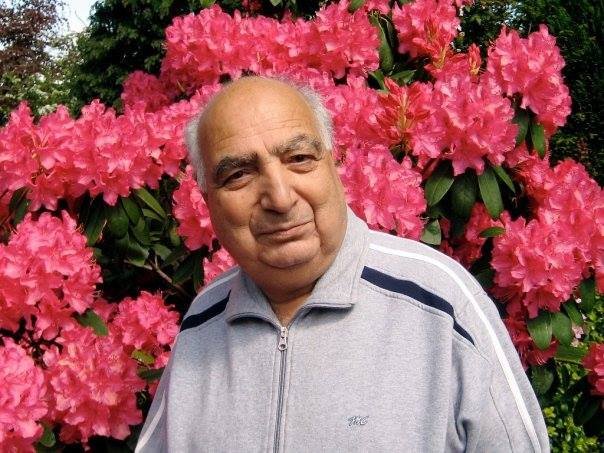
The darkest moments in the history of broadcasting in the valley was the tragic assassination of Lassa Koul, a loss that shook the entire media fraternity. It was a time of grief, uncertainty, and immense pressure. In those troubled days, when fear and instability hung heavy in the air, the responsibility of leading both Radio and Television in Kashmir was entrusted to Farooq Nazki.
Among the many personalities who inspired my journey in Doordarshan, was Shabir Mujahid, a man whose quiet brilliance and creative energy left an indelible mark on all who worked with him. Shabir sahab was the youngest sports producer at Doordarshan, yet his vision and dedication took him to some of the world’s greatest sporting events. Focused, imaginative, and deeply committed to his craft, he became not only a colleague but a mentor and guiding force for many of us in television production.
He also produced Doordarshan’s first colour serial, “Imandaar” written by Bashir Dada, a serial that captured the imagination of our generation and continues to evoke nostalgia even today. For many years, he and Bashir Qadri together created a series of iconic sports programmes that enriched the broadcasting landscape.
Talking about history of Doordarshan Kendra Srinagar holds the distinction of being the third Doordarshan Kendra in India, established after Delhi and Mumbai. It was officially commissioned on 26 January 1973. The foundation stone of the complex was laid earlier on 9 May 1970 by Shri I. K. Gujral, who was then the Minister of State for Information and Broadcasting.
One memory, however, stands apart. After the assassination of Lassa Koul, the transmission of DDK came to a halt. The station fell silent, and fear hung heavily in the air. The threat from militants was such that no one dared to step inside the premises. In those uneasy days, I received a message from Shabir sahab asking me to meet him in his office. I used to come to Radio for duty almost every day. I came to see him in his office; it was the first time I noticed a trace of tension on his otherwise composed face. There is a lot of pressure to start some activity in the station as no fresh programme is aired. Without much preamble, he asked if I would take up the responsibility of hosting the sports programme. I hesitated. The risks were obvious, and the consequences uncertain. Yet my respect for him and the trust he placed in me left little room for refusal. I said yes.
The DDK library held a rich collection of sports films, and from that archive we began crafting a programme. Slowly, programme by programme, it found its way to the screen; fresh, thoughtful, and free from criticism. For nearly six months I continued hosting it, for no remuneration but for the commitment we shared.
Later, my closest friend Roshan Khayal joined the effort, and he continues that journey even today. Roshan is among the finest hosts and comperes I have known. He approaches every programme with diligence, researching deeply, writing carefully, and presenting with grace. Though he is a highly successful lawyer by profession, his heart still finds joy in the creative world of radio and television.
Watching him work, I often find myself quietly envious, of his patience, his discipline, and the effortless professionalism with which he continues to keep that passion alive.
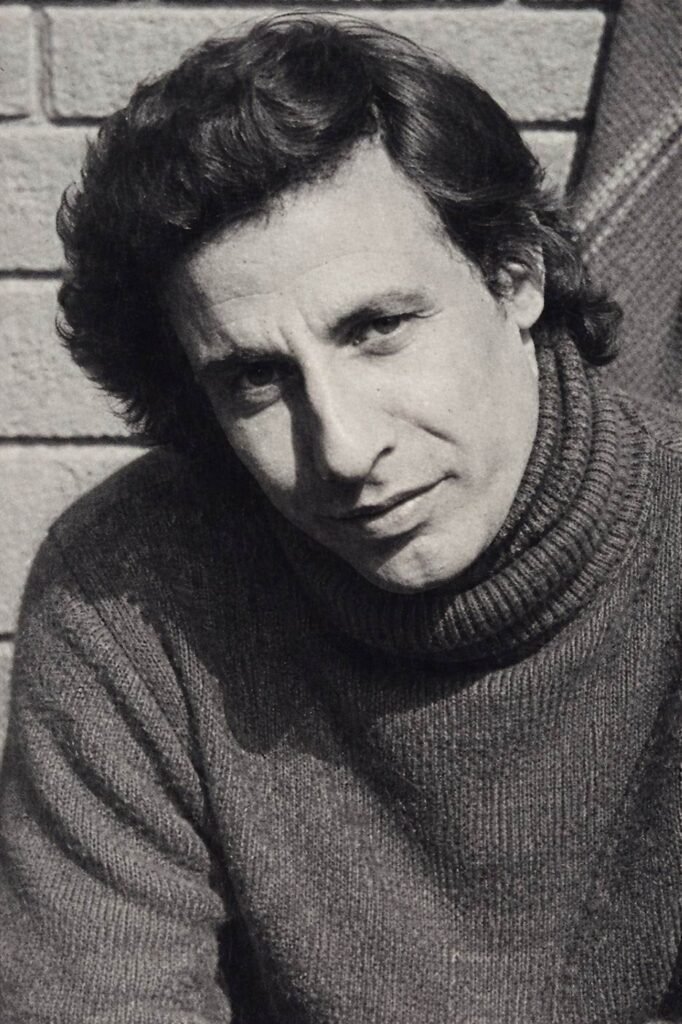
The story, however, does not end here. There are countless anecdotes still waiting to be told; moments and memories that, in their own quiet ways, shaped the broadcasting landscape of this part of the world. Each carries a fragment of history, a glimpse into the challenges, courage, and creativity that defined those times.
Today, I have merely shared my deep respect and admiration for a few remarkable personalities who, in my mind, left an enduring imprint on the media scene. Their dedication, vision, and resilience not only inspired many of us but also helped shape the character of broadcasting in our region. Their legacy continues to echo in the work and memories of those who were fortunate enough to witness it.