

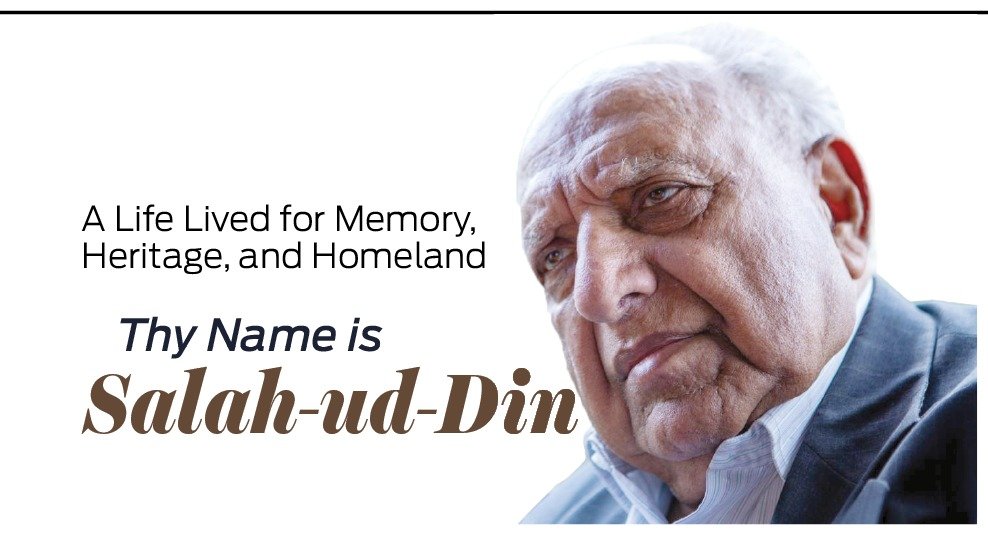
Thy Name is Salah-ud-Din
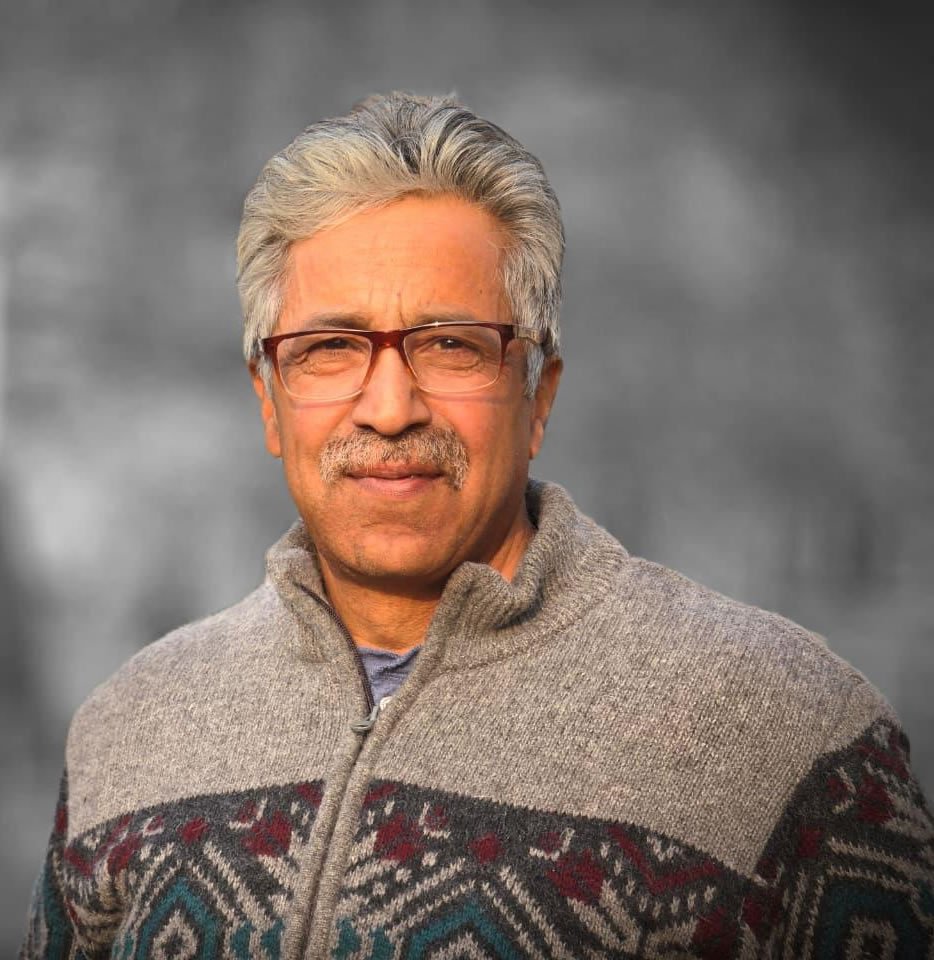
Sajjad Bazaz
As an avid radio listener at a very young age, I still remember the first time I heard a voice that seemed to carry a rare kind of magic. It was eloquent, fluent, and deeply captivating; every word was delivered with remarkable clarity and grace. The programme was being aired on Voice of America (VoA), and the man behind the microphone was a journalist and broadcaster of exceptional caliber. His mastery over language, his beautiful accent, and his impeccable pronunciation made him stand out among his contemporaries. At the time, I had little idea that this powerful voice belonged to a son of my own motherland, Kashmir.
The broadcaster was none other than Salah-ud-Din Ahmad, a native of Kashmir who later settled in the United States.
Listening to him was not merely about hearing the news, it was an experience that left a lasting impression on every attentive listener. Perhaps it was during those moments that I decided to pursue my career in journalism. Ironically, in this part of the world, people often do not find jobs in the fields they study. Yet I consider myself fortunate that during my service tenure at J&K Bank, I headed the Corporate Communications department, a role that kept me closely connected with journalism and the media. It was during the recording of our weekly programme“JK Bank Dairy” which I produced for 19 long years for the bank that my dear friend Zahoor Zahid disclosed that Salah-ud-Din Ahmad is his paternal uncle and stays with him only when he visits Kashmir. Here it merits a mention that “JK Bank Diary” is a weekly Radio programme broadcast from three stations of All India Radio – Srinagar, Jammu and Leh stations.
I was so overwhelmed on hearing this that I immediately requested a meeting with him whenever he happened to be in Kashmir. Since Zahoor and I met almost every week for recording the “JK Bank Dairy” programme which he was coordinating from the radio side, I would often ask him about the legendary broadcaster. When he told me that Salah-ud-Din Ahmad was visiting Kashmir once again, I gently reminded him about my wish to meet him.
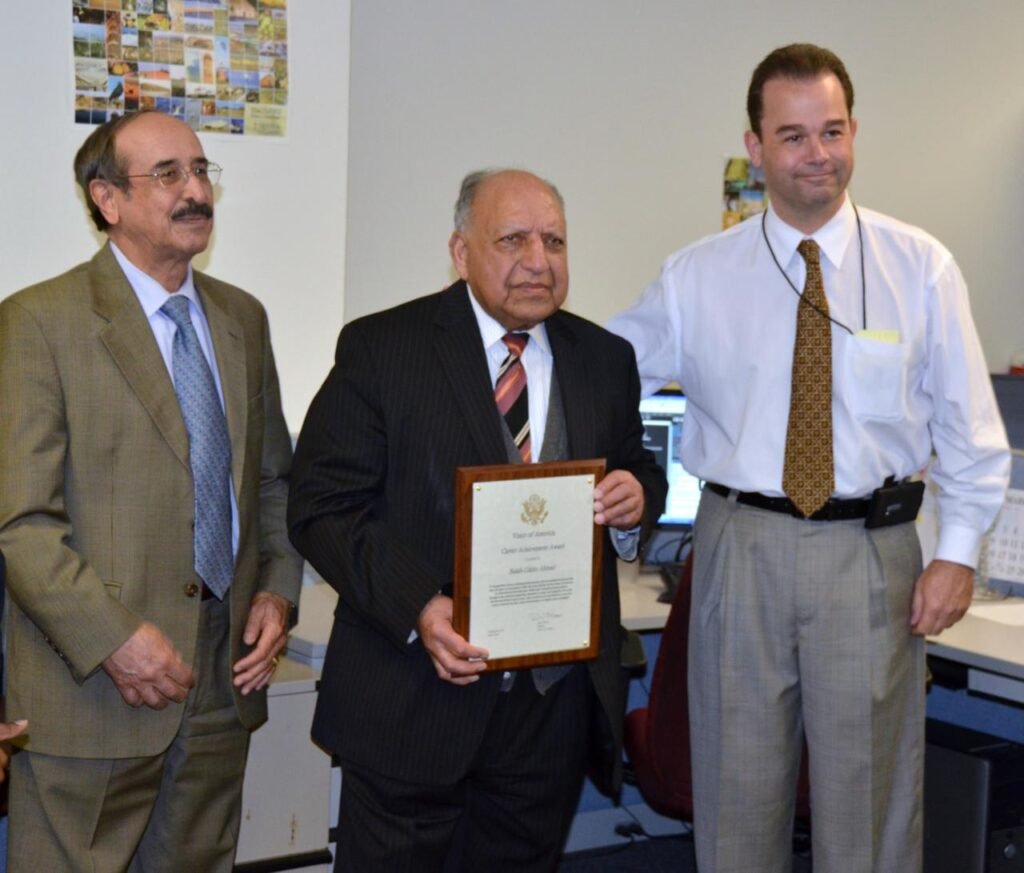
About a week later, Zahoor invited me to join him for lunch with Salah-ud-Din Ahmad at a restaurant where he usually dined. I was eagerly looking forward to the meeting, for I was finally going to meet a man I had admired and hero-worshipped for a long time.
Finally, the moment arrived. Zahoor called me, and I reached the restaurant where they were already seated. I was introduced to him, and he warmly shook my hand with a characteristic smile. He had a very imposing personality; sharp eyes and a voice whose tone was extremely pleasing to the ears. Immaculately dressed, he looked far younger than his age, which was around eighty-six. I soon noticed that he was a very serious person who spoke only when necessary. He asked me about my job profile, and I told him about my weekly socio-political and financial columns and my responsibilities in handling publicity, media relations, public relations, and internal communications at the J&K Bank. From his expression, I could sense that he was impressed. Meanwhile, the soup arrived. While we were enjoying the soup, I asked him why he had chosen to move out when all his friends and colleagues had very successful careers, given his competence and ability he could have excelled in any career here in Kashmir.
There was a long pause. His expression changed; perhaps I had touched a very sensitive nerve. The silence stretched so long that I thought he did not like what I had asked. Then he painfully recounted:
“I had long cherished a dream to fly, and I qualified to join the Indian Air Force. It was before the partition. I was given a choice to join either at Lahore or New Delhi, but my father, without asking me, opted for Lahore. Just when the partition happened, I was asked to report to Lahore. I left for Lahore, but there was so much killing and arson happening on both sides of the border. I was stuck in Delhi for almost two months. Then I finally got a flight to Lahore, where I was told that the offer of joining Indian Air Force was no longer valid. It broke my heart; my dreams came tumbling down. Although I could have returned, I chose to stay back. At first, I was angry with my father, but later I realized that perhaps this was destiny.”
Meanwhile the waiter bought the lunch, it was quite elaborate as Salah-ud-Din Sahab had ordered Chinese and continental food while we preferred more desi type of food. I found he atevery less but Zahoor told me whatever he eats has to be tasty. I asked him does he miss Wazwaan, he told me that his wife was wonderful cook, and she cooked every Kashmiri dish. He was not impressed with the Wazwaan he had been served; he said the quality and the taste has deteriorated.
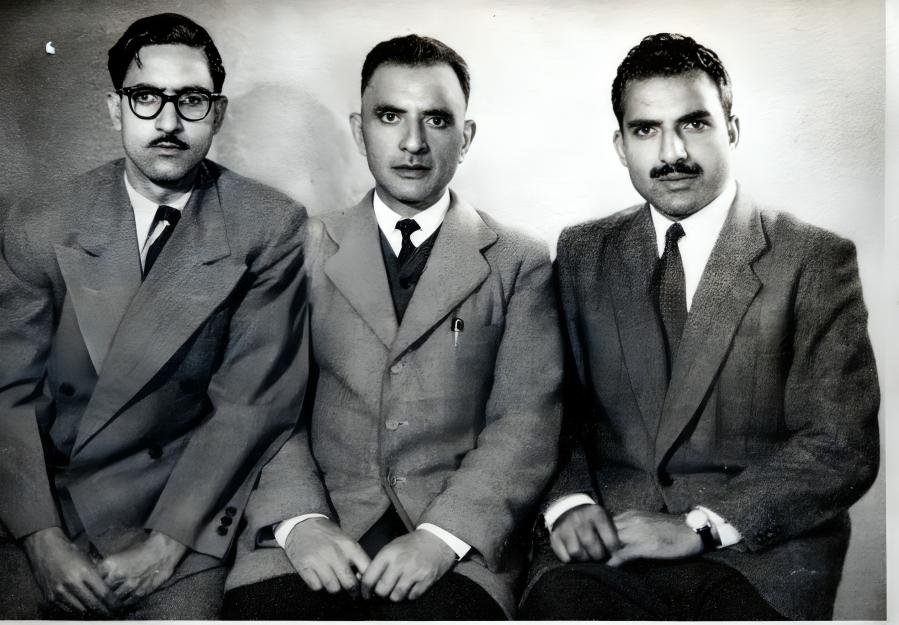
While enjoying the food, I asked him about his journey afterwards. He said he had served in the Excise Department in Lahore for two years before moving to Karachi to pursue his master’s degree. He initially worked as a reporter for an English daily and later applied for the post of sub-editor at Radio Pakistan, Karachi, where he was selected. “I usually attended the office in the morning and evening shifts, which gave me enough time to go to the university,” he said.
I had heard that Ibn-e-Insha, one of the most loved Urdu poets and humorists of the subcontinent, and Zia Mohyeddin, a celebrated actor, broadcaster, and mentor known for his rich voice and remarkable command of language, were his colleagues at Radio Pakistan. So, I asked him about his early days at Radio Pakistan and his journey thereafter.
He smiled, perhaps remembering those early days in Karachi. He narrated:
“Yes, we were very good friends. Ibn-e-Insha had also completed his master’s degree during that period. We used to go to Karachi University together. I have very profound memories of those days. I decided to settle down in Karachi and eventually got married there. Life went on, and my career progressed steadily. I moved to Islamabad with my family, and eventually became the Controller of News at Radio Pakistan.”
He has travelled with many presidents and prime ministers of Pakistan on official visits to several foreign countries as a special correspondent of Radio Pakistan. He also accompanied General Muhammad Ayub Khan to Moscow. I asked him to describe Ayub Khan?
He said: “In my view, Ayub Khan played a decisive role in establishing military dictatorship in Pakistan. As the commander-in-chief who seized power in 1958 Pakistani coup d’état, he effectively interrupted the country’s fragile democratic process. He projected himself as a strong and pragmatic leader, but many critics believe that his rule centralized power in the military and weakened democratic institutions.” He further stated that during the Cold War, his government maintained a close strategic alignment with the United States, and Pakistan joined Western-backed alliances such as SEATO and CENTO. Supporters argue that this policy brought economic and military assistance to Pakistan, while critics contend that it made the country overly dependent on American interests.
He said Ayub Khan also introduced the basic democracies system, which he claimed would create a controlled form of grassroots democracy. However, many political observers argued that it concentrated authority in the presidency and limited genuine parliamentary politics. Over time, growing political opposition, economic disparities, and public protests weakened his government, eventually forcing him to step down in 1969.
Meanwhile, I asked about his opinion about Zulfikar Ali Bhutto as he had accompanied him to the United States during one of his official visits in 1975.
Describing him as a charismatic leader, Salah-ud-Din Sahib said: “Bhutto was undoubtedly a brilliant and charismatic political figure. He possessed remarkable intelligence, eloquence, and the ability to captivate large audiences. At the same time, he was a complex personality who combined both admirable qualities and serious flaws. His political acumen and vision helped him rise rapidly in Pakistani politics, and he played a central role in shaping the country’s foreign policy and political discourse during the late 1960s and early 1970s. However, his critics often point to his ambition and strong sense of authority, which sometimes appeared as arrogance.
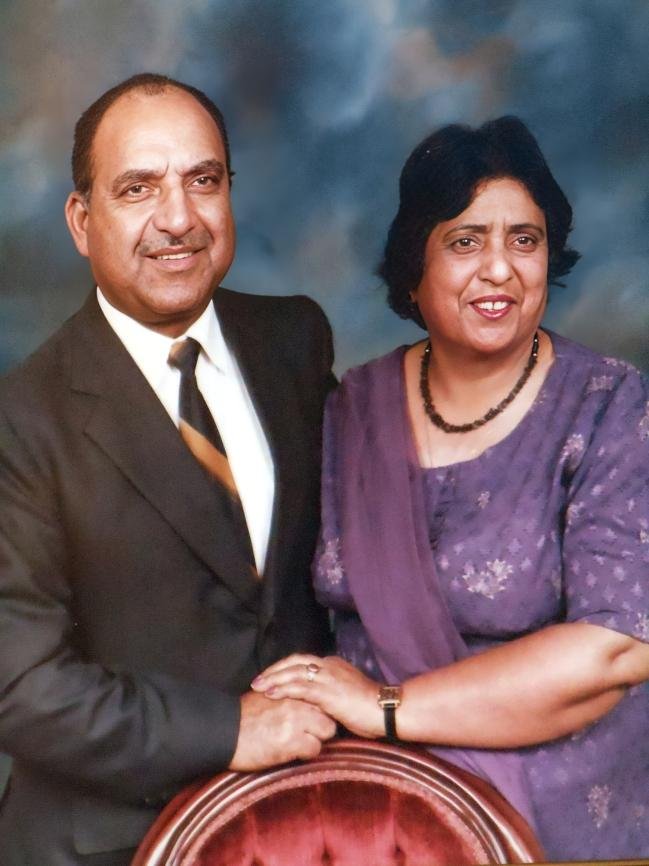
Precisely, in many ways, Bhutto’s leadership reflected both brilliance and arrogance. His intellectual sharpness, bold diplomacy, and powerful oratory made him a dominant political figure, yet his uncompromising style also intensified political rivalries and controversies during a critical period in Pakistan’s history.”
Salah-ud-Din Sahib also talked about the political crisis following the 1970 Pakistani general election, in which Sheikh Mujibur Rahman and the Awami League won a decisive majority, and called it one of the most controversial episodes of that era. Bhutto’s refusal to accept Mujib’s clear mandate contributed to the political deadlock that eventually led to the tragic events surrounding the Bangladesh Liberation War in 1971.
Meanwhile, we had finished our lunch, and honestly, I was so absorbed in the conversation that I hardly knew what I had eaten; only that I felt my belly was full. Coffee was then ordered, and I asked Salah-ud-Din Sahib about the incident when he had refused to go to Bangladesh, something Zahoor had told me earlier.
“Yes, this was before the 1971 war,” he said. “My parents were visiting me after many decades. They were accompanied by Zahoor, who was very young at the time, and my youngest sister. Around that time, I was ordered to report for duty in Dhaka, which I initially refused, and I was even prepared to tender my resignation.The Secretary of Information then visited me and warned that since martial law had been imposed, I should be prepared for jail if I continued to defy orders. I had no choice but to accept the new posting. I had to leave for Dhaka the very same night,” he said.
I asked him what the situation was like in Dhaka when the Bengalis had risen in revolt, and what role the army was playing. He paused for a moment and drew a long breath before answering. “Those were dark and frightening days,” he said quietly. “The city lived under constant tension and fear. The Pakistan Army moved in to crush the uprising with overwhelming force, torture and killing. Troops patrolled the streets, curfews were imposed, and the sound of gunfire often broke the silence of the night. Universities, neighbourhoods, and public spaces became scenes of sudden raids and arrests. The intention was clear; to stamp out the rebellion quickly and decisively. But the anger and determination of the people had already spread too far,” he said.
He further shared that the crackdown soon escalated into the wider conflict that became the Bangladesh Liberation War, a tragic and defining moment in the history of the subcontinent. After a month, his request to see his parents off to their homeland was finally granted, and he was transferred back.”
As Salah-ud-Din Sahib talked about Pakistan Army’s central role in the politics of the country, I gathered the courage to ask the question that had been weighing on my mind throughout our conversation. I hesitated for a moment before asking him what he really thought of the Pakistan Army.
For a brief instant he remained silent, as if weighing his words carefully. Then he spoke with a quiet firmness. He stated: “In most countries, armies exist to defend the nation’s borders and remain under the authority of elected governments as you have in India. In Pakistan, however, the reality has often been the opposite. The army has repeatedly stepped beyond its constitutional role and positioned itself as the ultimate arbiter of power.”
He explained that the real centre of authority often seemed to lie not in parliament or the prime minister’s office but in General Headquarters (GHQ), where strategic decisions influencing politics, governance, and even economic institutions were shaped. According to him, civilian leaders frequently appeared constrained, while the military establishment retained the ability to influence or pressure political leadership to serve its institutional interests.
He went on to describe how, over the decades, the military’s involvement extended far beyond defence. Retired officers moved into leadership positions in public enterprises, regulatory bodies, and state institutions; positions that ideally required professional administrators or technocrats. This expanding influence, blurred the line between military authority and civilian governance, weakening democratic institutions and fostering a culture where elected leaders often operated under the shadow of unelected power.
“Power in the country often remains concentrated in the hands of a few influential families, large landowners, and business elites who define the ruling class and control much of the political system. This concentration of wealth and influence has frequently weakened democratic accountability, Asif Ali Zardari, who earned the nickname ‘Mr. Ten Percent’, and the accusations of financial misconduct directed at Nawaz Sharif and his family, reinforced the public perception that politics in Pakistan had become closely tied to personal enrichment and elite privilege,” he said.
“The tragedy,” he concluded, “is that every time democracy in Pakistan begins to find its footing, the balance tilts again.”
His words hung in the air long after he had finished speaking, leaving me with the uneasy realization that the story of Pakistan’s politics could not be understood without acknowledging the immense and often controversial role of its most powerful institution.
Although I was completely absorbed in the conversation and wished it could continue, he was visibly getting tired. Turning to Zahoor, he gently suggested that it was time for us to leave. I felt deeply grateful for the mesmerising and firsthand account he had shared with me; after all, he had lived through many of the events we had been discussing.
We rose from our seats and exchanged a warm handshake. As we stepped outside, Zahoor whispered to me that he had never seen his uncle speak so openly and at such length with anyone before.
Salah-ud-Din Sahib’s life, he later told me, had been marked by both adventure and deep tragedy. His only son, a pilot, had died just three weeks after his marriage, an unbearable loss that broke him from within. Not long afterward, he also lost his wife. In the years that followed, he would often visit Kashmir and spend time with Zahoor, perhaps seeking some measure of peace in the quiet beauty of the valley.
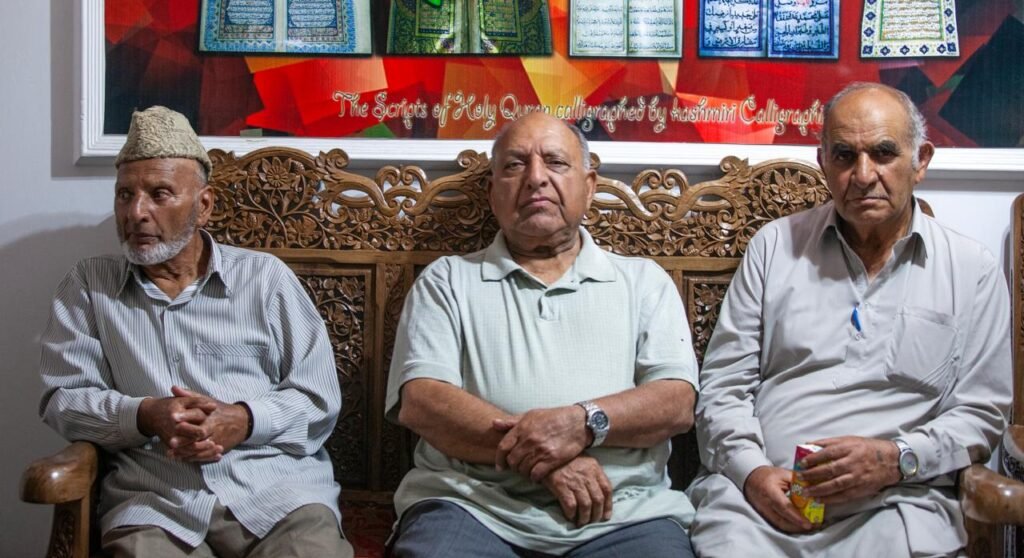
His father had served as an officer in the telegraph department under Hari Singh, the last ruler of Jammu and Kashmir. Because of his father’s postings, Salah-ud-Din Sahib spent much of his childhood traveling through the remote and beautiful regions of the valley. Those early journeys left a deep and lasting imprint on his heart. Whenever he returned to Kashmir later in life, Zahoor would lovingly take him to the very places where he had once wandered as a young boy, revisiting memories that had remained alive within him for decades.
Though he spent many years abroad, his heart never drifted away from his homeland. He remained deeply attached to the land of his birth; its mountains, its people, its language, and its culture. He spoke his mother tongue with pride and affection and took immense joy in recalling the poetry, traditions, and rich cultural heritage of Kashmir. Even from afar, he kept himself closely informed about every development back home, as if a part of his soul still lived among the valleys and rivers of his beloved land.
Salah-ud-Din Sahib breathed his last in July 2024 in Washington, D.C. at the remarkable age of ninety-nine. Yet even in death, his love for his motherland endured. In memory of his only son, he established a trust so that his entire wealth would be devoted to the education of children in Kashmir. It was his final gift to the land he loved so deeply.
In the end, that act alone defined the essence of the man; his lifelong devotion to his homeland, his language, and the cultural legacy that had shaped him. Even though he lived far away for much of his life, his heart never truly left Kashmir.
MAY ALLAH GRANT HIM HIGHEST PLACE IN JANNAH!