

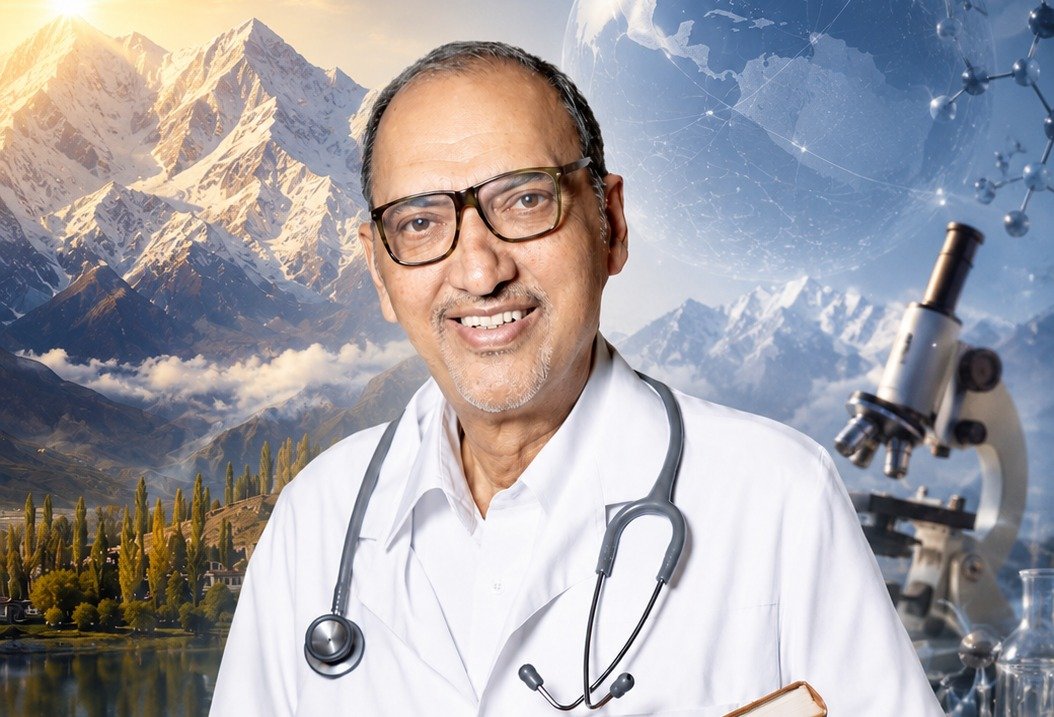
From the Foothills of Himalayas to the Annals of Global Medicine:
TIMES LINK EDITORIAL TEAM
A critical and realistic account of the life of Dr. Mohammad Sultan Khuroo reveals a career defined by high-impact medical discoveries achieved under difficult circumstances, often in the face of institutional skepticism and political instability. The life of Dr. Khuroo is a remarkable narrative of scientific brilliance, ethical resilience, and an unwavering commitment to his homeland. Emerging from the small town of Sopore, Kashmir, he rose to become a globally recognised figure in medicine, credited with the discovery of a new virus and the revolutionising of the treatment of several life-threatening diseases. His journey is characterised by a zest to explore the unknown and a steadfast adherence to a promise made to his father to serve his own people.
Early Life and Foundations of Character
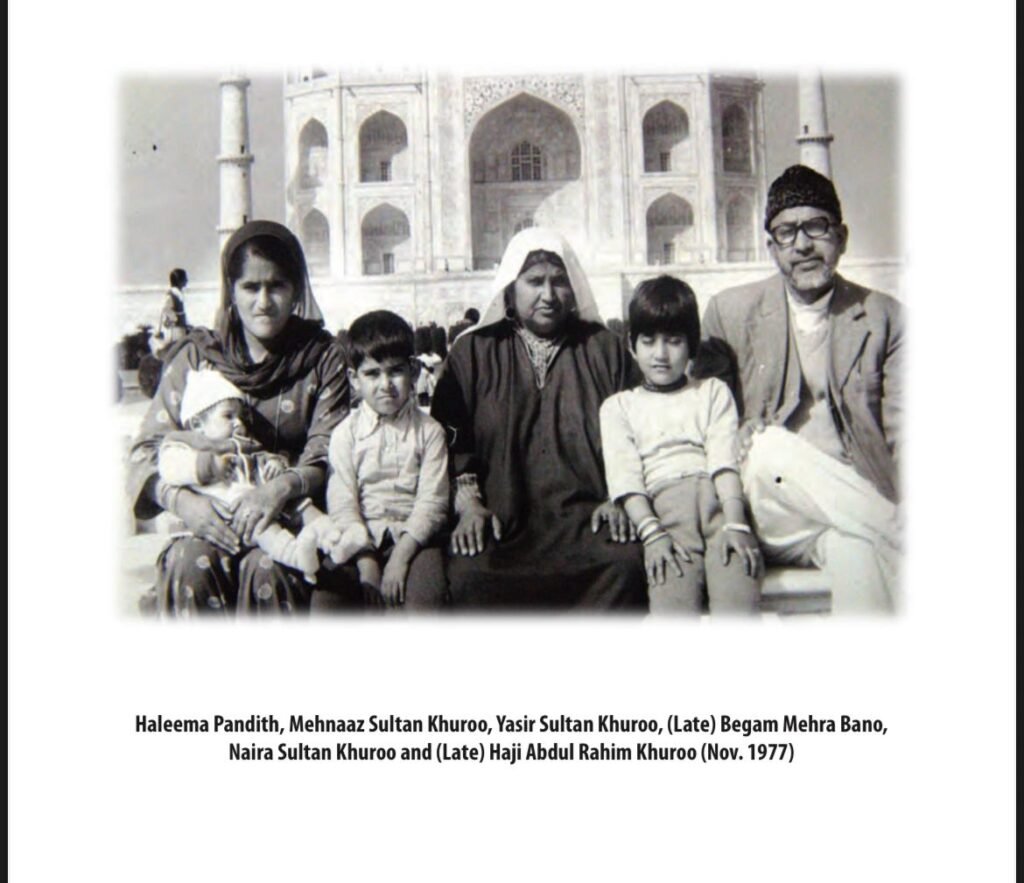
Family: Mohammad Sultan was born in the Mohalla Kraltengh of Sopore, Kashmir, into an educated and respected family. The Khuroo dynasty, descendants of Prabat Khuroo, has traditionally been a trading community since the 14th century, managing the food grain supply chain across the Kashmir valley. His childhood was heavily influenced by two prominent figures, namely his grandfather, Haji Fateh Khuroo (1885–1958), a scholar of Persian and Arabic literature, and whose residence was a known seat of learning, and his father,Haji Abdul Rahim Khuroo (1922–1995), a man of great wisdom who supported numerous charitable schools and social organizations for the poor and orphans.
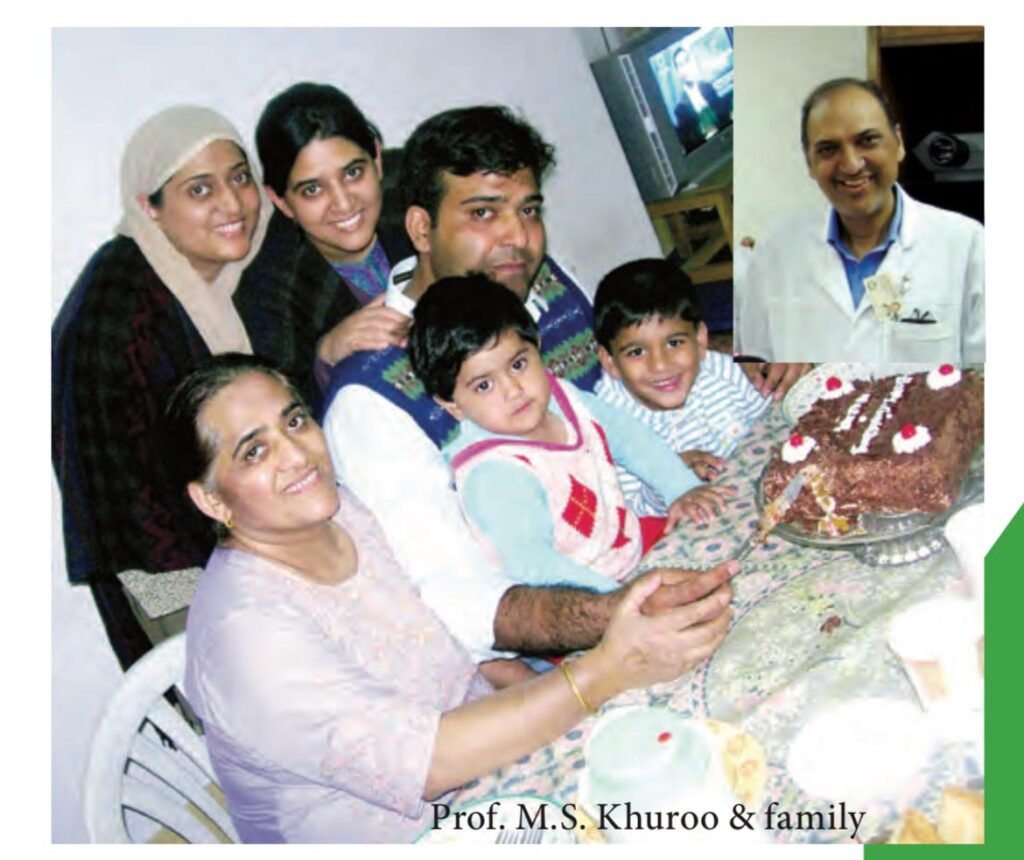
Childhood: Severe natural disasters tested Khuroo’s childhood. During the massive flood of 1957 and the subsequent drought of 1958, which left many in Sopore homeless and penniless, he demonstrated remarkable resilience. To fund his education and support his financial needs, he lived in a makeshift room, ran a small business, and provided tuition for fellow students.
Early Education and Social Activism
He attended Government Boys Baba-Yousuf School, a “Jabri-school” established to enforce education among the population. Even as a young student, he was socially active, participating in the ‘Naya Kashmir’ program, where he traveled to villages to advocate for personal hygiene, women’s rights, and the value of education. He completed his high schooling at Government Boys Higher Secondary School, Sopore, and his FSC at Government Degree College, Sopore.
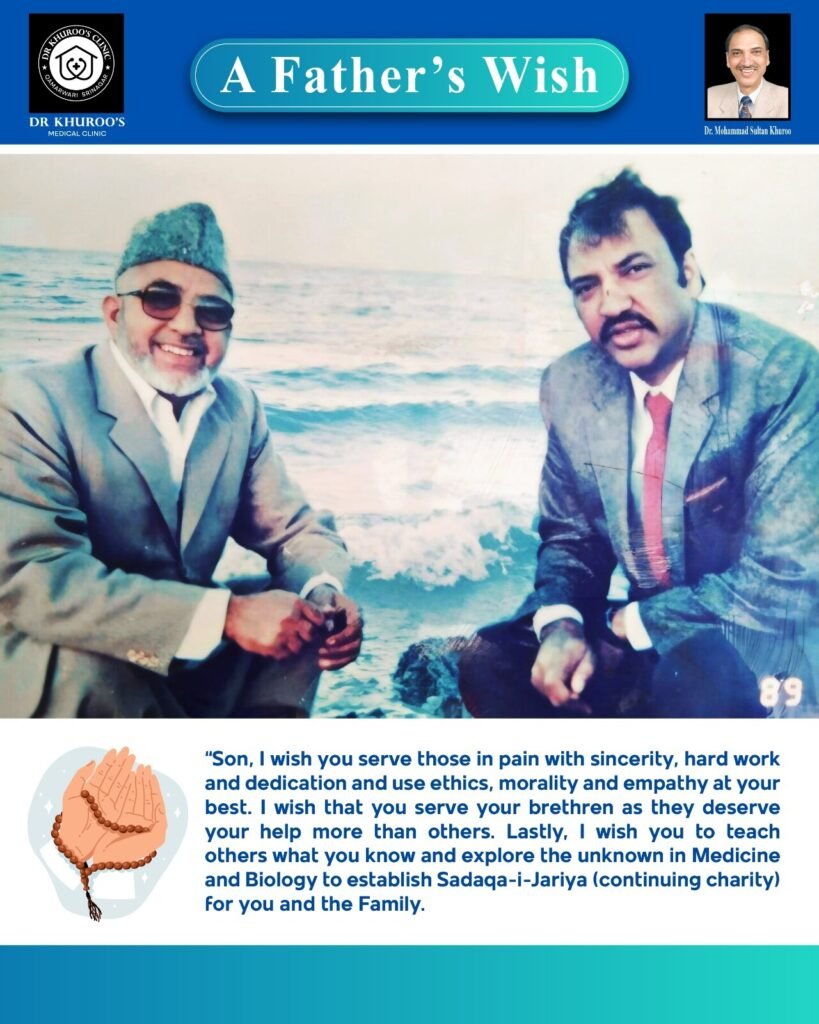
While he had a personal passion for Mathematics, Khuroo chose Biology to fulfill his desire to serve humanity. This choice was sealed by a promise to his father, who wished for him to “serve those in pain with sincerity” and “explore the unknown in Medicine and Biology to establish Sadaqat-I-Jariya (continuing charity)” for the family. This promise became a defining force in his career, leading him to reject lucrative Western offers later in life to serve his own people.
Govt. Medical College Srinagar
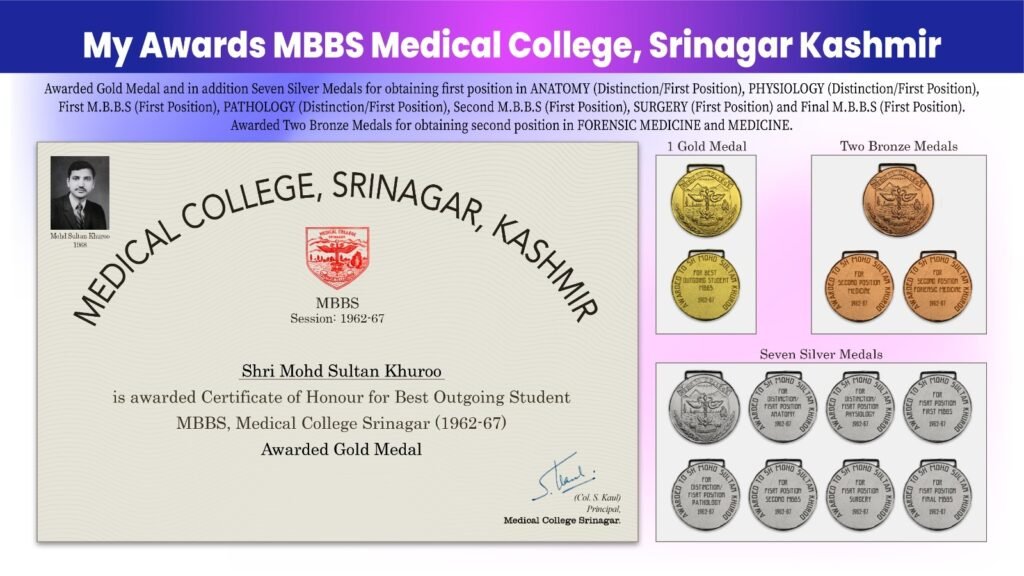
Khuroo’s medical journey began at the Government Medical College (GMC) Srinagar. He was admitted to GMC Srinagar based on his brilliant academic record in school. He was part of a cohort of 62 classmates who represented diverse religious and social backgrounds. His tenure as a medical student was defined by academic brilliance and a reputation for clinical excellence that began well before he became a physician. He often credited his teachers not just for their medical instruction, but for teaching essential values such as ethics, empathy, self-respect, and patience. He graduated as the most decorated student of his session. His performance during prize distributions became a college fixture; peers recalled his name being called repeatedly to receive medals, leaving a lasting impression on his classmates. His achievements included a Gold Medal for being the “Best Outgoing Student”; seven Silver Medals: for obtaining first position (often with Distinction) in Anatomy, Physiology, 1st MBBS, Pathology, 2nd MBBS, Surgery, and Final MBBS; and two Bronze Medals for obtaining second position in Medicine and Forensic Medicine.
Dr. Khuroo was labeled as one of the “Gems” of GMC Srinagar. His Professor of Pathology, Dr. Goyal, who was famously reluctant to give recognition, described him as one of the best students in India. Peers noted that while he was simply a student, he had already risen to “dizzy heights of fame”. He was known as an extraordinarily hard worker who spent his waking hours reading or stationed in the hospital wards.
During his clinical postings in Ward 3 of SMHS Hospital (the college’s affiliated teaching hospital), Dr. Khuroo’s understanding of medicine was described as “magical”. One registrar recalled that even as a student, Dr. Khuroo could explain complex physiological mechanics, such as those behind heart murmurs, so thoroughly that he would continue teaching his mates well into their lunch breaks. He was frequently seen in the corridors or wards discussing symptoms and eliciting signs with colleagues.
Upon graduation, Dr. Khuroo received lucrative offers from Western organizations. However, he chose to reject these opportunities to fulfill a promise to his father to serve his own brethren. He began his professional career at GMC Srinagar as a resident doctor, earning a meager ₹300 per month, choosing a life of austerity to serve his society. He later completed his post-graduate degree (MD in General Medicine) at the same institution between 1970 and 1972.
Post-graduate Institute (PGI), Chandigarh
Dr. Khuroo’s tenure at the Postgraduate Institute of Medical Education and Research (PGIMER), Chandigarh, marked a definitive turning point in his career, during which he transitioned from a practicing physician to a high-caliber clinical researcher. He spent two years at PGIMER, from June 1976 to June 1978. The primary purpose of this period was to pursue super-specialty (DM) training in Gastroenterology to further his medical knowledge and enhance his clinical investigative skills. Although his first choice for super-specialisation was Cardiology, the legendary Director of PGIMER, Prof. P. N. Chhuttani, personally intervened during the selection session, telling him, “Boy, you are joining Gastroenterology, and the Cardiology seat can be offered to the next candidate”. During these two years, he hardened his clinical skills and learned medicine as an “art to practice and teach”. Under the mentorship of Prof. D. V. Datta (Head of Hepatology), Dr. Khuroo gained deep expertise in hepatic hemodynamic studies. Since ultrasound and CT scans were not yet available, he used the cardiac catheterization lab to perform radiological and blood-flow studies of the hepatic outflow tract. He became a favorite of his superiors for his willingness to perform complex hemodynamic studies, personally conducting them for 35 patients with Budd-Chiari syndrome during his stay.
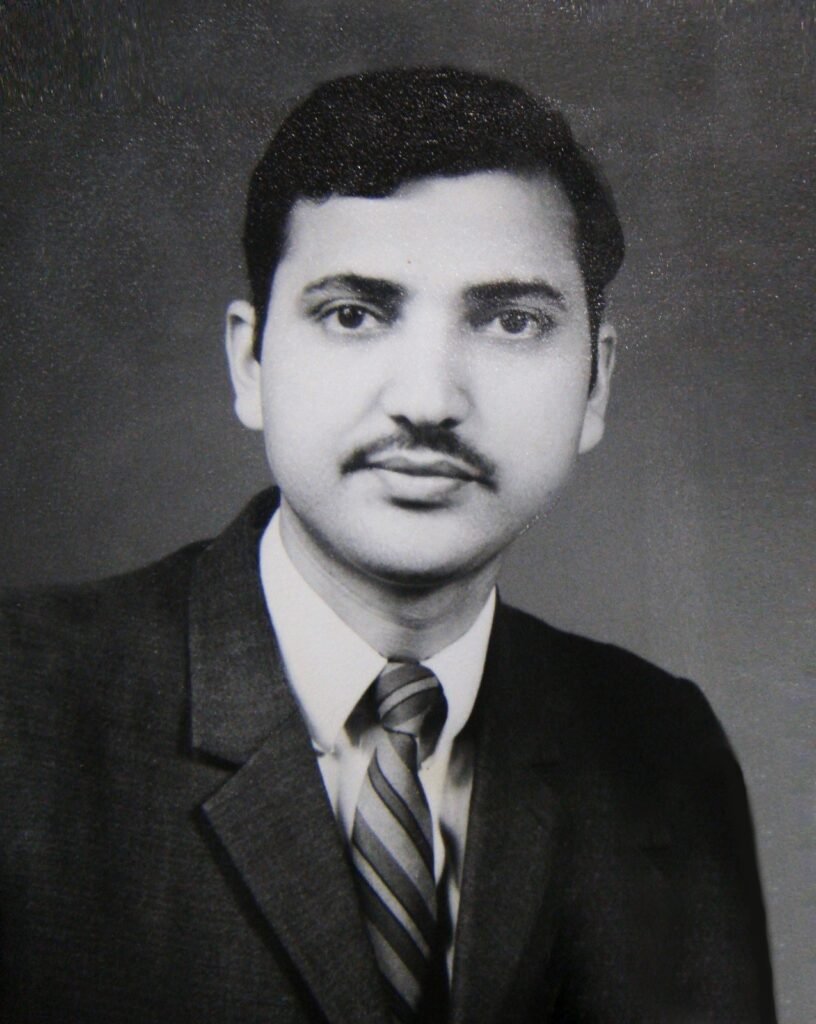
Several high-impact research contributions marked Dr. Khuroo’s time at PGIMER. He identified a specific syndrome of hepatic vein thrombosis that occurs selectively in the third trimester or following delivery. To document this, he spent his final three months at the institute searching 16 years of medical records and autopsy files. This effort resulted in a landmark cohort study of 105 patients, which included 16 cases specifically related to pregnancy, and was published in the coveted American Journal of Medicine in 1980.
He highlighted the role of herbal medicines, specifically the plant Heliotropium eichwaldii, in the development of Veno-Occlusive Disease (VOD) in India. This work involved traveling to villages in Punjab to collect herbs and collaborating with the Medical Research Council UK for advanced toxicology analysis.
His research during this period laid the groundwork for his future discovery of Hepatitis E, as it was Prof. Datta who first prompted him to investigate why pregnant women in India were dying of fulminant hepatitis.
Discovery of hepatitis E
Dr. Mohammad Sultan Khuroo returned to the Kashmir Valleyafter completing his super-specialty (DM) training in Gastroenterology at PGIMER, Chandigarh. Only months after his return, a massive and explosive waterborne epidemic of jaundice hit the Gulmarg region (District Baramulla) of the Kashmir Valley. The epidemic was colossal, affecting approximately 200 villages with a population of 600,000. It caused an estimated 20,083 icteric cases and 600 deaths. The infection was traced to contaminated water from the Ningli Nallah, a rivulet used by the population for everything from drinking and ablution to sewage disposal.
Dr. Khuroo’s discovery of what is now known as Hepatitis E was a result of his determination to uncover the “hidden saga” behind why pregnant women in India were dying of fulminant hepatitis, a question posed to him during his training by his mentor, Prof. D. V. Datta.
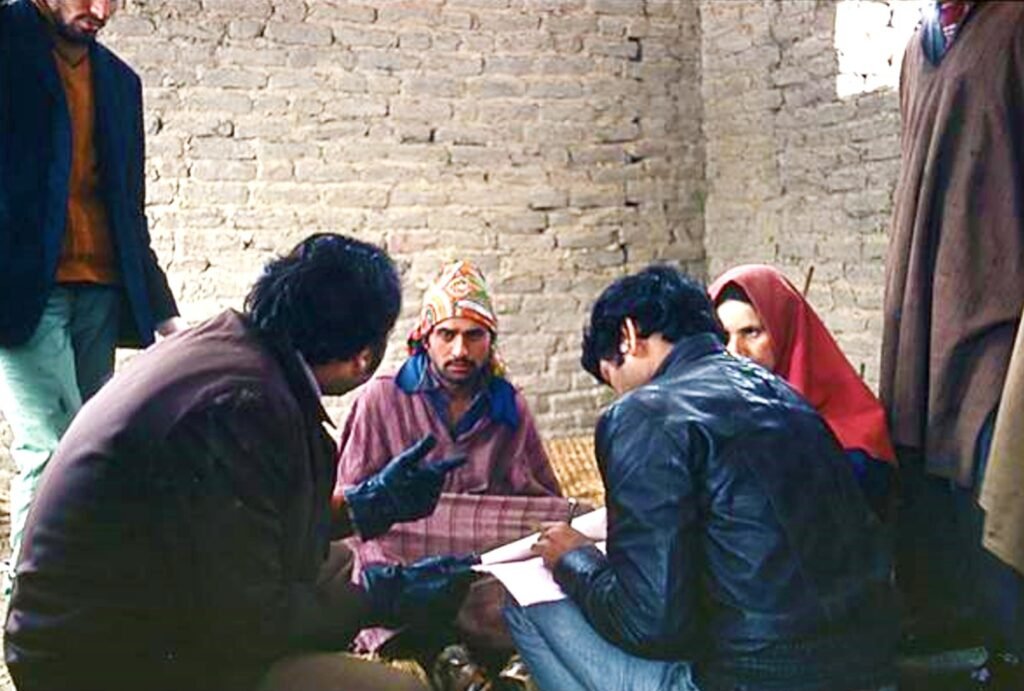
Facing a lack of institutional funding, Dr. Khuroo stepped away from his clinical duties and mobilised a team of 500 healthcare workers to conduct an unprecedented door-to-door survey. Over six months, they visited each house four times, examining every household member for signs of hepatitis and collecting blood and faecal samples. Dr. Khuroo funded the entire research project using his own private practice income. During the study, he and several of his family members actually contracted the disease themselves. Analysis of the data by May 1979 revealed a unique disease pattern as it affected young adults, spared children, and had a devastating mortality rate (up to 22.2%) in pregnant women, particularly in their third trimester. Because the samples tested negative for Hepatitis A and B, Dr. Khuroo announced the existence of a new entity: “Epidemic non-A, non-B Hepatitis (ENANBH)” caused by a hitherto unknown hepatitis virus. The discovery was initially met with “Pyrrhonism” (extreme skepticism) and backlash from the international medical community. Some peers dismissed his findings as “imagination rather than facts,” believing the epidemic was simply a standard outbreak of Hepatitis A. Dr. Khuroo fought this skepticism with clinical courage, shipping thousands of samples to international laboratories in the UK, Netherlands, Japan, and the USA to prove the absence of Hepatitis A and B markers. His findings were eventually validated by 1983, and the world community accepted the existence of a new disease, “Epidemic non-A, non-B Hepatitis” later named as hepatitis E.
Dr. Khuroo’s primary paper on the epidemic, published in the American Journal of Medicine in 1980, is now recognized as one of the “Classic Papers in Viral Hepatitis”. His work effectively placed Kashmir on the global scientific map and established him as a “Discoverer” in the history of medicine.
SKIMS
Khuroo-Guru Institute: Dr. Khuroo joined the Sher-I-Kashmir Institute of Medical Sciences (SKIMS) on January 1, 1982, as one of the founding faculty members. Along with a small group of senior faculty members, he worked tirelessly with the administration to plan the policies and practices that transformed the physical structure into a functioning tertiary care center, which officially opened on December 5, 1982. This impact was so significant that the institution was often colloquially referred to as the “Khuroo-Guru Institute,” a tribute to him and his colleague, the late surgeon Dr. Abdul Ahad Guru.
Medicine & Gastroenterology at SKIMS. For 13 years, Dr. Khuroo served as the Chairman of the Department of Medicine and the Head of Gastroenterology. During this tenure, he established a world-class department equipped with advanced diagnostic and therapeutic endoscopy, GI motility laboratories, and laser services. He introduced complex procedures such as ERCP, performing over 10,100 such interventions over his career, many during his time at SKIMS. Under his watch, the department became a leader in therapeutic gastroenterology in India, ensuring that patients no longer had to leave the state for specialized care. He inculcated a high level of discipline by working 18-hour days and inspiring his students to match his commitment. His students experienced an atmosphere of “vibrant activity” where research and patient care were inseparable.
Kashmir on the world epidemiological map. Dr. Khuroo established Kashmir on the global epidemiological map by transforming the region into a center for high-caliber clinical research that identified unique disease patterns and discovered new medical entities. This process was driven by his “zest to explore the unknown,” utilizing a systematic approach that combined large-scale field surveys, innovative diagnostic tools, and international collaboration. Khuroo utilized his clinical practice to uncover diseases that were previously unquantified or unrecognized in the region.
The most significant event in this process was the discovery of hepatitis E during an earlier field study. At SKIMS, he published seminal works on hepatitis E in high-ranking journals. In 1985, he discovered the clinical syndrome of Hepatobiliary and Pancreatic Ascariasis (HPA). He quantified the public health impact of Ascaris lumbricoides, proving it was as common as gallstones in causing biliary disease in Kashmir. His descriptions of the “death dance of the biliary demon” became globally iconic. In 1993, Dr. Khuroo was among the first to describe the entity of portal biliopathy, identifying that nearly all patients with extrahepatic portal venous obstruction (portal cavernoma) in Kashmir also suffered from bile duct strictures.
Dr. Khuroo conducted landmark studies that provided the first accurate prevalence data for common diseases in Kashmir, India, often challenging existing medical notions. He conducted the first study of its kind in India, using endoscopy as the primary diagnostic tool, in a random sample of the general population in Srinagar. This research, published in the journal Gut, established the true “ulcer load” in our community. Following his work on parasites, he used sonography to study 1,104 individuals in a field setting. This study defined Kashmir as an endemic zone for gallstone disease and answered critical questions about the symptomatic nature of biliary invasion. In a seminal paper published in the reputed British journal “Gut”, he defined Kashmir as a high-endemic zone for esophageal and gastric cancers. Dr. Khuroo formed a research group that defined Kashmir as part of the “Asian esophageal cancer belt,” with an incidence four times higher than in other Indian cities like Bombay. He identified salt tea (Nun-Chai) and specific dietary habits as major predictors for these cancers.
New England Journal of Medicine. By publishing his findings in “the Bible of Medicine”, the New England Journal of Medicine, as well as The Lancet and Hepatology, Khuroo ensured that his work in Kashmir was discussed in clinical units worldwide. He collaborated with prestigious institutions, including the National Institute of Health (NIH) and the Cancer Center at Lyon, to perform basic research on the unique disease patterns he identified in the valley. Ultimately, his work proved that original, world-class science could emerge from a resource-limited setting, effectively placing Kashmir’s medical landscape under a global spotlight.
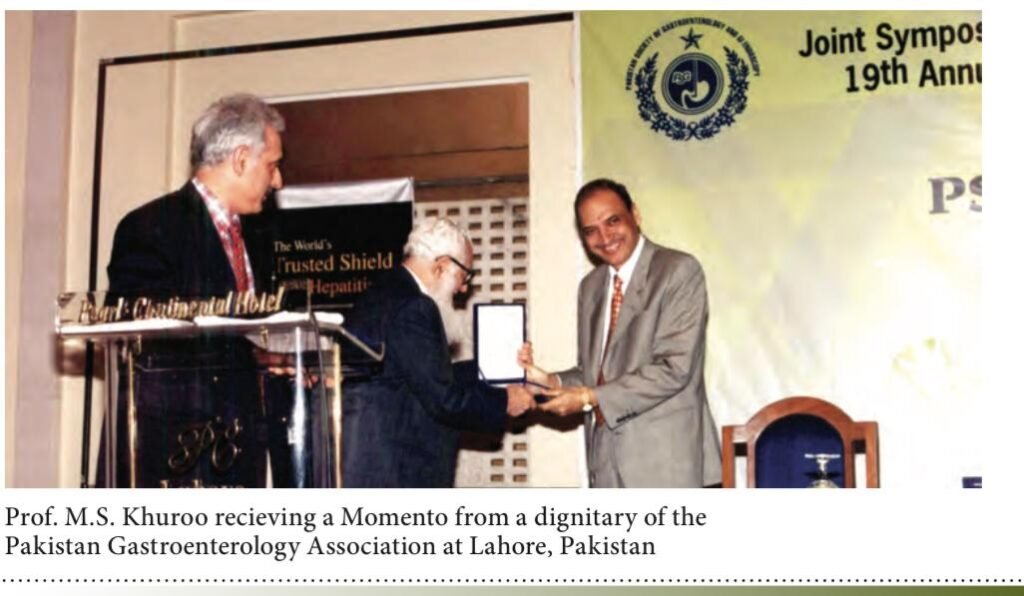
Dr. Khuroo exhibited extreme drive, energy, and self-discipline. He supervised over 20 MD and PhD thesis projects, training a generation of physicians who eventually held leadership roles globally, including at the CDC in Atlanta.
Dean SKIMS: Dr. Khuroo served as the Dean of Medical Faculty in the eighties. In this role, he helped shape SKIMS as an academic institution. He was instrumental in drafting the academic calendar and pursuing the legislative act that established SKIMS as a “Deemed University”. He coordinated the academic programs for eight subspecialties, overseeing postgraduate (MD/MS) and post-doctoral (DM/MCH/PhD) training, as well as nursing and technology programs.
Director SKIMS: Dr. Khuroo was appointed Director of SKIMS in January 1993, a period marked by intense political instability in the Kashmir Valley. Despite the “trying times,” he is credited with reinvigorating the institute’s clinical and academic programs. He expanded faculty and technical manpower and improved employee service rules. He was noted for refusing to compromise on the merit and integrity of the medical examination system, even when facing personal threats to his life and family during the peak of militancy.Many employees and members of society remember his directorship as a “golden period” for the institution, defined by his ability to maintain high-caliber clinical research and patient care amid extreme ground conditions. He eventually left the position, following his father’s advice to move out of the valley for safety, leading to his ten-year period in Saudi Arabia.
KFSH&RC, RIYADH
Appointment: Dr. Khuroo’s decade at the King Faisal Specialist Hospital and Research Center (KFSH&RC) in Riyadh represented a period of professional transformation and international leadership. Driven by escalating political instability in the Kashmir Valley, Dr. Khuroo accepted an offer to join KFSH&RC. At the time, faculty positions at this premier apical institution were typically reserved for American-born and trained physicians. Dr. Khuroo was the only Indian-trained physician on the faculty. One of the members of the nine-member selection committee is reported to have commented on his curriculum vitae as being “damn-impressive”
Responsibilities: During his tenure at KFSH&RC, Dr. Khuroo held high-level responsibilities. As a Consultant Hepatologist, he was a core member of the team responsible for the tertiary care of patients with GI and Liver diseases. Shortly after his joining the Institution, Dr. Jean Cronstedt, the Head of Gastroenterology, recommended him for a leadership position as Head of Gastroenterology, which he held for many years. Dr. Khuroo served as the Head of the Gastroenterology Section from January 1996 through June 2002. He worked with a large American team to experiment and establish the Liver Transplant program in the Kingdom of Saudi Arabia. The work environment at KFSH&RC was strictly regulated by the Internal Policy Procedures Regulations (IPPRs) in accordance with North American guidelines. Professionally disciplined, he also integrated into the local social fabric, famously mastering golf with the same dedication he applied to medicine, and surprising his colleagues with a 180-yard drive shortly after starting the sport.
Throughout his stay in Riyadh, Dr. Khuroo remained deeply connected to Kashmir. He frequently visited the Valley during breaks to study its healthcare challenges, eventually producing influential reports titled “Healthcare in J&K at Cross Roads” and “Healthcare in J&K: A Model for the Millennium”.
JOURNEY BACK TO KASHMIR
Concept: Dr. Khuroo’s return to Kashmir after a decade of work at the King Faisal Specialist Hospital and Research Center (KFSH&RC) in Riyadh was a deliberate move driven by his deep-seated sense of duty and professional vision. The fundamental purpose was a “commitment to the soil” and the fulfilment of a lifelong objective to serve his own people. His motivations were rooted in two primary factors, namely a promise to his father and professional unease. Throughout his career, he was guided by a promise to his father, Haji Abdul Rahim Khuroo, to work for the welfare of his own society.Despite his high status in Riyadh, Dr. Khuroo felt a profound “unease” that, while he was treating patients in Saudi Arabia with his expertise, the people of Kashmir were without it. He felt a responsibility to maintain the tertiary care system he had nurtured before his departure. Having worked within the efficient, North American-style health delivery system at KFSH&RC, he aimed to implement a similar system of Internal Policy Procedures Regulations (IPPRs) in Kashmir to ensure patient dignity and satisfaction.
Process: The process of disengaging from a prestigious international career was complex and required significant resolve. Dr. Khuroo made his clear intentions to return known to the KFSH&RC administration. To keep him in Riyadh, the hospital administration offered substantial incentives, including waiving the retirement age limit and extending his contract for two-year blocks. Despite these offers, he held his heart in his hand and resigned from his coveted position at KFSH&RC to return to Kashmir. Upon his departure, he was presented with an Award of Appreciation for a decade of “outstanding division, integrity, hard work, and loyalty”.
Upon his return, Dr. Khuroo transitioned from institutional leadership to community-focused care. He established a state-of-the-art daycare facility in Srinagar that has since registered and treated over 60,000 patients from across Jammu, Kashmir, and Ladakh. In 2008, he founded a family-sponsored non-profit organization to provide free medical treatment to people experiencing poverty, support academic activities, and disseminate medical education. His return did not mark the end of his scientific pursuits; his private clinic has continued to identify and publish new clinical syndromes such as gastric ascariasis and Trichuris Dysentery Syndrome. During the COVID-19 pandemic, he stepped out of retirement to chair the state’s task force and used social media to educate the public in a culturally sensitive manner.
The “Big Six” Discoveries: A Legacy of Innovation
Dr. Khuroo’s career is defined by six landmark contributions to medicine, often referred to as the “Big Six.” These breakthroughs were frequently achieved in resource-limited settings, funded by his own private practice income rather than institutional grants.
The Discovery of Hepatitis E: In November 1978, shortly after returning to Kashmir from his training in Chandigarh, a massive epidemic of waterborne jaundice hit the Gulmarg region. While others dismissed it as typical Hepatitis A, Khuroo recognized a unique pattern: a devastatingly high mortality rate among pregnant women. He mobilized a team of 500 workers to conduct a door-to-door survey of 200 villages. He identified a new disease entity, which he called “epidemic non-A, non-B hepatitis,” now globally known as Hepatitis E. This discovery placed Kashmir on the international scientific map and earned Khuroo a permanent place in the “History of Medicine”.
Hepatobiliary and Pancreatic Ascariasis (HPA). Kashmir had a high prevalence of Ascaris lumbricoides (roundworms), but their impact on the biliary system was largely unquantified. Khuroo described the “Death Dance of the Biliary Demon,” where live worms migrate from the intestine into the bile and pancreatic ducts, causing severe pain, infection, and pancreatitis. His photographic and video documentation of this phenomenon became iconic in global gastroenterology.
The PAIR Technique for Hydatid Cysts. For centuries, surgeons followed a strict dogma: never puncture a Hydatid cyst in the liver, as it would cause fatal anaphylaxis. In 1991, Khuroo challenged this by developing the PAIR technique (Percutaneous Aspiration, Injection of scolicidal agents, and Re-aspiration). Through rigorous experimentation, he proved that this minimally invasive procedure was safer and more effective than traditional surgery, requiring shorter hospital stays.
PPIs in Peptic Ulcer Bleeding. In the mid-1990s, the medical community struggled to treat bleeding peptic ulcers effectively. Khuroo conducted a landmark randomized trial proving that a megadose of Omeprazole (a Proton Pump Inhibitor) could stabilize clots and prevent re-bleeding. Published in the New England Journal of Medicine in 1997, this work saved millions of lives globally and changed international treatment protocols.
Portal Biliopathy. Dr. Khuroo was the first to describe Portal Biliopathy, a condition in which patients with extrahepatic portal venous obstruction develop biliary abnormalities, such as strictures and stones. This discovery was accidental, born from the investigation of a young patient who bled to death during a routine surgery due to unrecognized portal hypertension.
Budd-Chiari Syndrome in Pregnancy. During his DM training at PGIMER, Khuroo recognized a specific syndrome of hepatic vein thrombosis (Budd-Chiari) that occurred selectively following pregnancy. His critical analysis of a large cohort of 105 patients remains a foundational study on the subject.
AWARDS & ACCOLADES
Dr. Mohammad Sultan Khuroo has received extensive national and international awards and accolades, making him a legendary figure in medicine and a pioneer in clinical research.
Best outgoing student: His career of accolades began during his undergraduate years at Medical College Srinagar, when he won a Gold Medal for being the “Best Outgoing Student”, seven Silver Medals for obtaining first position (often with Distinction) in Anatomy, Physiology, 1st MBBS, Pathology, 2nd MBBS, Surgery, and Final MBBS, and two Bronze Medals for obtaining second position in Medicine and Forensic Medicine.
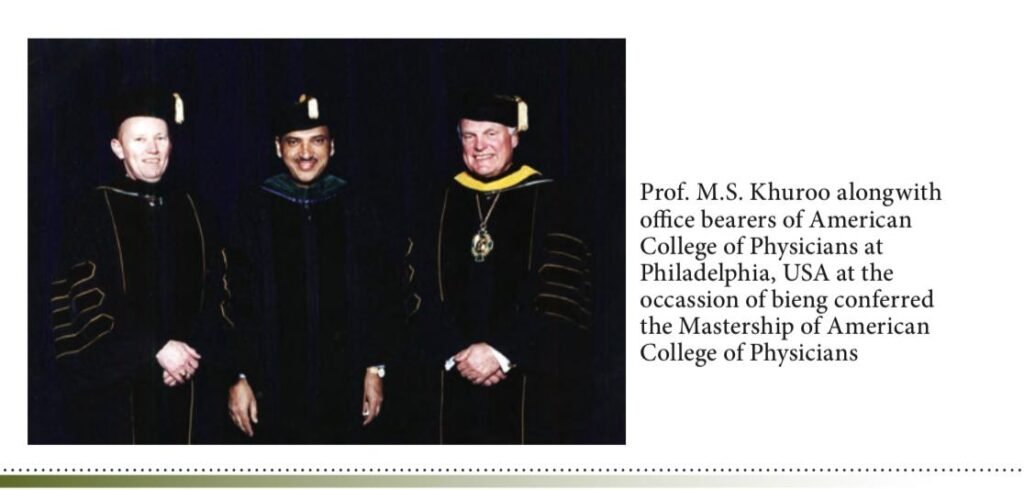
MACP: The American College of Physicians (ACP) conferred the title of “Master of the American College of Physicians (MACP)” on Prof. Khuroo in April 2000 in Philadelphia; this is a title the ACP gives to only a few of its “own legends”. Dr. Khuroo was elected as a Fellow of the Royal College of Physicians of Edinburgh (FRCP Edin) in January 1997 and as a Fellow of the American College of Physicians (FACP) in January 1998.
ISG awards: The Indian Society of Gastroenterology (ISG) and other major bodies have frequently recognized his original contributions by awarding several State-of-the-Art orations. He won Best Academic Work Awards (ISG) in 1980 for the discovery of Hepatitis E; in 1983 for the discovery of Biliary Ascariasis; and in 1987 for studies on Endoscopic Sphincterotomy.
KMA-IDF award: KMA-IDF International Award and Oration (2008) was awarded by the Kuwait Medical Association and Indian Doctors Forum, which included a citation and a cash prize of ₹100,000 for his discovery of Hepatitis E. He has been designated as the International Figure of Kashmir (2006), awarded by the Doctors Association of Kashmir (DAK) for his world-renowned work in Gastroenterology. The J&K branch of the Indian Medical Association (IMA) has awarded him the title of Pride of Performance (2005).
ACCLAIMS
Others speak of Dr. Khuroo with profound acclaim, viewing him as a “living legend” who uniquely combined world-class research with deep clinical expertise.
Key themes of this acclaim include:
Scientific and Research Brilliance: He is described as a “trendsetter in research” and “possibly India’s brightest and most competent clinical epidemiologist”. His work is credited with “putting Kashmir on the scientific map of the world” and earning him a permanent place in the “History of Medicine” as a “Discoverer”.
Clinical Mastery: Peers describe him as a “rare combination of great clinical skills and great research acumen”. His international reputation is such that a legendary Swiss physician applauded Dr. Khuroo’s clinical acumen in front of a Kashmiri patient who wanted his consultation.
Institutional Impact: At SKIMS, his influence was so significant that the institute was colloquially nicknamed the “Khuroo-Guru Institute”. Colleagues remember his directorship as a “golden period” for the institution.
Mentorship: His students acknowledge his sense of extreme drive and self-discipline. Many of his protégés, who now hold high-ranking global roles at institutions like the CDC, proudly regard him as their “Guru”.
Ethics and Character: He is lauded for his “exemplary sense of humanism” and as a “person of great character and integrity” who refused to compromise on merit or ethics, even under threat.
A “Son of the Soil”. To the people of Kashmir, he is a “selfless son of the soil,” and a “true hero” for rejecting lucrative Western offers to serve his own community.
Legacy
The life of Dr. M. S. Khuroo is a testament to the fact that original, high-caliber science can emerge from anywhere in the world if there is passion and persistence. Peers describes him as a person with “great clinical skills and great research acumen”. His legacy is not just in the viruses he discovered or the techniques he invented, but in the thousands of lives saved and the generation of physicians he trained.
The legacy of Dr. M. S. Khuroo is defined by a rare fusion of pioneering scientific discoveries and a selfless commitment to his homeland. His most profound contribution to global health remains the discovery of Hepatitis E. This achievementearned him a permanent place in the “History of Medicine” and established Kashmir on the global epidemiological map. Beyond this, his landmark breakthroughs, including the PAIR technique for hydatid disease and the standardisation of PPI therapy for peptic ulcer bleeding, revolutionised treatment protocols and continue to save millions of lives worldwide. He leaves behind a robust institutional legacy as one of the founding faculty members and former Director of SKIMS, where his mentorship groomed a generation of specialists who now lead medical departments worldwide. Ultimately, his legacy is one of ethical resilience, fulfilling a lifelong promise to his father to reject lucrative Western offers and serve his own people through his clinical practice and the philanthropic Dr. Khuroo’s Medical Trust.
As his former colleagues note, he remains a “household name in the valley” and a “sun of the medical fraternity,” proving that a life dedicated to honesty, empathy, and the pursuit of truth can indeed inspire awe in the world.