

Sajjad Bazaz
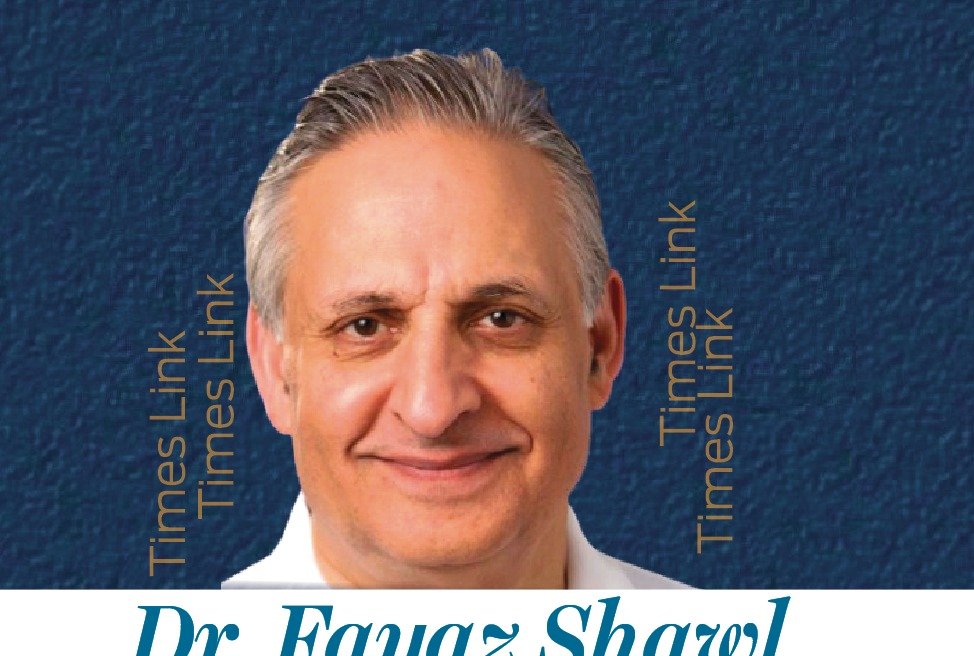
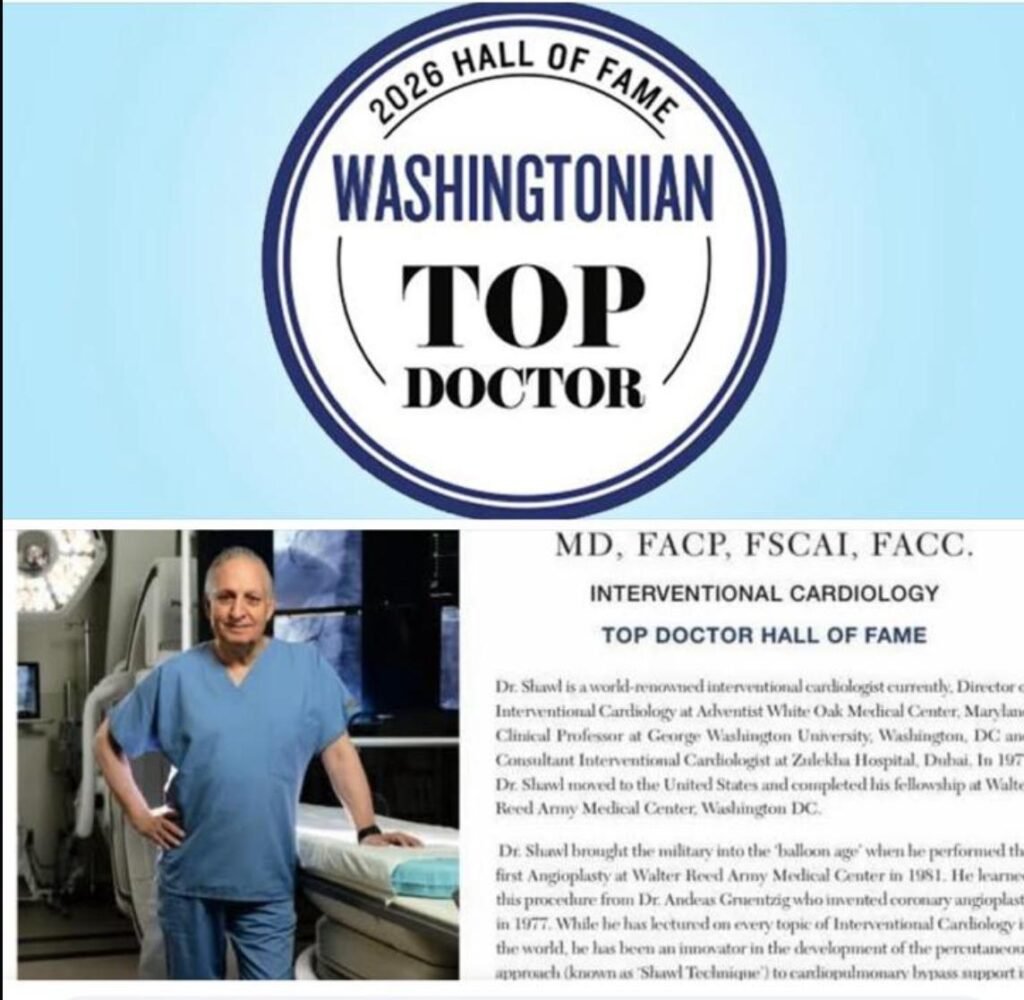
Dr. Fayaz Shawl’s journey—from the lanes of Shamaswari in Fateh Kadal Srinagar to the catheterization laboratories of Washington, D.C.—is a modern‑day “rags‑to‑renown” story rooted in sacrifice, perseverance, and an unwavering commitment to saving lives. He stands today not only as a world‑class interventional cardiologist and innovator, but also as a humble Kashmiri son whose hands have healed thousands and whose story continues to inspire countless young doctors across the globe. His story became a lesson in grit, vision, and service to humanity.
A Childhood Shaped by
Hardship and Hope
Fayaz was the son of Mr. Mohammad Saleem, a handicraft dealer, and grew up in a home where education and hard work were the only visible paths out of poverty. His father’s early death from stomach cancer, when Fayaz was just thirteen, left the family with almost no income; they relied on a small monthly support of 100 from his maternal uncle, Habib‑ullah Gundroo. Even as a teenager, Fayaz took on odd jobs to help his family, while his elder sister Farida and he both studied late into the night, determined to become doctors.
Fayaz had once dreamed of becoming a pilot, but his father’s untimely death moved him to choose medicine instead. After passing his matriculation on the second attempt, he studied for two years at S.P. College, Srinagar, before joining Government Medical College (GMC), Srinagar, where he earned his MBBS in 1972. At the college, he was an average student academically but stood out in cultural activities, winning the “Best Actor” award in college plays that were staged at the famous Tagore Hall.
The First Step into Rural Service
In 1973, fresh from medical school, Fayaz began his first posting as Assistant Surgeon at a remote dispensary in Shahdara Sharief, a mountain hamlet far from Srinagar. To reach this isolated area, he had to take a short flight to Jammu, then a ten‑hour bus ride to Rajouri, and finally a two‑ to three‑hour horseback trek to Shahdara Sharief. There he served as the sole medical officer for over 6,000 people, working as a family doctor, obstetrician, and minor surgeon rolled into one, and often acting as an informal arbitrator for local disputes on weekends.
This early experience taught him to face challenging clinical situations with improvisation, empathy, and humility—qualities that would later define his personality as a physician.
From England to the United States
In 1974, with barely $50 in his pocket and borrowed money for the ticket, Fayaz boarded a plane to England to complete his residency in medicine. After that rigorous training, he moved to the United States in 1977, where he began from “scratch” with an internship in internal medicine at Prince George’s Hospital in Maryland. His remarkable grasp of clinical medicine soon caught the attention of Dr. David Goldman, the chief of Medicine, who realised that continuing routine internal medicine training would be wasteful for someone of Fayaz’s caliber.
As a result, the last two years of his residency were waived, and he was fast‑tracked into cardiology fellowship training. He then completed his final cardiology fellowship at Walter Reed Army Medical Center in Washington, D.C., where he met the groundbreaking work of Dr. Andreas Gruentzig, the inventor of coronary angioplasty.
Bringing the Military into the “Balloon Age”
As a cardiology fellow, Fayaz heard about a live angioplasty course in Switzerland and overcame considerable hurdles to travel there and learn the technique directly from Dr. Gruentzig. On returning to Walter Reed, he launched an angioplasty program that changed cardiac care in the U.S. military.
In 1981, as Major Dr. Fayaz Shawl, he performed the firstpercutaneous transluminal coronary angioplasty (PTCA) in the entire United States military—Army, Navy, and Air Force—at Walter Reed Army Medical Center. The procedure faced strong opposition from senior cardiac surgeons who doubted its safety and long‑term value, but Fayaz and his colleagues demonstrated, through rigorous science and technique, that angioplasty was a viable alternative to open‑heart surgery. The Food and Drug Administration formally approved angioplasty in 1982, marking a turning point for minimally invasive heart treatment.
The “Shawl Technique” and Global Impact
Dr. Shawl soon became a global leader in interventional cardiology, pioneering the percutaneous approach—later known as the “Shawl Technique”for cardiopulmonary bypass support in high‑risk angioplasty and cardiac‑arrest patients. In 1988, he performed the world’s first percutaneous bypass‑supported coronary intervention, a landmark step toward safer, less invasive management of critically ill hearts.
Remarkably, since the introduction of this technique, there has been “no death” in the catheterization laboratory at Washington Adventist Hospital during the coronary interventions he performed—an extraordinary safety record. He has taught this and other advanced techniques through live demonstrations, satellite broadcasts, and workshops from Washington, D.C. to centers across Asia, Europe, and beyond.
A Bridge to South Asia
Dr. Shawl’s collaboration with Indian colleague Mr. V.M. Kasim, Chairman of Interventional Technologies Pvt, New Delhi, was pivotal in bringing interventional cardiology to South Asia. Their joint mission began at the All India Institute of Medical Sciences (AIIMS) in 1989, where Fayaz successfully demonstrated coronary pressure support (CPS) systems and laid the foundation for countless workshops across India, Pakistan, and Bangladesh.
Through long journeys from Rawalpindi and Lahore to Karachi and New Delhi, he performed hundreds of live cases while mentoring young cardiologists. Kasim later wrote that without Fayaz’s guidance, interventional cardiology in South Asia “would not have taken off” and would never have reached the level it enjoys today.
A record of innovation and awards
Dr. Shawl has performed over “19,000–20,000 interventional procedures” as a single operator, a record that placed him among the world’s most prolific interventionalists by 2001. He has been a pioneer in using advanced devices such as the Eclipse Holmium laser and the AngioTrax mechanical device forpercutaneous transluminal myocardial revascularization in end‑stage heart disease, first in research settings in New Delhi.
He also performed the “first mitral valvuloplasty” in the Washington, D.C. area in 1985 and the first aortic valvuloplasty there in 1986. Later, he turned his focus to stroke prevention, pioneering “carotid artery stenting” in the region and performing over “1,100 carotid stent cases” with a complication rate of less than 0.5%” in his last 600 cases using his “meticulous technique.”
He has also been at the forefront of transcatheter aortic valve replacement (TAVR) for high‑risk patients who cannot undergo open‑heart surgery.
Recognition as a Global Leader
Over the years, Dr. Shawl has received numerous national and international honors. He is a Fellow of the American College of Cardiology (FACC), American College of Chest Physicians (FCCP), American College of Physicians (FACP), American College of Angiology, and the Society for Cardiovascular Angiography and Interventions (FSCAI).
Among his awards are:
– Innovator Award from the Alliance of Cardiovascular Professionals (2002).
– Best Teachers Awards from residents, the Maryland State Senate, and the U.S. Congress (1992).
– National Leadership Award from the U.S. Congress
– He was also nominated “International Health Professional of the Year (2003)” by the International Biographical Centre in Cambridge, England. In 1998, the Fayaz Shawl Advanced Interventional Catheterization Laboratory was dedicated at Washington Adventist Hospital in his honor, a rare tribute to a living physician.
– The U.S. House of Representatives formally recognized him in 2011 as the “world’s foremost interventional cardiologist” citing his more than 18,000 procedures and his leadership in advancing cardiovascular care.
Heart, Hands, and Humanity
Beyond technique, what stands out about Dr. Shawl is his deep humanity. A letter from Judge Leonard Ruben, one of his patients, described him as a “living embodiment of the Hippocratic Oath,” praising his golden hands, genius‑like mind, and a heart “larger than the world itself.”
Dr. Richard Myler, who performed the first human coronary angioplasty with Dr. Andreas Gruentzig, wrote that while Dr. Gruentzig taught the concept of intervention, Dr. Shawl showed what is possible with imagination, courage, endless energy, and kindness. His former mentor at Walter Reed called him a global leader whose clinical and research contributions have placed him among the most distinguished figures in cardiovascular therapeutics.
A philanthropist with a Kashmiri Heart
Dr. Shawl established the “Dr. Fayaz Shawl Philanthropic Foundation, Inc.” to help indigent patients gain access to advanced cardiac care. During visits to Kashmir, he personally brought and donated thousands of dollars’ worth of coronary stents, catheters, and other equipment to SKIMS.
He once dreamed of building a modern cardiac center in Srinagar on a piece of land he had purchased, but the project was denied permission. Calling that day “probably the saddest day of my life,” he has decided to sell the land and direct the proceeds to charity, turning personal disappointment into another act of service.
Mentor, Teacher, and Role Model
Dr. Shawl has held concurrent academic appointments at Georgetown University, George Washington University, and the Uniformed Services University of the Health Sciences, while leading interventional cardiology programs at Washington Adventist Hospital and George Washington University Hospital. He runs an accredited interventional fellowship program, mentoring the next generation of cardiologists in the cath lab, where he loves to teach live procedures.
To young medical students, he emphasises simple but powerful advice: “work hard, seize every opportunity, and embrace new challenges”. For him, taking on difficult cases and learning new techniques have always been the most fulfilling parts of his career.
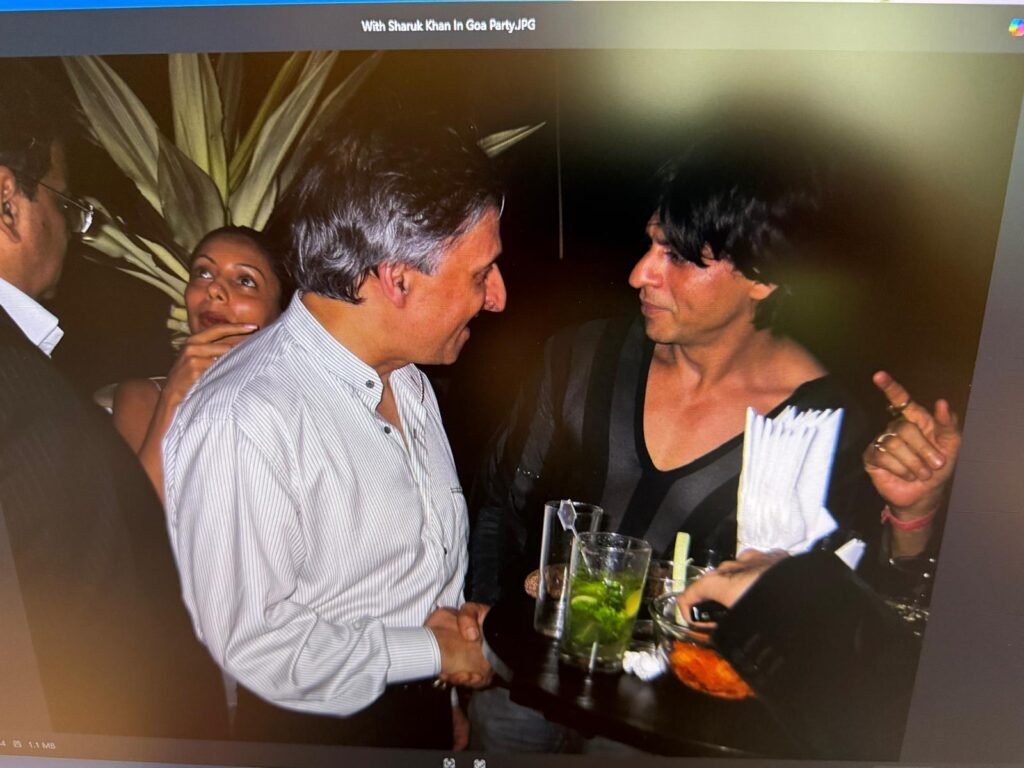
In response this Sharuk Khan said:
“It’s an honor to meet someone whose work truly matters at the deepest level. You give people a second chance at life. That’s far more meaningful than anything I do.”
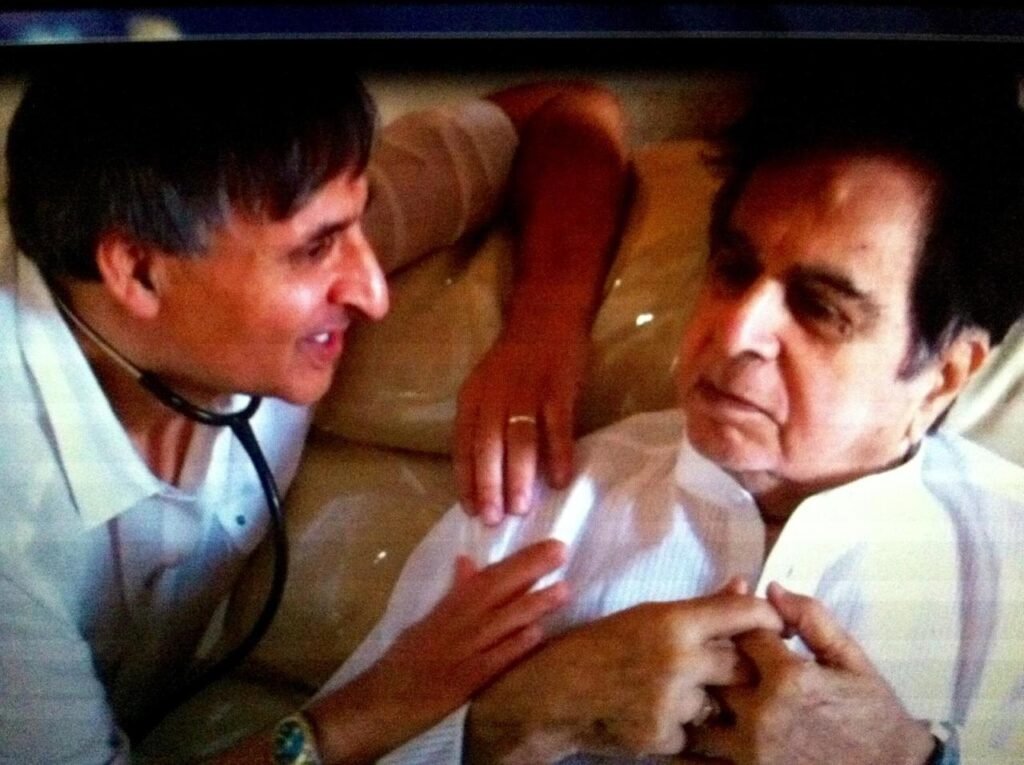
This photograph was taken by his wife Sara Banu when
Dr Shawl examined him at his home at Pali Hill in Mumbai.
Adventist HealthCare White Oak Medical Center