

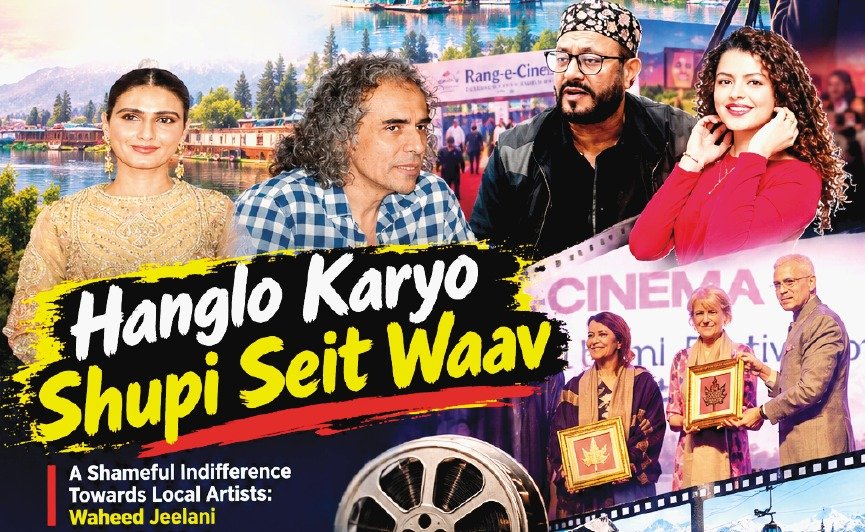
The Promise, the Gaps and the Road Ahead for J&K’s International Film Festival Jammu and Kashmir hosted its “first-ever” international film festival, Rang-e-Cinema, or the International Film Festival of Jammu & Kashmir (IFFJK), from September 7–10, 2026. Organised by the Department of Information and Public Relations (DIPR), J&K Government, in collaboration with NFDC, the festival was held across Srinagar, Jammu and Gulmarg. TIMES LINK Consulting Editor, Zahoor Zahid, conducted postmortem of this international show which lacked enthusiasm among the local masses (especially the cine-goers), wittingly or unwittingly, caused a local letdown. The intention is not to pull down the festival, but to see it grow into an event that Kashmir can genuinely be proud of.

Zahoor Zahid
Films are much more than entertainment; they are a reflection, record and expression of society and its culture. They capture the way people live, speak, celebrate, struggle, think and preserve their collective memories. In a culturally diverse country like India, cinema becomes an important medium for documenting and communicating the identity of different regions and communities. Documentaries, in particular, can preserve cultural heritage by recording languages, traditions, folk music, crafts, rituals, cuisine, landscapes and the stories of ordinary people; many of which may gradually disappear with time. In this sense, film becomes a living archive, preserving the cultural memory of a region for future generations while introducing its unique heritage to the wider world
Film festivals emerged in the late 19th century, with early film gatherings beginning around 1898 in Monaco. The Venice Film Festival, established in 1932, became the first major recurring international film festival and marked an important shift toward cinema as an international art form.
If an international film festival takes root in Kashmir and is professionally planned and sustained, it could generate enormous economic opportunities while creating tremendous goodwill and strengthening Brand Kashmir across the world.
After the Second World War, film festivals expanded rapidly. Cannes began in 1946, promoting artistic freedom and international cinema, while the Berlin International Film Festival (Berlinale), founded in 1951, became an important cultural event during the Cold War.
From the 1970s onward, festivals increasingly provided a platform for independent filmmakers and alternative voices. The Sundance Film Festival, established in 1978, became particularly influential in promoting independent features and documentaries.
Today, major festivals such as Venice, Cannes, Berlin, Toronto (TIFF), and Sundance play a vital role in discovering new talent, promoting diverse cinema, creating international markets, and shaping global film culture.
India has one of the world’s largest and most diverse film industries, producing films in numerous languages and genres. In fact, India remains the world’s largest film-producing country, with more than 2,500 films produced annually in recent data. This enormous cinematic output makes film festivals particularly important for discovering talent, promoting regional cinema and connecting Indian filmmakers with the international film community.
If we were truly celebrating cinema in Kashmir, talents such as Zameer Ashai, Tariq Javed, Ayash Arif, Bashir Budgami, Shafqat Habib and Deepak Kanwal, who assisted Dilip Kumar for many years, among others, deserved recognition too. Sometimes, acknowledging our own artists is the most meaningful tribute a festival can offer.
International Film Festival of India (IFFI), Goa:
Founded in 1952, IFFI is India’s premier international film festival and is recognised as a competitive festival by FIAPF. Since 2004, it has been held permanently in Goa. It brings together filmmakers, actors, critics, students and cinema lovers from India and abroad. Its Indian Panorama section, introduced in 1978, showcases the finest contemporary Indian films. IFFI, for example, now combines screenings with master classes, workshops, talent-development programmes and the WAVES Film Bazaar, creating a bridge between creative talent and the international film industry.
India’s major film festivals include MIFF, known for documentaries, shorts and animation; IFFK, celebrated for world and socially relevant cinema; KIFF, rooted in Kolkata’s rich cinematic tradition; and BIFFES, which promotes Indian regional and international cinema. Together, they provide important platforms for independent filmmakers, encourage cultural exchange and broaden audiences’ exposure to diverse forms of cinema.
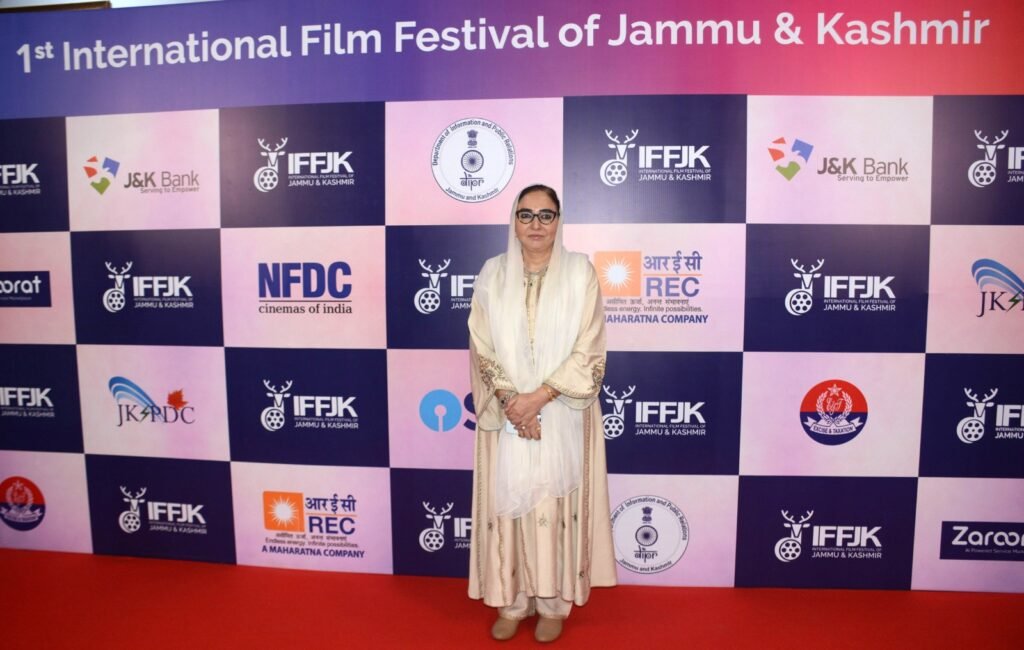
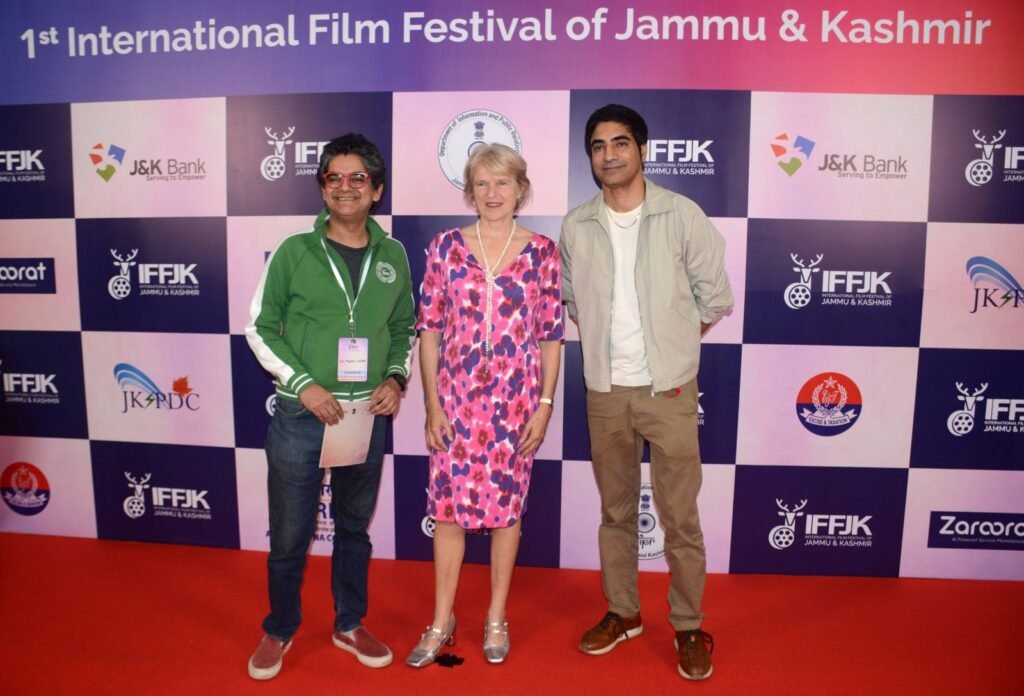
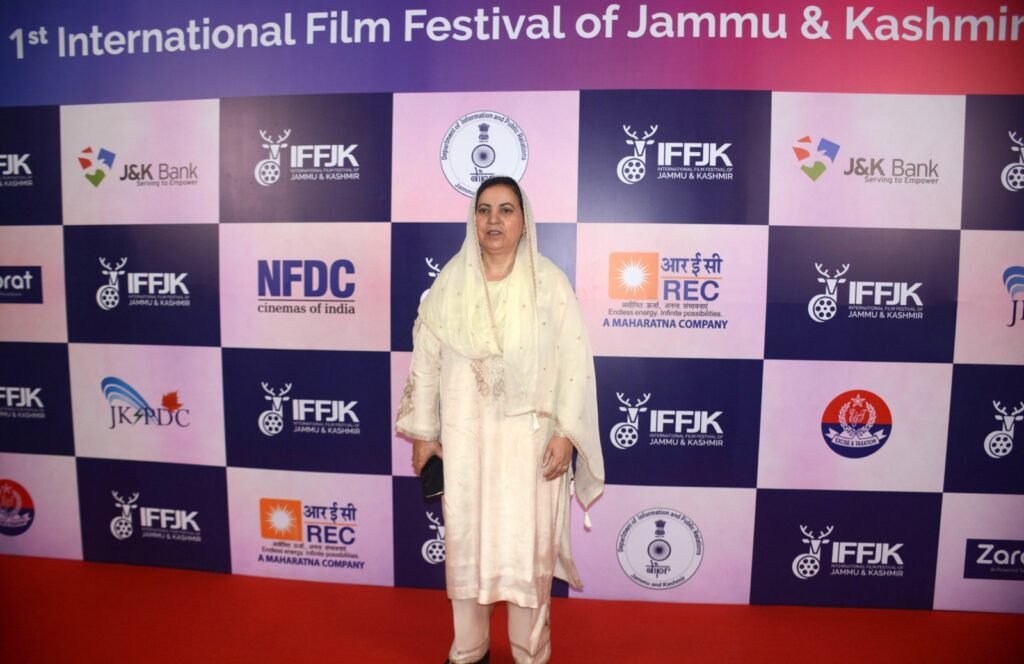
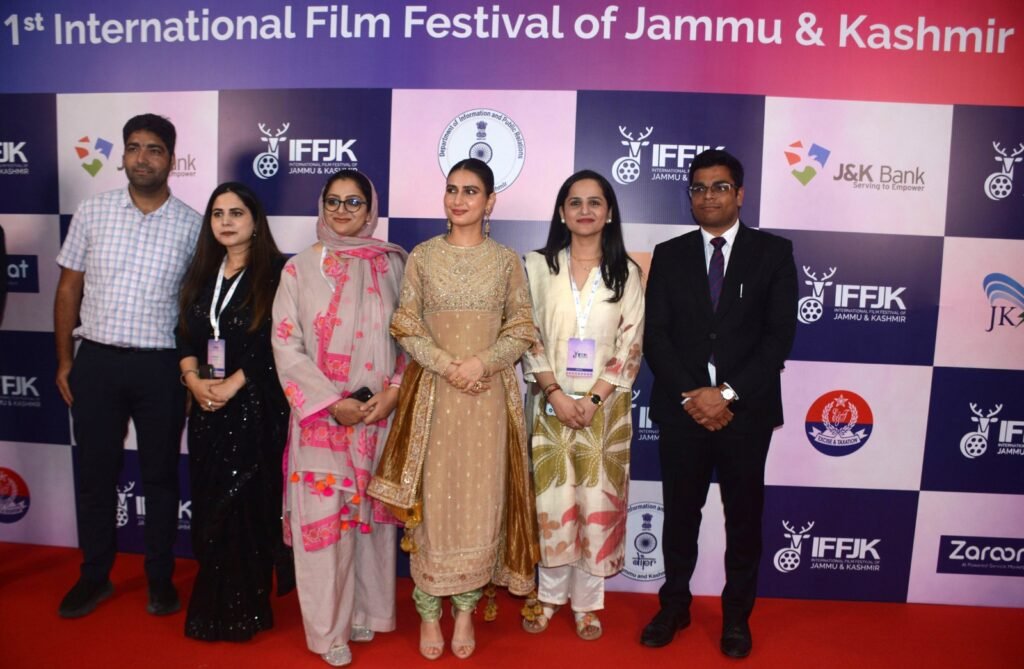
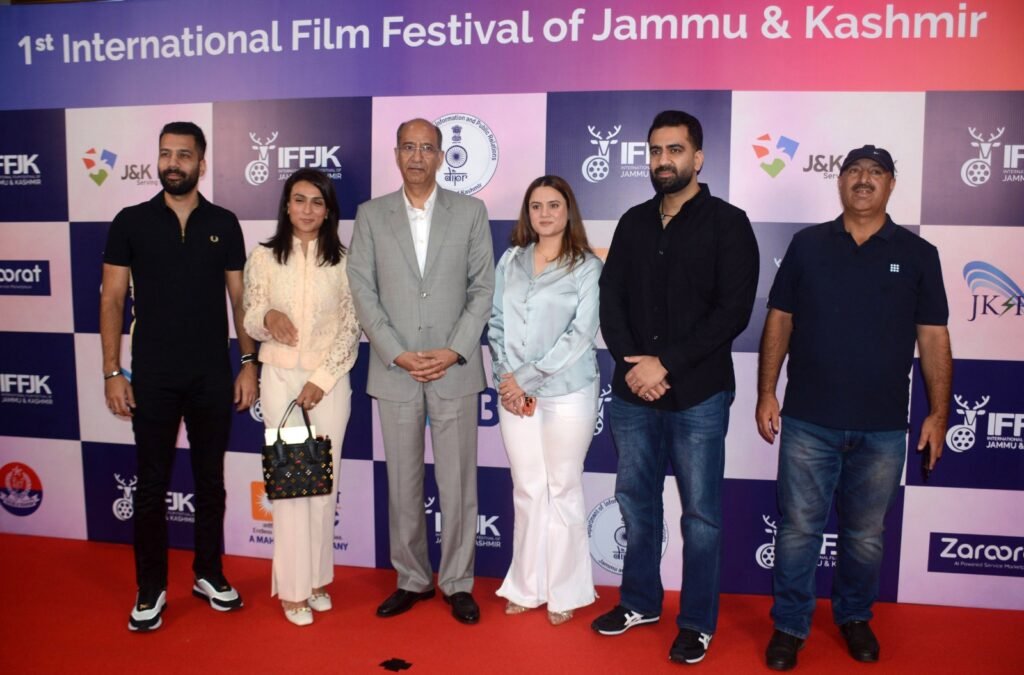
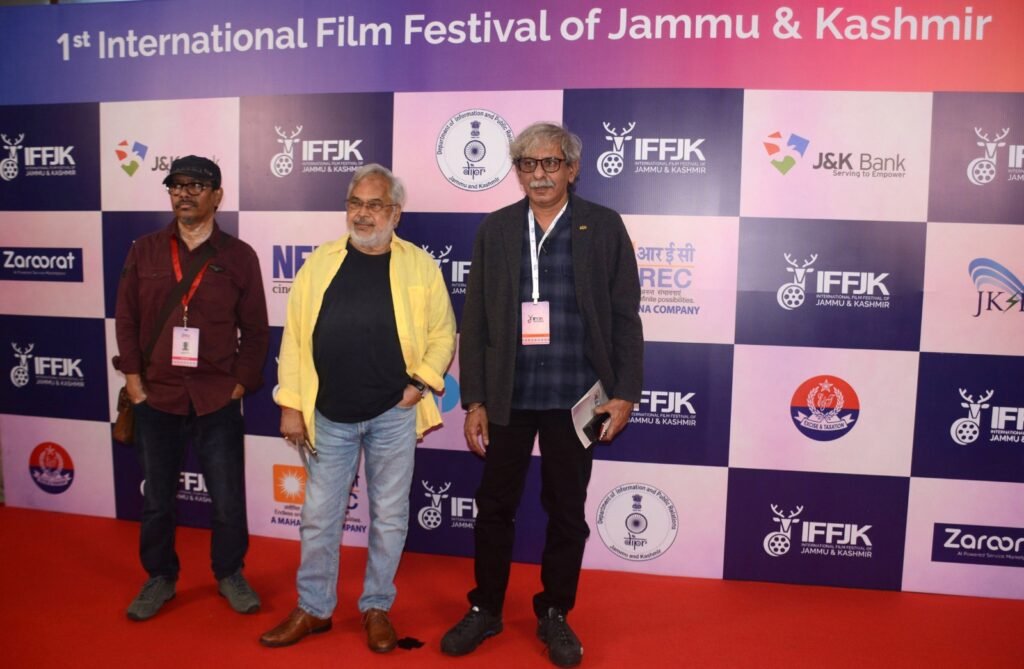
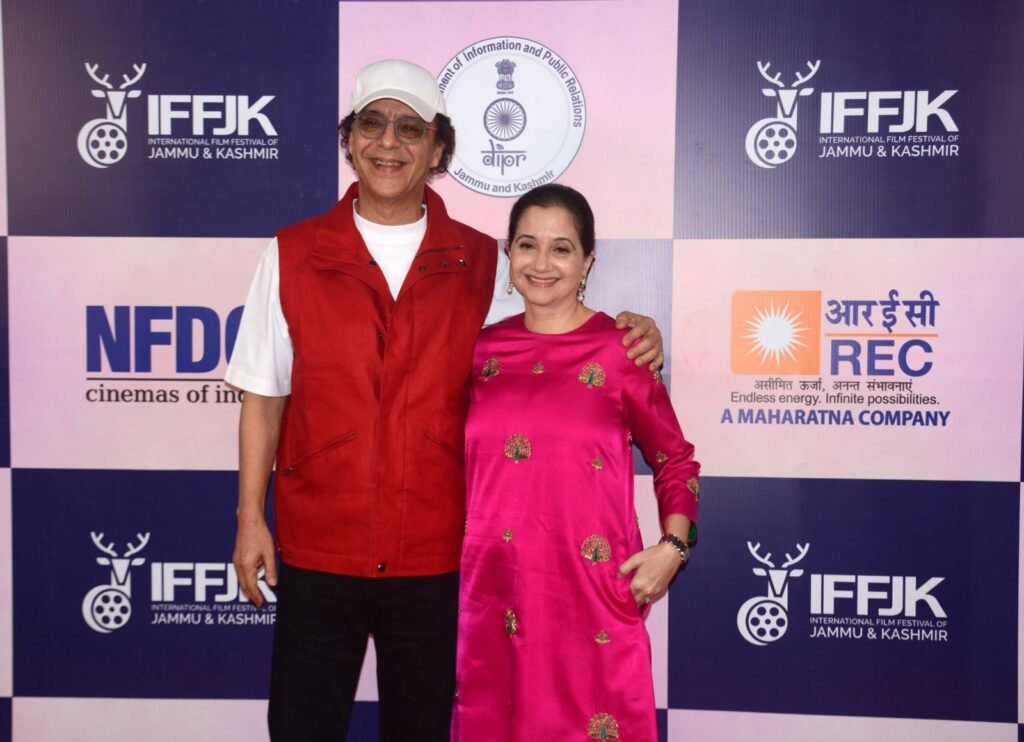
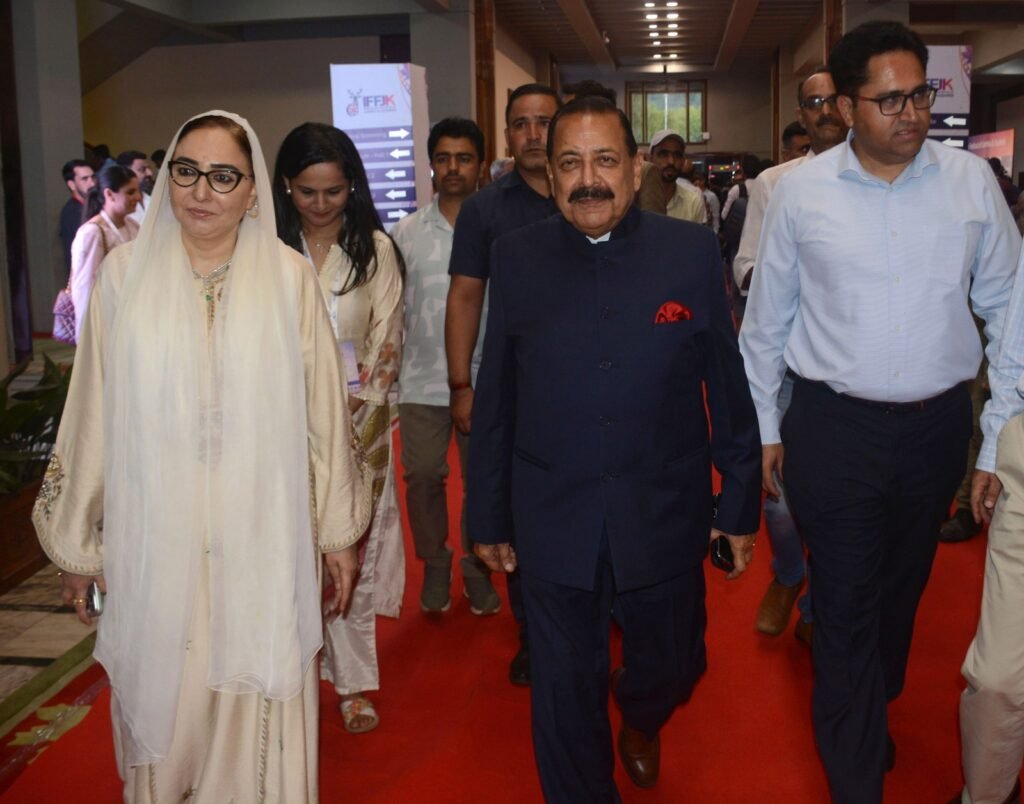
Jammu and Kashmir hosted its first-ever international film festival, Rang-e-Cinema, or the International Film Festival of Jammu & Kashmir (IFFJK), from September 7–10, 2026. Organised by the Department of Information and Public Relations (DIPR), J&K Government, in collaboration with NFDC, the festival was held across Srinagar, Jammu and Gulmarg.
A film festival is a specialised event requiring professional planning, coordination and experience. There is no dearth of experienced people in Jammu and Kashmir who understand the medium, know its requirements and, more importantly, know what to do, how to do it and who is best suited to do it. Their expertise could have made a significant difference.
Incidentally, this is not the first international film festival held in J&K. A modest but highly successful initiative was organised by filmmaker Ali Emran in 2007, but it could not continue due to the lack of suitable theatres and the enormous financial requirements involved.
The first truly international festival was organised by veteran actor-director Mushtaque Ali Ahmad in 2017 under the banner of the Kashmir World Film Festival(KWFF). Each subsequent edition improved upon the previous one. Therefore, it is factually incorrect to describe the present festival as the first international film festival of J&K.
The festivalshowcased135 films from 41 countries, selected from 875 (1185 in some official handouts) submissions representing 50 countries. With a total prize purse of Rs. 96 lakh across nine categories, the top awards include Rs. 25 lakh for Best Film, Rs. 15 lakh each for Best Director and Best Debut Film, and Rs. 10 lakh for Best Film–J&K Select.
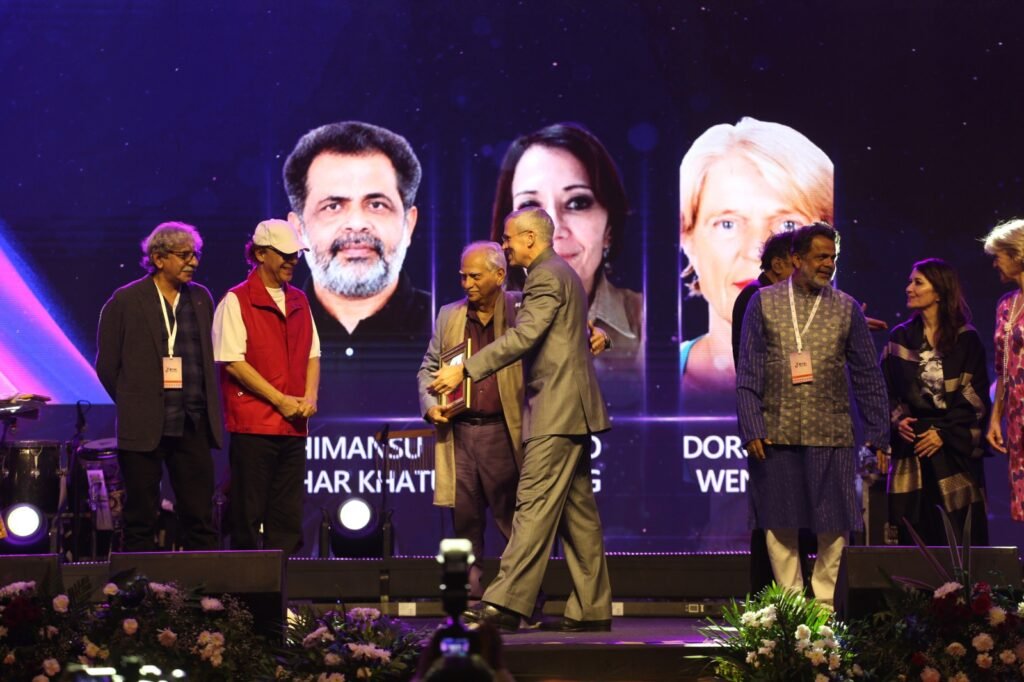
The five-member international jury included acclaimed filmmaker Santosh Sivan, Oscar-winning sound designer Resul Pookutty, Dorothee Wenner, Keiko Bang and Himansu Sekhar Khatua. Besides screenings, the festival featured masterclasses, panel discussions and interactive sessions, stated to be an important milestone in J&K’s engagement with the global film community.
The total number of films received for the festival was 1,184, which is indeed a huge number. The last date for receiving films was 31st August, while the festival dates were announced as 7th to 10th September.
This means that there were barely four to five days between the closing date for submissions and the beginning of the festival. It simply cannot be comprehended how nearly 1,200 films could have been properly previewed, assessed and shortlisted in such a short period. A proper selection process requires the Preview Committee to watch the films before selecting the best ones. But how could the preview process even begin before all the films had been received?
This raises a very genuine and important question about the functioning of the Preview Committee. When was the preview process actually started? How many members were on the committee? And how were nearly 1,200 films evaluated within such a limited time?
There is also an allegation that some films were handpicked. We do not want to make such an allegation without knowing the facts, but if this was indeed the case, then who authorised such a process and under what criteria was it done?
Visiting the festival on the first day was nothing short of anightmare. There was no proper festival layout; an essential requirement for any major film festival, so visitors had no idea where to go. There were no information counters or guides, leaving people to wander around and repeatedly ask for directions.
If films were selected without being subjected to a proper and transparent preview process, then the very objective of having a Preview Committee and an open submission process is defeated.
There is, therefore, a very simple but important question which deserves a logical and transparent explanation: How were 1,184 films received by 31st August, properly previewed and selected for a festival which began on 7th September?
The ill-preparation of the festival was evident from the fact that there was no logo-launching ceremony, despite this being labelled as the first international film festival organised by the Government. The festival brochure was released just two days before the festival and was sketchy, giving the clear impression that it had been prepared in haste and there were numerous changes which happened without notifying them.
Normally, a festival brochure is released well in advance so that filmmakers, audiences and cinema enthusiasts have adequate time to study the programme and choose films and venues according to their interests. Issuing it just two days before the festival reflects a serious lack of planning and preparation for an event of such importance.
The film festival appears to have descended into nothing short of chaos. The manner in which it was organised suggests that the administrators themselves were at sea, unsure of what needs to be done, how it should be done, and who should be responsible for doing it. Most of the arrangements seemed to have been made at the eleventh hour, which raises a fundamental question: why was a dedicated team of officers not assigned to plan and execute the festival well in advance?
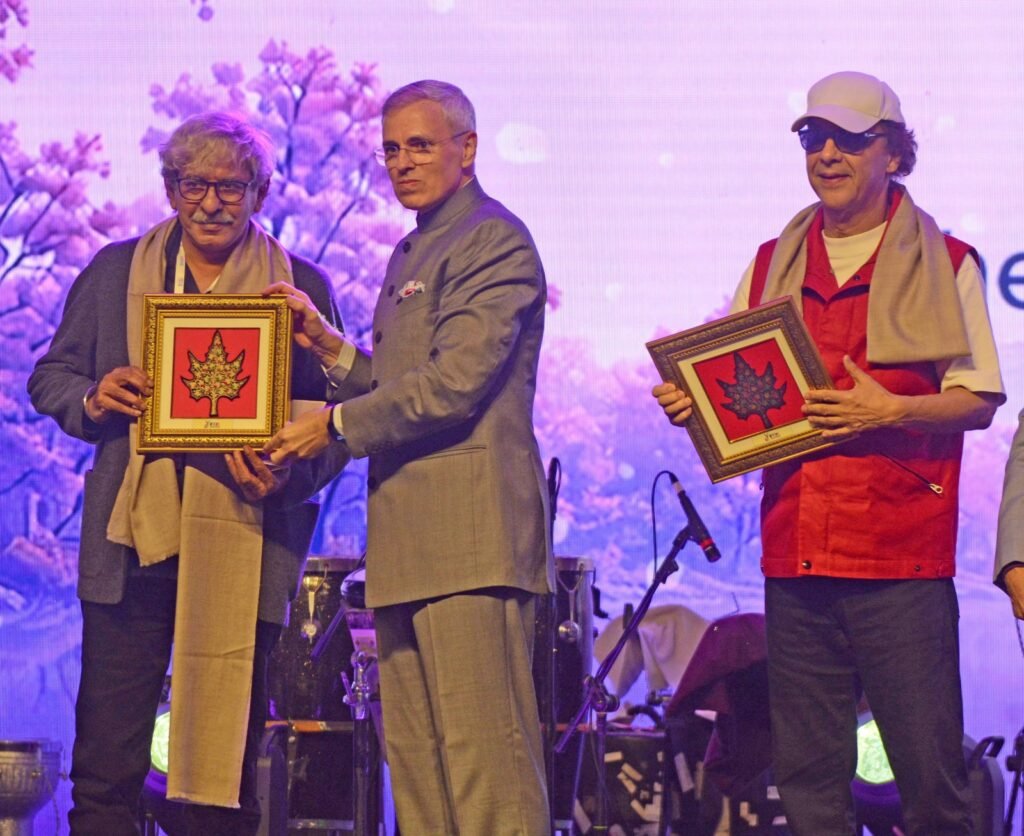
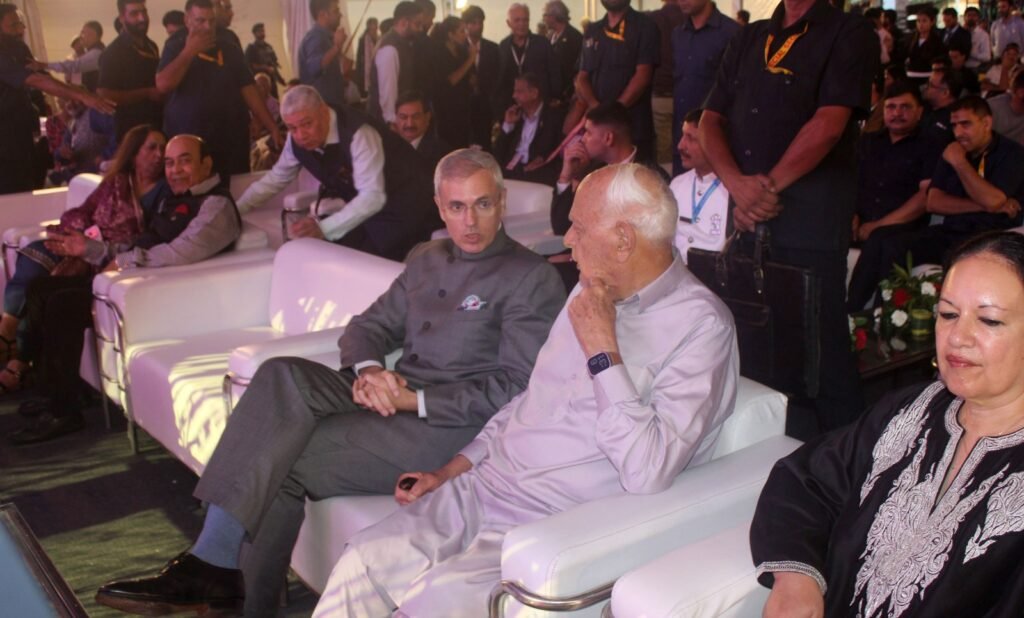
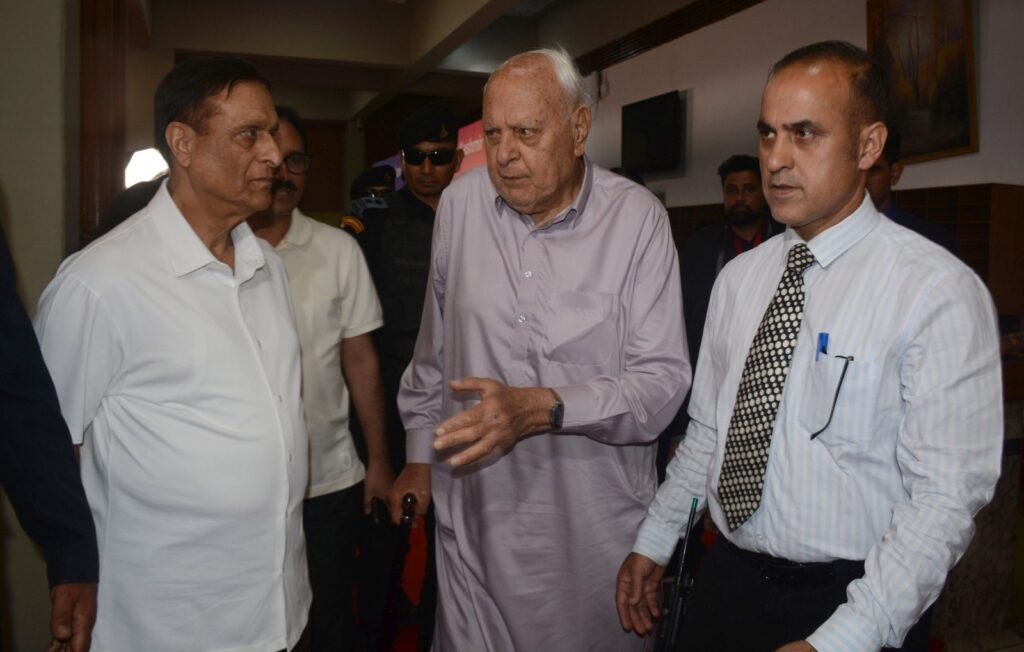
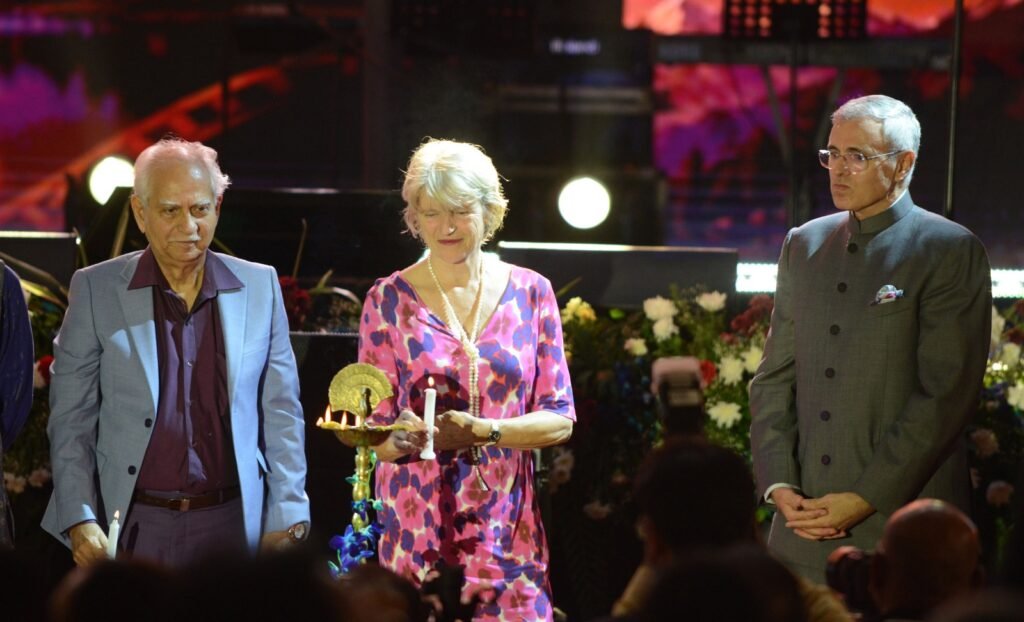
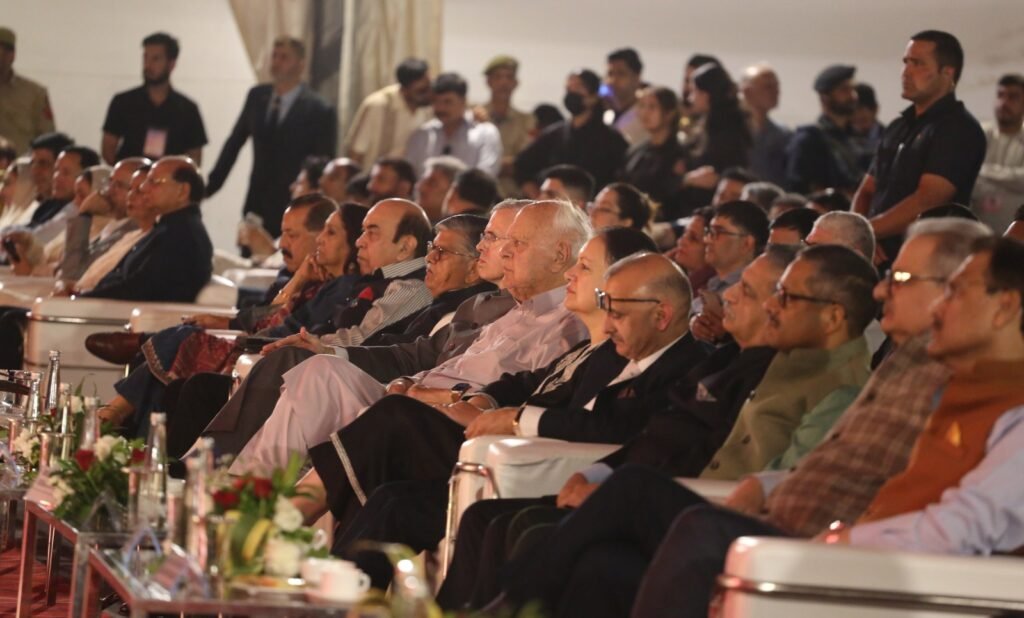
The opening ceremony was organised with much fanfare, with the Chief Minister claiming that the new film policy had renewed Bollywood’s connection with Kashmir through subsidies. This claim needs scrutiny, as no subsidies, to my knowledge, have so far been disbursed to either local or outside filmmakers. The single-window clearance is certainly welcome, but even that requires considerable running around and needs further streamlining.
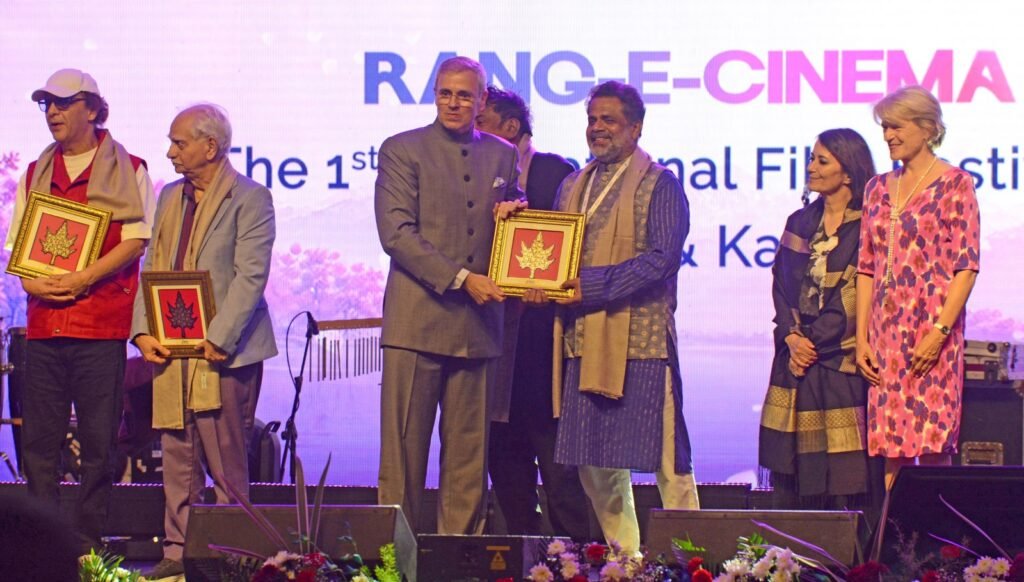
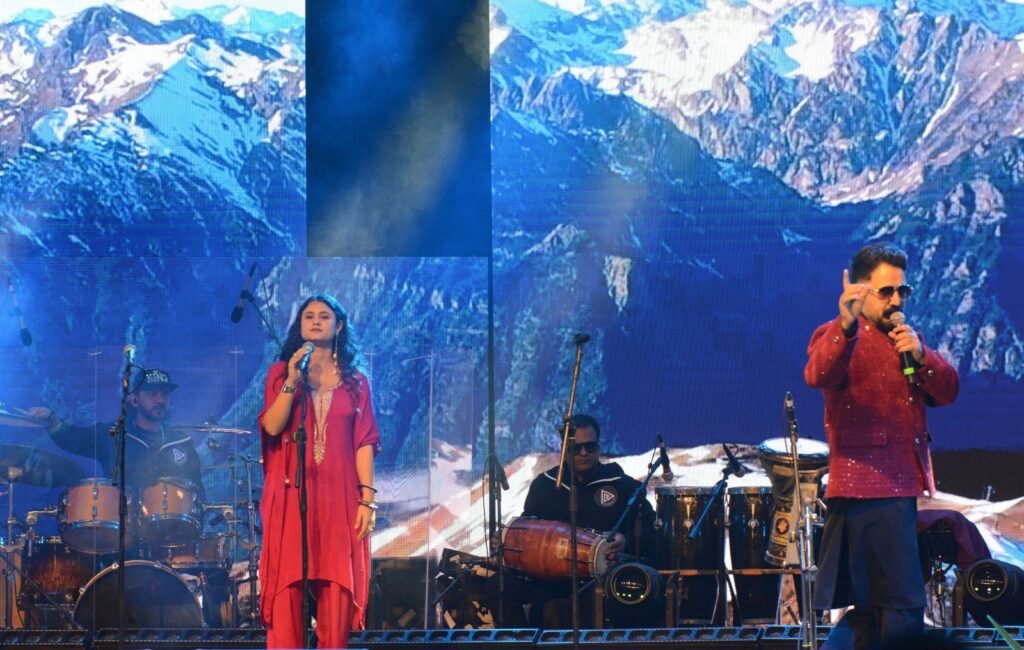
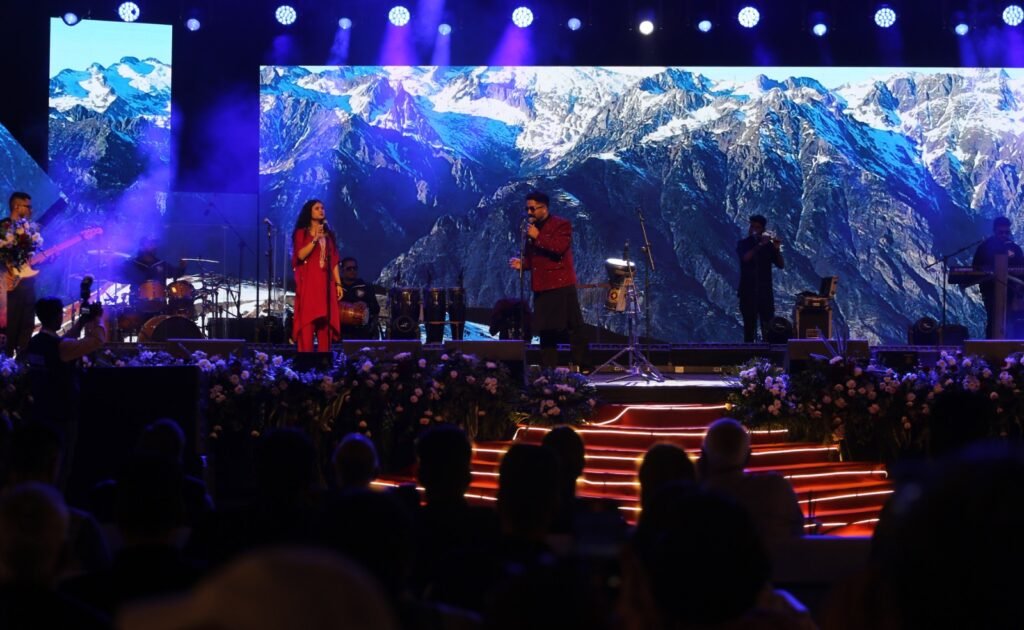
What hurt most, however, was the complete absence of Kashmir’s own cultural identity from the opening ceremony.Film festivals across the country proudly give their local artists a platform. Here, instead of showcasing our rich heritage, we were served a Bollywood-style spectacle.
When was the preview process actually started? How many members were on the committee? And how were nearly 1,200 films evaluated within such a limited time?
It would have been in the fitness of things to see a brief rendition of Sufiyanamusic, Kashmiri folk music, or a symphony of traditional Kashmiri instruments before the Bollywood extravaganza. A Kashmiri row song and a vulgar dance to western beats do not represent Kashmiri culture. If our own festival cannot showcase Kashmir’s artistic soul, who will?
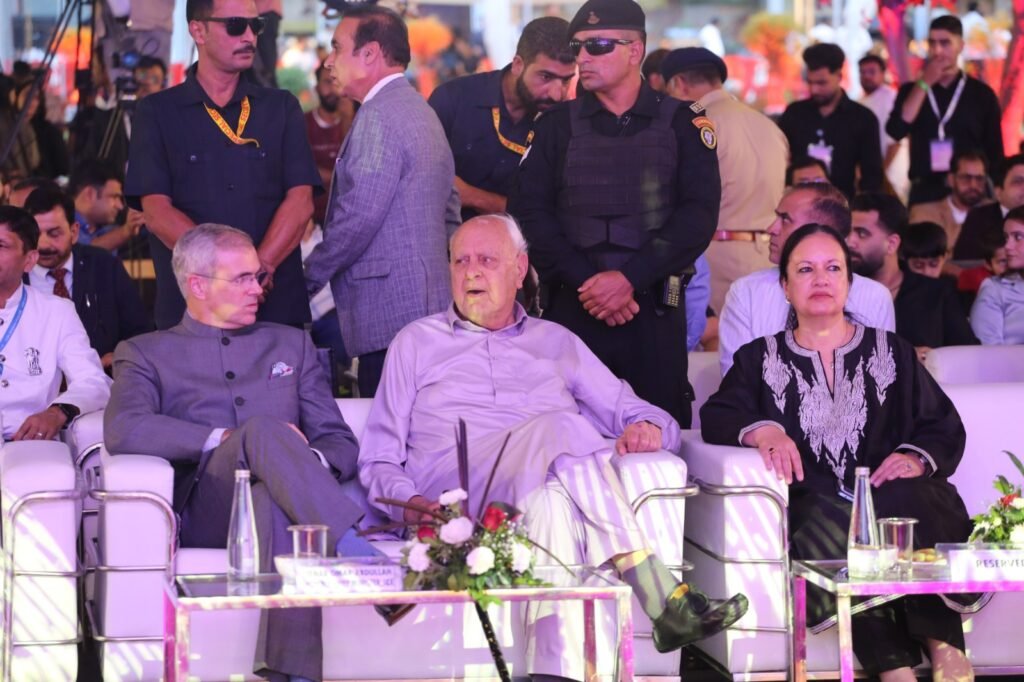
Perhaps the most heartbreaking aspect was the treatment meted out to local filmmakers and artists at the opening ceremony and closing ceremony, who had been formally invited but were denied entry because they had not been issued car passes. Is it not deeply humiliating to invite a filmmaker and then stop him at the venue gate? Such basic coordination should never have happened at a festival of this stature. These are the people who have spent decades contributing to cinema and should have been received with respect, warmth and dignity; not made to feel like unwelcome outsiders. An invitation means little if the gatekeeper is allowed to deny the very person invited.
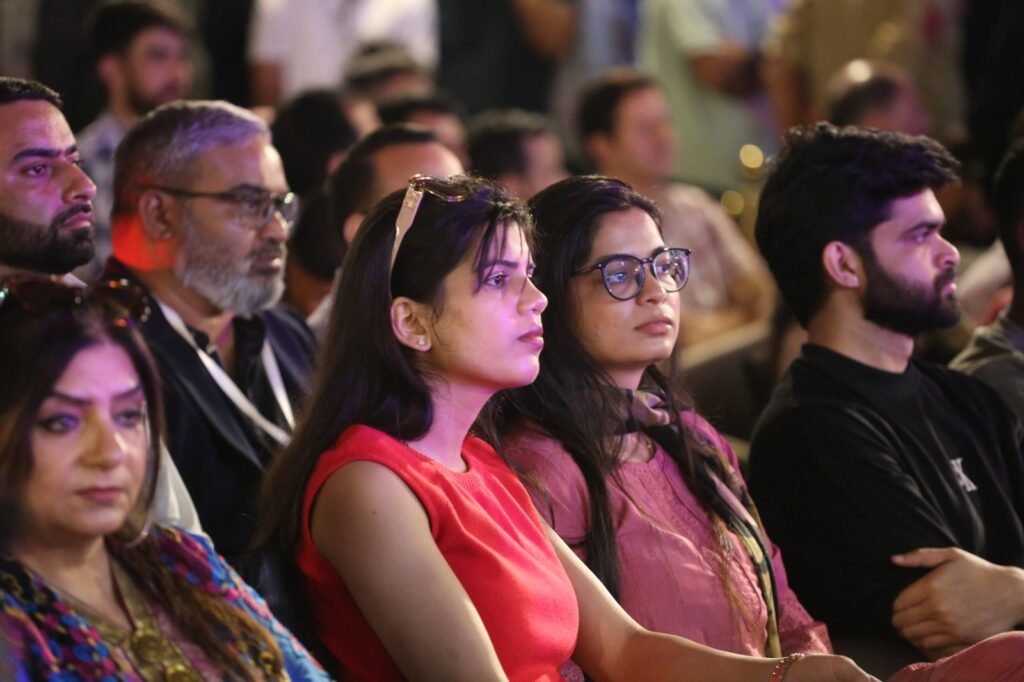
Visiting the festival on the first day was nothing short of anightmare. There was no proper festival layout; an essential requirement for any major film festival, so visitors had no idea where to go. There were no information counters or guides, leaving people to wander around and repeatedly ask for directions.
The festival’s masterclasses, held on the sidelines, were another missed opportunity. Attendance was disappointingly poor, largely limited to students from a few colleges, with the Central University Mass Communication students being a notable exception. The very people who could have benefited most; local technicians, cinematographers, aspiring filmmakers and serious film enthusiasts, were conspicuous by their absence, either because they were not invited or because they chose not to attend.
Equally telling was the presence of stalls from several states showcasing their film-making facilities and incentives. Strangely, J&K, the host, had no such stall. It was a glaring omission and a disturbing reflection of how little seriousness we appear to attach to building and promoting our own film industry.
The screening arrangements were equally disappointing. Films were shown in two makeshift tent halls in SKICC, that were suffocating and completely unsuitable for film screenings. The chairs were not arranged in descending tiers, as they are in proper cinema halls, and people sitting in front blocked a substantial portion of the screen. I could barely watch for five minutes and had to walk out because I could not even read the subtitles at the bottom of the screen. There were very few screenings in INOX which should have been a prime destination with three screens. For a festival claiming international stature, such basic shortcomings are simply unacceptable.
It was strongly feel that the festival should have had a dedicated “Kashmir Panorama” section showcasing major films made on Kashmir since Independence; a fitting tribute to the region’s own cinematic heritage.
It could have begun with Kashmir Hamara Hai 1948(K.K. Verma), Pamposh (Ezra Mir, 1952), Shair-e-Kashmir Mehjoor(Prabhat Mukherjee and Pran Kishore Kaul), Mainz Raath (Pran Kishore Kaul), Akh Daleel Lo’lich (Arshad Mushtaq), Partav(Dilnawaz Muntazir), and many other significant works.
There is also an allegation that some films were handpicked. We do not want to make such an allegation without knowing the facts, but if this was indeed the case, then who authorised such a process and under what criteria was it done?
Sadly, no such thought seems to have been given to the cinematic history of the very land hosting the festival. An international festival in Kashmir should not merely bring the world to Kashmir; it should also introduce the world to Kashmir’s own cinema.
The choice and distribution of venues was another serious problem. The venues were spread so far apart that attending films becomes a logistical nightmare, SKICC, INOX, Gulmarg and Jammu. If a viewer wants to watch one film at a particular venue and then rush to another venue for a second screening, reaching there within the available time is practically impossible. A festival is meant to encourage audiences to watch films, discover new cinema and participate in discussions, not spend a substantial part of their time travelling between venues.
A film festival is a specialised event requiring professional planning, coordination and experience. The Government couldand should have sought the assistance of people locally who have actually organised, produced, curated or managed film and cultural events. There is no dearth of experienced people in Jammu and Kashmir who understand the medium, know its requirements and, more importantly, know what to do, how to do it and who is best suited to do it. Their expertise could have made a significant difference.
The problem, therefore, is not merely one of execution; it reflects a lack of proper planning and an inadequate understanding of how a contemporary film festival should function. A successful festival requires months of preparation, professional curation, coordinated scheduling, accessible venues, audience management and a dedicated team that understands cinema. Good intentions alone cannot produce a successful film festival. Professional expertise, advance planning and local experience are equally essential.
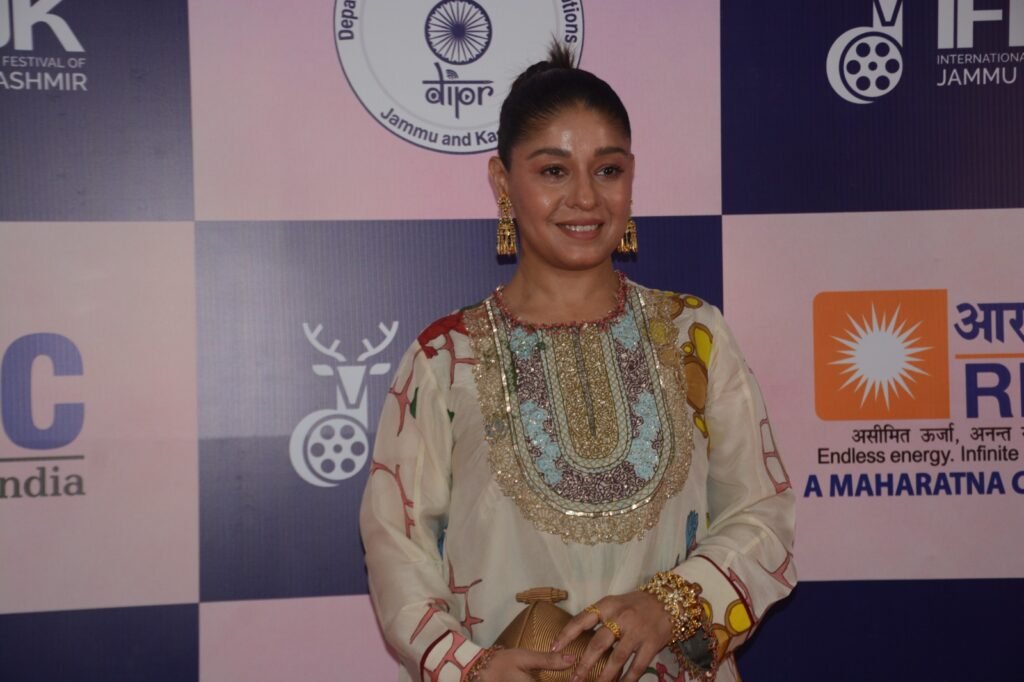
Finally, a heartfelt tribute to all those who made their mark at the festival. Whisper My Name (Ziba Seda-yam Kon), directed by Rasoul Sadr Ameli of Iran, deservedly emerged as the Best Film in the Feature Category. Congratulations also to Kapil Mattoo and the Tasrufdaar team for winning the Best Film (J&K Select), Baba Tassaduq Hussain for Best Cinematography, Sara Francis for Best Sound Design, and Dieter Diependaele for Best Editing.
We at TIMES LINK extend warmest wishes to all the winners, particularly the Tasrufdaar team and Baba Tassaduq Hussain. We are personally delighted to see Tassaduq go from strength to strength and establish himself as an ace cinematographer.
Yet, if we were truly celebrating cinema in Kashmir, talents such as Zameer Ashai, Tariq Javed, Ayash Arif, Bashir Budgami, Shafqat Habib and Deepak Kanwal, who assisted Dilip Kumar for many years, among others, deserved recognition too. Sometimes, acknowledging our own artists is the most meaningful tribute a festival can offer.
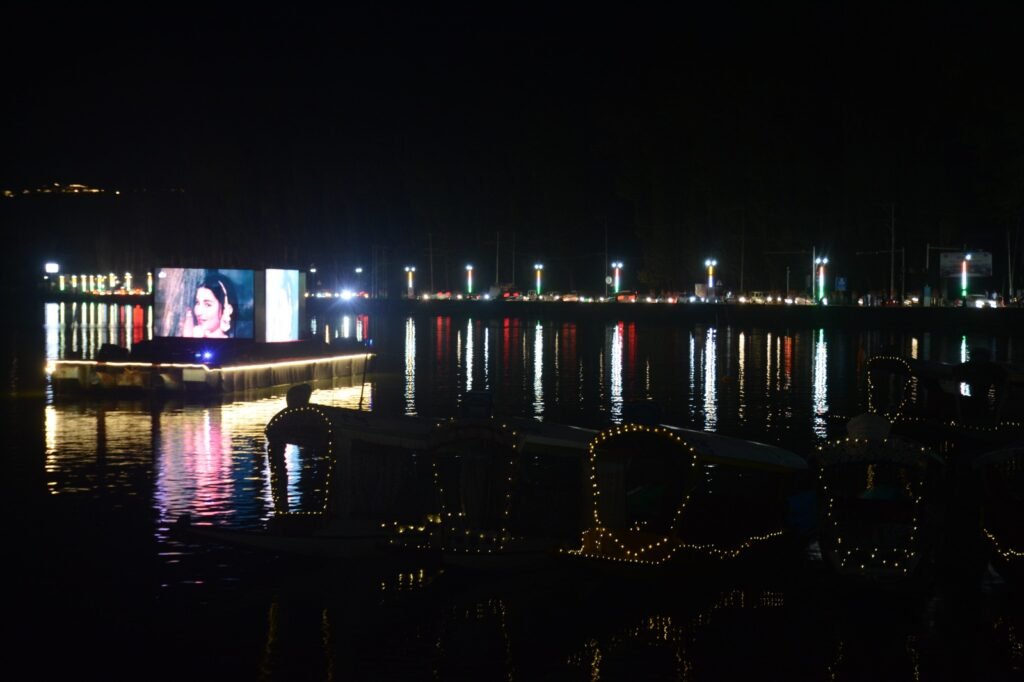
Meanwhile, let it be clear that this article is not meant to be merely a criticism of the festival. It is a reflection of the aspirations of Kashmir’s film fraternity and an honest attempt to point out the gaps so that the same mistakes are not repeated. The intention is not to pull down the festival, but to see it grow into an event that Kashmir can genuinely be proud of.
A film festival is far bigger than films and screenings. It brings together tourism, hospitality, local line producers, technicians, artists, artisans, transporters and a whole range of allied industries. If an international film festival takes root in Kashmir and is professionally planned and sustained, it could generate enormous economic opportunities while creating tremendous goodwill and strengthening Brand Kashmir across the world.
The organisers, therefore, should not shy away from discussing what went wrong. Every shortcoming is an opportunity to improve. We at TIMES LINK sincerely hope that a professional team of experienced festival planners, filmmakers and local stakeholders is constituted well in advance to prepare for next year. With proper planning, transparency and professionalism, the festival can evolve into a truly world-class event.
Kashmir has the locations, the talent, the hospitality and the stories. What it now needs is the vision and professional planning to bring them together. Our criticism comes from that hope and from a deep desire to see Kashmir’s cinema, artists and culture receive the place they truly deserve.
The first festival may have had shortcomings. Let the next one have the wisdom to learn from them.