

My relationship with the Army was entirely professional as I used to supply computer hardware and other digital devices. The allegation that I was associated with the Ikhwan emerged only after I entered electoral politics. Before that, I was widely known simply as an engineer and businessman.
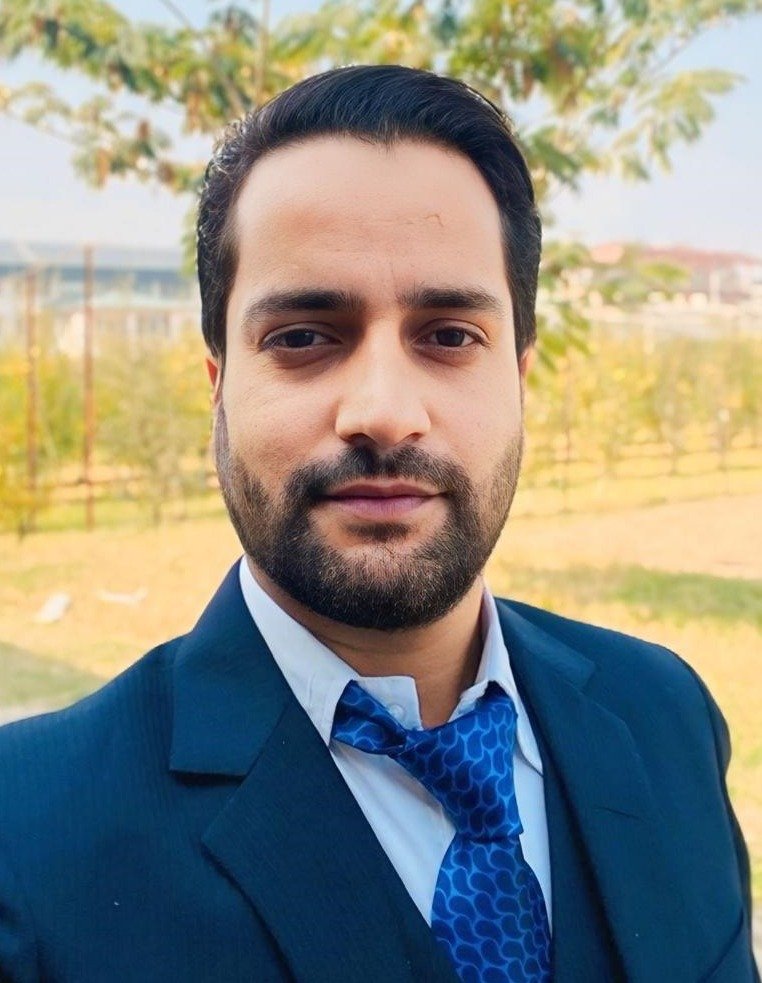
Dr. Umer Iqbal
(Executive Editor)
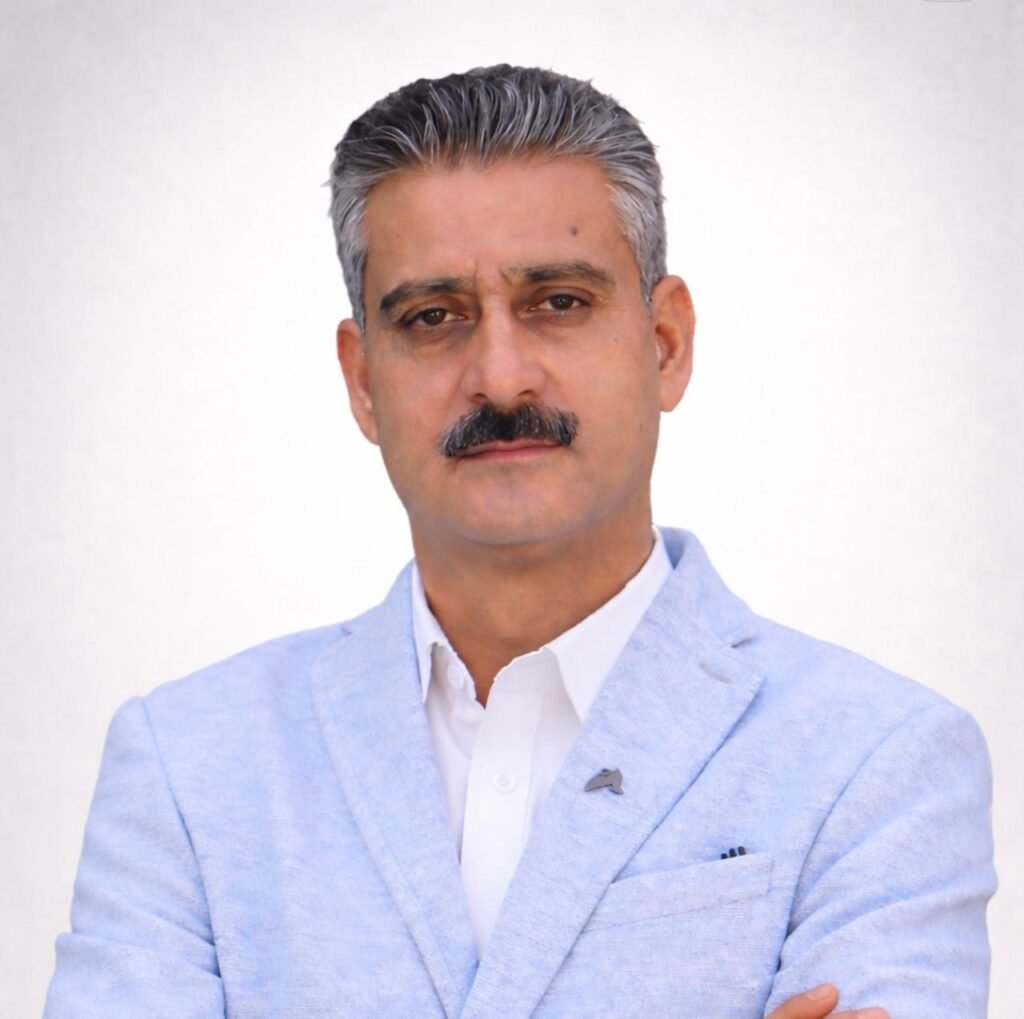
Jammu and Kashmir is a place where we have seen an army of youth showing passion towards social work and taking route to politics to empower themselves for public service. Those youth who have successfully marked their presence on the socio-political platform have been scripting inspiring stories, not before getting hit by controversies. TIMES LINK Executive Editor Dr Umer Iqbal (UI) had a conversation with one such youth, Er. Hilal Ahmad Shah (HS), from Kashmir in Anantnag. He shared his thoughts on controversies that surround him while entering into public service and politics. The excerpts of the conversation:
UI: You are known as an engineer, entrepreneur, administrator, sports promoter, and politician. Which identity is closest to your heart?
HS: Without hesitation, I would say social work. It is the foundation of everything I have done. My political journey was not born out of an ambition for power but from a desire to serve people more effectively.
The turning point came in 2005 when I was returning from Kehribal and saw children in Krangsoo playing in freezing weather with almost no warm clothing. That sight deeply affected me. Through my media channel, Panin Kashir, I organized the distribution of nearly 480 traditional pherans among poor families.
During the distribution, village elders handed me applications describing unresolved public grievances. Initially, I felt helpless because I was only a businessman. Months later, those same elders came to my office after waiting for hours, hoping I could solve their problems. One elderly man, denied his old-age pension, asked me where he should go if I could not help him. Their faith in me changed my life.
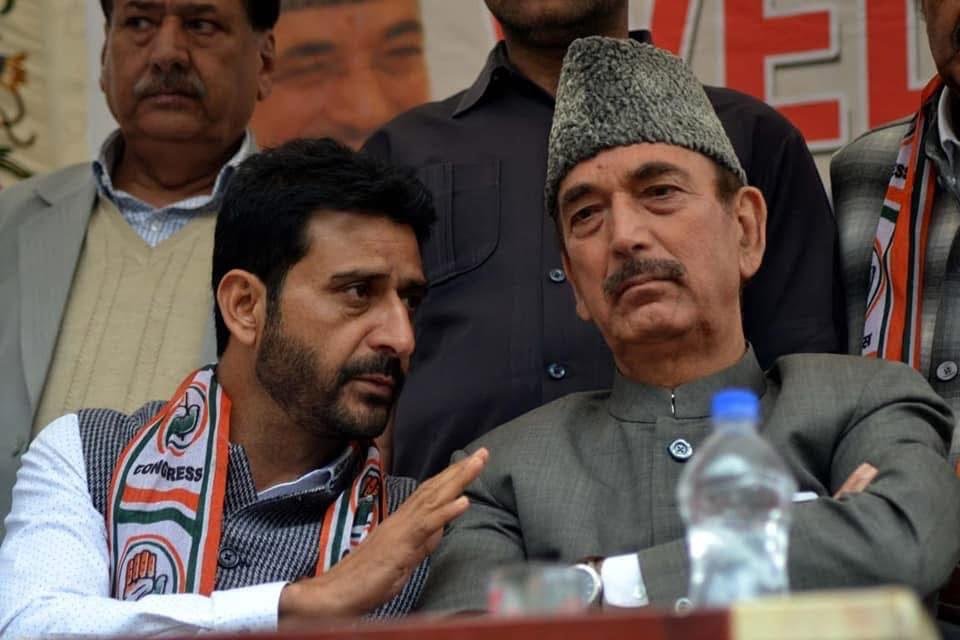
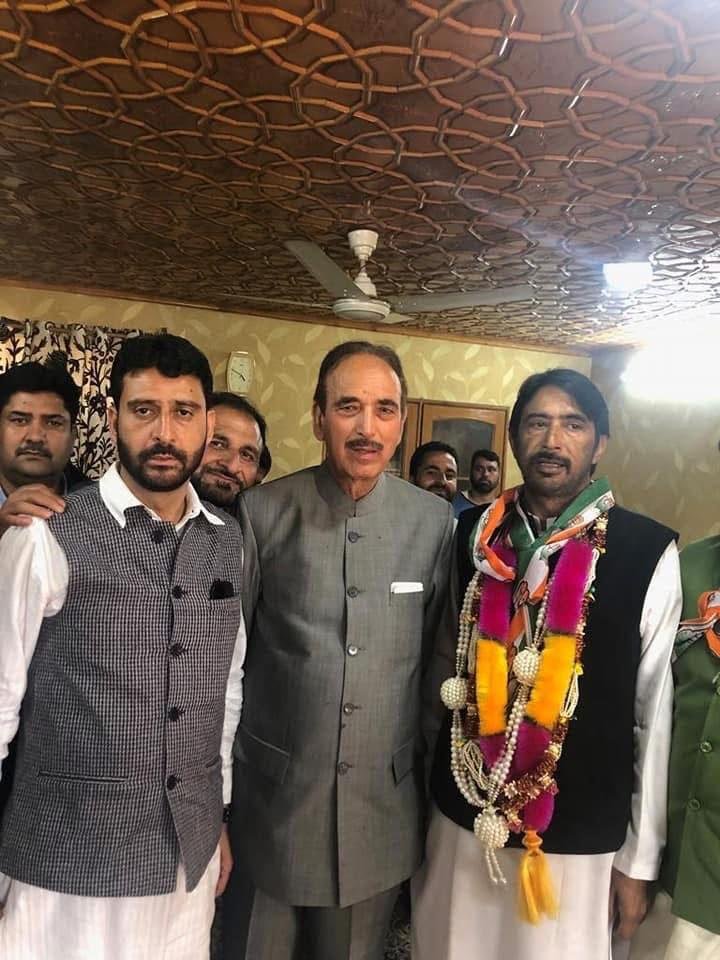
When I approached government offices, I experienced bureaucratic indifference. A District Social Welfare Officer dismissed the case casually. Later, I contacted senior Congress leader Ghulam Ahmad Mir, who resolved the issue with a single phone call. That moment made me realize that politics, when used honestly, can become a powerful instrument of public service.
Another important lesson came during Ramadan in 2012 while listening to Maulana Tariq Jameel. His message about sincerity in charity transformed my outlook. From then on, I believed service should be performed for the pleasure of Allah rather than for recognition. That principle continues to guide my work.
UI: Before politics, you built a successful career as an engineer. How did that shape your outlook?
HS: I studied at Jawahar Navodaya Vidyalaya before completing Electronics and Communication Engineering in Bangalore. My father, a schoolteacher, struggled to educate both me and my elder brother. We survived on a monthly allowance of just 1,000, covering rent, food, books, and every other expense. Those hardships taught me discipline and resilience.
When I returned to Kashmir in 1997, I declined the idea of a government job and instead established my own technology business. My father borrowed 1 lakh to help me begin. I introduced digital medical equipment, computer hardware, UPS systems, and IT services to Kashmir at a time when these technologies were virtually unknown.
I repaired computer systems, supplied institutions, trained doctors and technicians, and computerized schools across South Kashmir. Gradually, my company became one of the region’s leading technology enterprises.
The Ikhwan Allegations: Engineering Studies Kept Hilal Shah Away as He Returned to Kashmir in 1997, After Ikhwan’s Peak (1995–96).
UI: Your work with the Army during the late 1990s has often been used by political opponents to associate you with the Ikhwan. How do you respond?
HS: I appreciate the opportunity to answer this directly because rumours have replaced facts for many people. When I returned to Kashmir in 1997 after completing my engineering degree, the active Ikhwan period had already ended. Throughout the peak years of militancy, I was studying in Bangalore. My educational records, attendance, and degree documents are publicly available and have been declared in every election affidavit.
My relationship with the Army was entirely professional as I used to supply computer hardware and other digital devices. As an engineer and technology supplier, I repaired computer systems, supplied equipment, and later executed government contracts through open tenders. During those years, technical expertise was scarce in Kashmir, and many institutions including Army establishments required local engineering support. Eventually my business expanded into general supplies and civil works. Through competitive tenders, we executed projects under the Army’s Sadbhavana programme, including schools, bridges, sports facilities, and other public infrastructure.
The allegation that I was associated with the Ikhwan emerged only after I entered electoral politics. Before that, I was widely known simply as an engineer and businessman.
There is another important fact. During the same period, I maintained excellent professional relations with Advocate Fayaz Sodagar, who was associated with the Hurriyat Conference. He supplied Microtek products, while I purchased hardware from him for my business. If I had any hidden association with the Ikhwan, such a professional relationship would never have existed. These accusations are political propaganda rather than historical fact.
UI: When did social work transform into electoral politics?
HS: By 2006, I had become fully involved in organized public service and received the State Social Activist Award. Gradually, I realised that helping a handful of people personally was not enough. Politics offered the possibility of helping thousands.
Ghulam Ahmad Mir encouraged me to enter public life. Although the Congress leadership initially considered giving me a ticket for the 2008 Assembly election, internal party decisions favoured another candidate. My supporters insisted I contest independently instead of withdrawing. I respected their collective decision. We entered the election independently and secured nearly 1,800 votes, finishing ahead of the official Congress candidate. That result convinced the Congress leadership that we had built a genuine grassroots base, leading to my formal induction into the party in 2009. From 2009 onwards, I spent five years strengthening the organisation across Anantnag, preparing for a much larger political challenge.
UI: After joining the Congress, you contested against one of Jammu and Kashmir’s tallest political leaders, Mufti Mohammad Sayeed, in the 2014 Assembly election. What was that experience like?
HS: Contesting against Mufti Mohammad Sayeed was both challenging and educational. He was a statesman with decades of political experience, while I represented a younger generation trying to establish itself. We fought a respectful campaign based on public outreach rather than personal attacks. Although I lost the election, I considered it a valuable political education. The campaign helped me understand people’s aspirations, administrative shortcomings, and the realities of governance at the grassroots level. Every election teaches lessons, and that experience strengthened rather than discouraged me.
The 2016 by-election presented another opportunity. Once again, I contested because I believed democratic participation is essential regardless of the political environment. Victory and defeat are temporary, but public trust is earned over years of consistent work.
Municipal Elections During the Boycott
UI: In 2018, you entered the Urban Local Bodies elections when most mainstream parties had boycotted the process. Why did you contest?
HS: Many advised me not to participate because of the security situation. However, I believed that abandoning local governance would leave ordinary citizens without representation. Municipal institutions directly affect sanitation, roads, drainage, waste management, and public health. Someone had to take responsibility. By the grace of Allah, our team secured a majority, and on 28 October 2018, I became Chairman of the Anantnag Municipal Council.
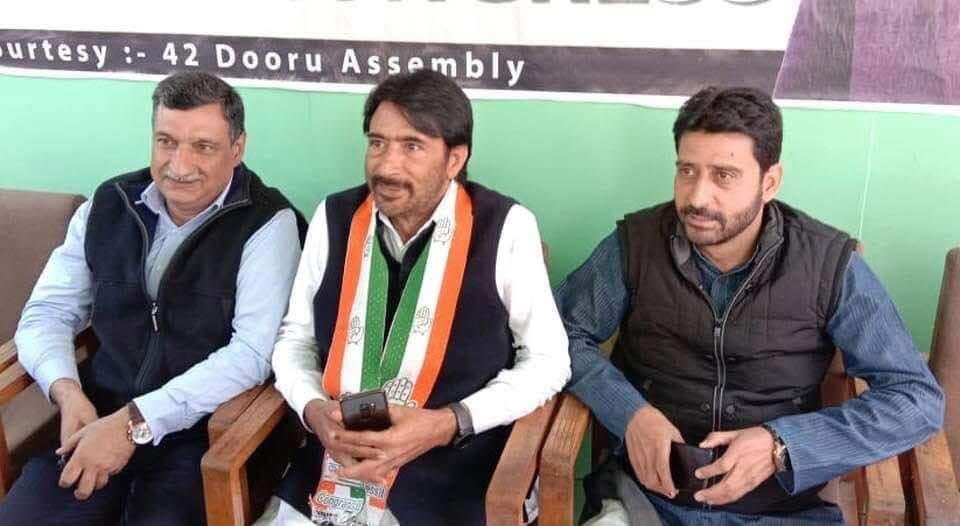
When I entered office, I spent nearly twenty days studying the Municipal Act. Before exercising authority, I wanted to understand every legal power and every administrative responsibility entrusted to the institution.
Modernising the Municipality
UI: What were your priorities after assuming office?
HS: The municipality required structural reform more than cosmetic changes. We immediately prepared plans for a clock tower at Lal Chowk, a modern marriage hall, a comprehensive drainage system, improved waste management, and urban beautification. Unfortunately, because I belonged to the opposition Congress, many important development files remained pending for nearly two years. Instead of becoming frustrated, we concentrated on areas where immediate improvements were possible. We modernised the municipal office, introduced accountability across departments, strengthened engineering and sanitation wings, and upgraded equipment.
Before our tenure, the municipality possessed only one outdated sanitation vehicle. We expanded the fleet with high-pressure jetting machines, additional septic suction vehicles, and modern garbage hoppers, allowing residents to receive services without depending on expensive private operators.
Leading During COVID-19
UI: Your handling of the COVID-19 pandemic received considerable public attention. What do you remember most from that period?
HS: COVID-19 was unlike anything we had experienced before. Fear had paralysed society. One day, sanitation workers refused to enter a locality because a suspected COVID-positive patient lived there. One worker told me he had five children and feared bringing the virus home. I wore a PPE suit, took the broom from his hands, and personally entered the area to clean it. Leadership means sharing risk before asking others to do the same. Once the workers saw me cleaning, they immediately joined in. That incident changed the atmosphere within the municipality. Our teams worked tirelessly to sanitise public spaces, hospitals, courts, and government offices.
During this period, we also designed and installed some of Kashmir’s first locally manufactured automated decontamination tunnels at major public institutions. Our engineering team worked continuously to protect both municipal employees and the public.
Changing Political Parties
UI: You later left the Congress and joined the J&K Apni Party. Why?
HS: It was not an ideological shift but a practical decision. For nearly two years, many of our major development proposals remained stalled because we were in the opposition. Projects such as the Solid Waste Management Plant, sewerage treatment systems, beautification works, parking facilities, and other infrastructure could not move forward. I consulted all municipal councillors before taking any decision. We agreed that if administrative obstacles prevented development, we had a responsibility to explore alternatives. When we met the Apni Party leadership, I placed only one condition before them: every pending development project for Anantnag must receive administrative support without political discrimination.
They accepted that condition. Within days of joining the party in 2021, several long-pending projects began receiving approvals, funding, and implementation. For me, development has always come before party labels.
On the BJP Alliance Debate
UI: During the parliamentary elections, your party faced criticism over its perceived closeness to the BJP. What was your position?
HS: Inside the party, I openly opposed any arrangement that could compromise our independent regional identity. When discussions regarding electoral strategy took place, I argued that we should either contest independently or support a genuinely independent consensus candidate. I believed regional parties must maintain their credibility among their own people.
When BJP leader Ravinder Raina publicly remarked, “Agar Kamal nahi khilega, toh Balla chalega,” many interpreted it as suggesting our party was functioning as a proxy. I immediately warned colleagues that remaining silent would reinforce that perception. Looking back, I believe we made a strategic mistake during that election. Politics demands honesty, and we have learned from that experience.
Corruption and Accountability
UI: There were allegations of corruption by your councillors. How did you address them?
HS: Let me be completely honest. During the 2018 elections, many educated citizens refused to contest because of security concerns. As a result, we could not find the ideal candidates at that time. Whenever complaints of bribery or extortion reached me, I ordered immediate inquiries and disciplinary action. I repeatedly appealed to citizens not to pay bribes and instead report any official or councillor demanding money. I also held press conferences and publicly declared that anyone seeking illegal payments in the municipality would face action.
No leader can guarantee the conduct of every individual, but I could guarantee one thing: every verified complaint was investigated without fear or favour.
Candidate Selection and Grassroots Democracy
UI: How will you choose candidates in future municipal elections?
HS: My philosophy is simple. Representatives should emerge from the community rather than being imposed by party leadership. In every locality, there is a politically vocal minority, but there is also a much larger silent majority that quietly observes who genuinely serves society. I want local residents themselves to identify honest and capable individuals. Political parties should endorse those people rather than forcing outsiders upon the electorate. That is the model of democracy I have always believed in.
UI: Having served as Chairman of the Anantnag Municipal Council, what is your long-term vision for the town?
HS: The greatest challenge before Anantnag is planned urban growth. As our population has expanded, the town has outgrown many of its old systems. Congestion, parking shortages, unregulated transport, and inadequate public infrastructure cannot be solved through isolated measures. They require comprehensive planning. One of our first priorities was to decongest the town without harming livelihoods. We conducted a survey of street vendors and planned dedicated municipal vending zones before relocating anyone. My belief has always been that development should never come at the cost of the poorest sections of society. If a vendor earns daily wages to feed his family, the government has a responsibility to provide an alternative before asking him to move. Similarly, we reorganised Anantnag’s transport system by assigning designated terminals for vehicles arriving from different regions, replacing the chaotic system of informal roadside stands. This improved traffic flow while protecting the livelihoods of commercial drivers.
The General Bus Stand, once partially occupied by garbage dumps and plagued by poor sanitation, was cleaned, reorganised, and developed into a structured transport hub. Parking was regulated, public movement improved, and congestion reduced significantly.
Building Modern Civic Infrastructure
UI: Parking and traffic have remained major concerns for residents. How did your administration address them?
HS: When I assumed office, Anantnag had organised parking space for barely 150 vehicles. We increased that capacity to nearly 1,150 by identifying underutilised public land, reclaiming dumping sites, improving existing facilities, and initiating the multi-level parking project near Janglat Mandi. Court Road was another major bottleneck. We proposed structural traffic management measures to prevent random parking and ensure uninterrupted movement, especially for ambulances heading toward the Government Medical College and District Hospital. Urban planning requires technical understanding, legal clarity, and public consultation. Every intervention must balance efficiency with the needs of residents.
Towards a Municipal Corporation
UI: What is your broader vision if given the opportunity to serve at a higher level?
HS: I firmly believe Anantnag deserves to become a full-fledged Municipal Corporation. The town has expanded far beyond the scale of a municipal council. To achieve that, two things are essential: a fully functional Anantnag Development Authority(ADA) and a scientifically prepared Urban Master Plan. During my tenure, we initiated the groundwork by consulting experienced town planners and studying long-term urban requirements.
When the draft Master Plan was released, many citizens were confused by its technical language. I spent weeks studying the document before conducting a detailed public briefing in Kashmiri, explaining its implications in simple terms. Development plans should be understood by ordinary people, not just experts.
One proposal I remain particularly committed to is the creation of a modern Mini-Secretariat on a consolidated site within the town rather than shifting major administrative offices outside Anantnag. Such a complex, designed with elevated construction and integrated parking, would strengthen both public administration and the local economy while solving the chronic parking shortage around the hospital district.
Environmental Engineering
UI: Your administration also introduced environmental infrastructure that was new to the region. Why was that important?
HS: Sustainable development cannot ignore environmental protection. One of our most significant initiatives was establishing scientific waste management and a mechanised Fecal Sludge Treatment Plant at Uranhall. Before this system existed, septic waste was often dumped into streams and open land, posing serious environmental and public health risks.
Today, municipal vacuum trucks transport sludge to the treatment facility, where it is processed scientifically. Clean water is safely discharged, while treated solid waste is converted into organic fertiliser. This protects rivers, groundwater, and agricultural land while introducing environmentally responsible urban management.
We also expanded drainage works, improved sanitation systems, and modernised nearly a thousand interior lanes across Anantnag, including hundreds in the hilly areas of Malaknag. These projects improved accessibility, drainage, and the daily lives of residents.
Investing in Youth Through Sports
UI: Beyond roads and buildings, you have shown interest in sports. What inspired that effort?
HS: Sport is one of the strongest tools for social development. It provides young people with discipline, confidence, teamwork, and hope. We supported football, cricket, veteran competitions, and women’s tournaments because every section of society deserves opportunities to participate. Working with local organisers and volunteers, we created platforms where young people could channel their energy positively. Our long-term goal is to develop an Olympic-standard football stadium that meets modern standards while encouraging greater participation in sports across South Kashmir.
When thousands of young people gather on a football ground with enthusiasm instead of frustration, that is one of the greatest rewards any public representative can experience.
Lessons from Public Life
UI: Looking back on your journey, what has public life taught you?
HS: Public office is ultimately about responsibility, not privilege. There will always be criticism, setbacks, and disappointments. During one election, despite extensive development work in Malaknag, I received only 20 votes from the area. Naturally, it hurt. But public service cannot depend solely on electoral outcomes. Our duty is to work sincerely and leave the final judgment to Allah. If development benefits people, that itself is a lasting reward.
Throughout my journey, as an engineer, entrepreneur, social worker, councillor, and Chairman, I have tried to remain accessible to ordinary citizens. My office has always remained open because leadership begins with listening. Politics should never become a struggle for personal power. It should remain a means of solving people’s problems, strengthening institutions, and creating opportunities for future generations.
UI: Finally, what message would you like to leave for the people of Anantnag?
HS: My message is simple. Our future depends not only on governments but also on citizens working together. We must move beyond division and focus on education, infrastructure, environmental protection, honest governance, and opportunities for our youth. Every project I have undertaken has been guided by one belief: development should reach every household, regardless of political affiliation or social background. If the people entrust me with greater responsibility in the future, I will continue pursuing the same mission with transparency, accountability, and dedication to public welfare. Thank you for giving me the opportunity to speak directly to the people of Anantnag. I remain grateful for their trust and prayers, and I hope to continue serving them with sincerity and humility.