

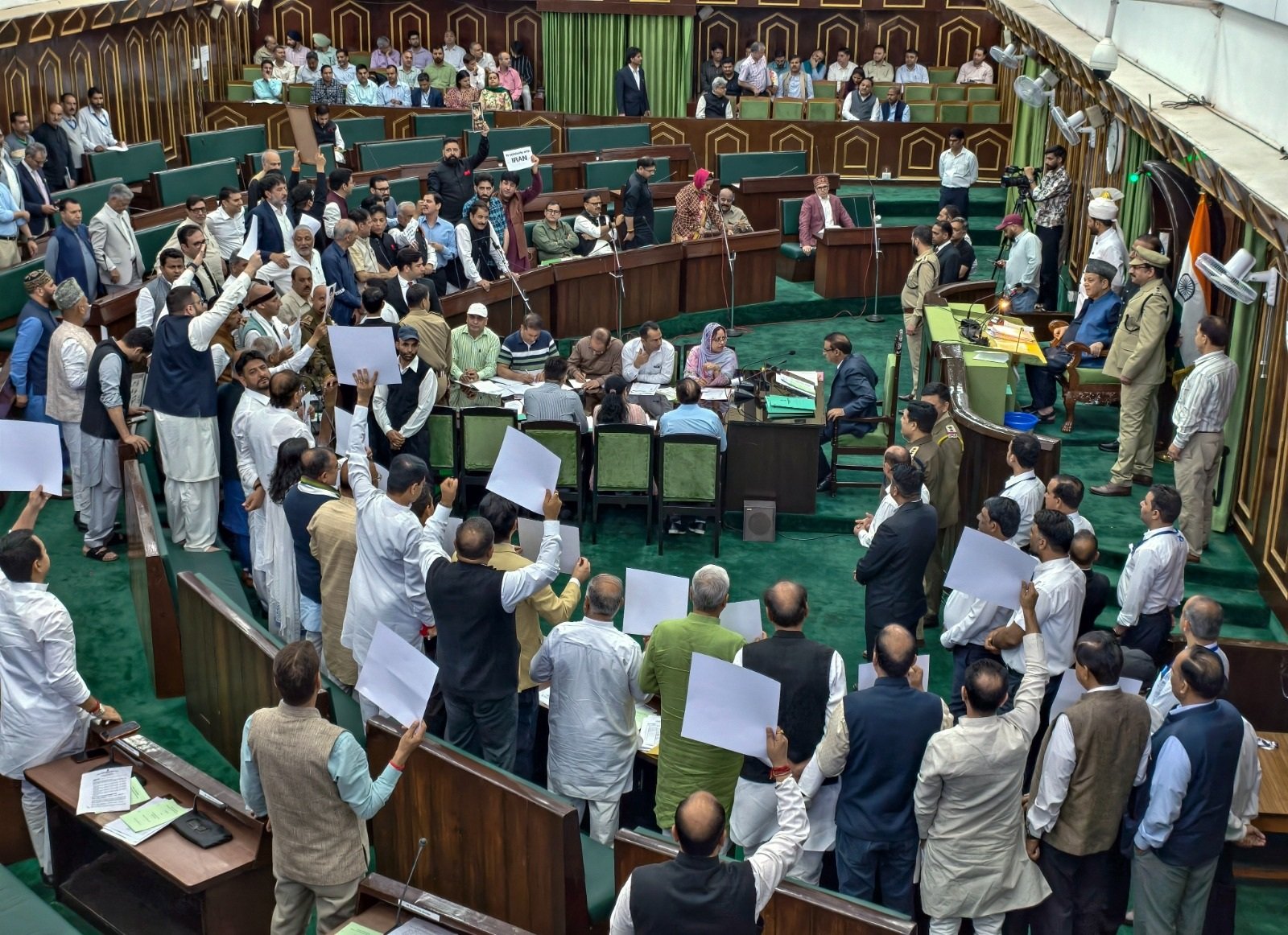
The Assembly has undoubtedly reasserted its presence. It has revived debate, reopened political contestation, and brought governance back into the public domain. But it has also exposed its own constraints, most visibly in the inability to convert key legislative proposals into actionable outcomes.
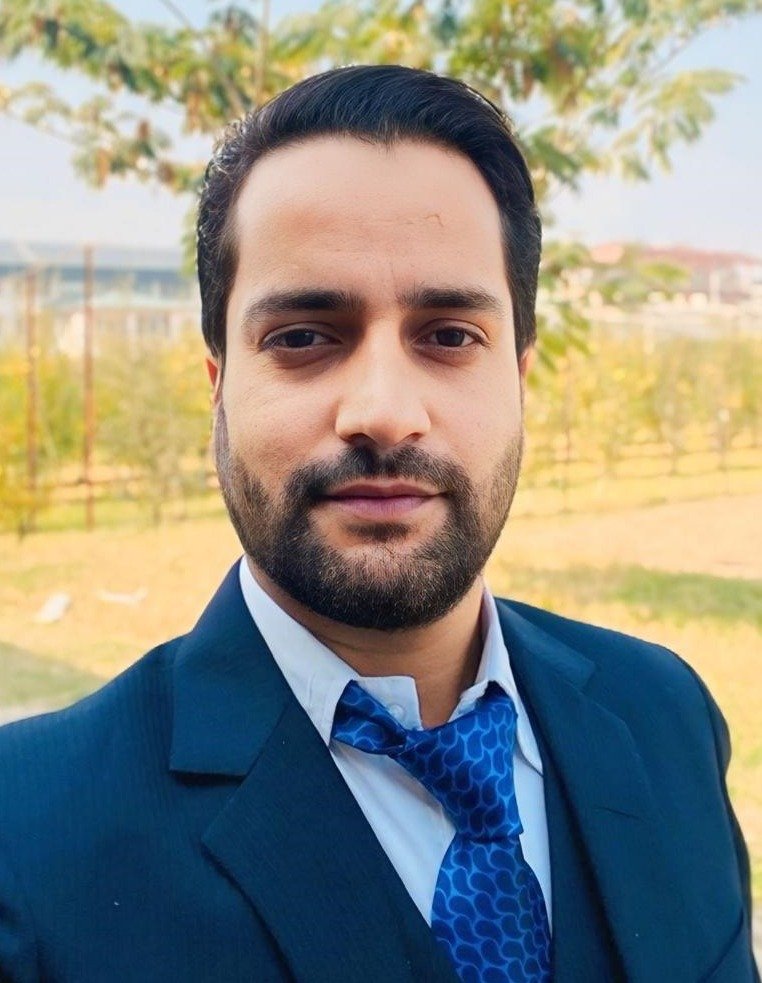
Dr. Umer Iqbal
The silence has finally been broken. This year’s Assembly session begun only to sound like a legislature again. The echo of footsteps has given way to the rhythm of argument, the sharp interruptions, the rising tempers, the thud of desks, and the uneasy choreography of power and opposition reclaiming space in full public view.
Yet, as the session concludes after weeks of sustained debate and legislative activity, what emerges is not a simple story of democratic restoration. It is a far more complex narrative, one where politics has returned, but outcomes remain contested.
Inside the House, the atmosphere was charged from the outset. Members across party lines appeared determined to make up for lost time. There was urgency in every intervention, questions were sharper, adjournments more frequent, and speeches carried the weight of years of political absence. The Assembly functioned not merely as a lawmaking body, but as a centre where accumulated political grievancessuppressed for years found expression all at once.
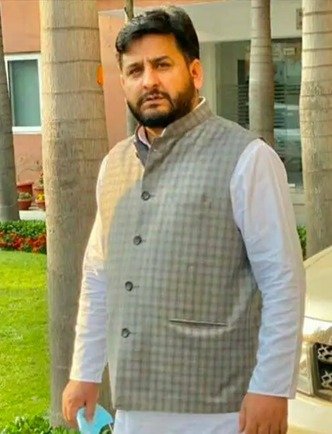
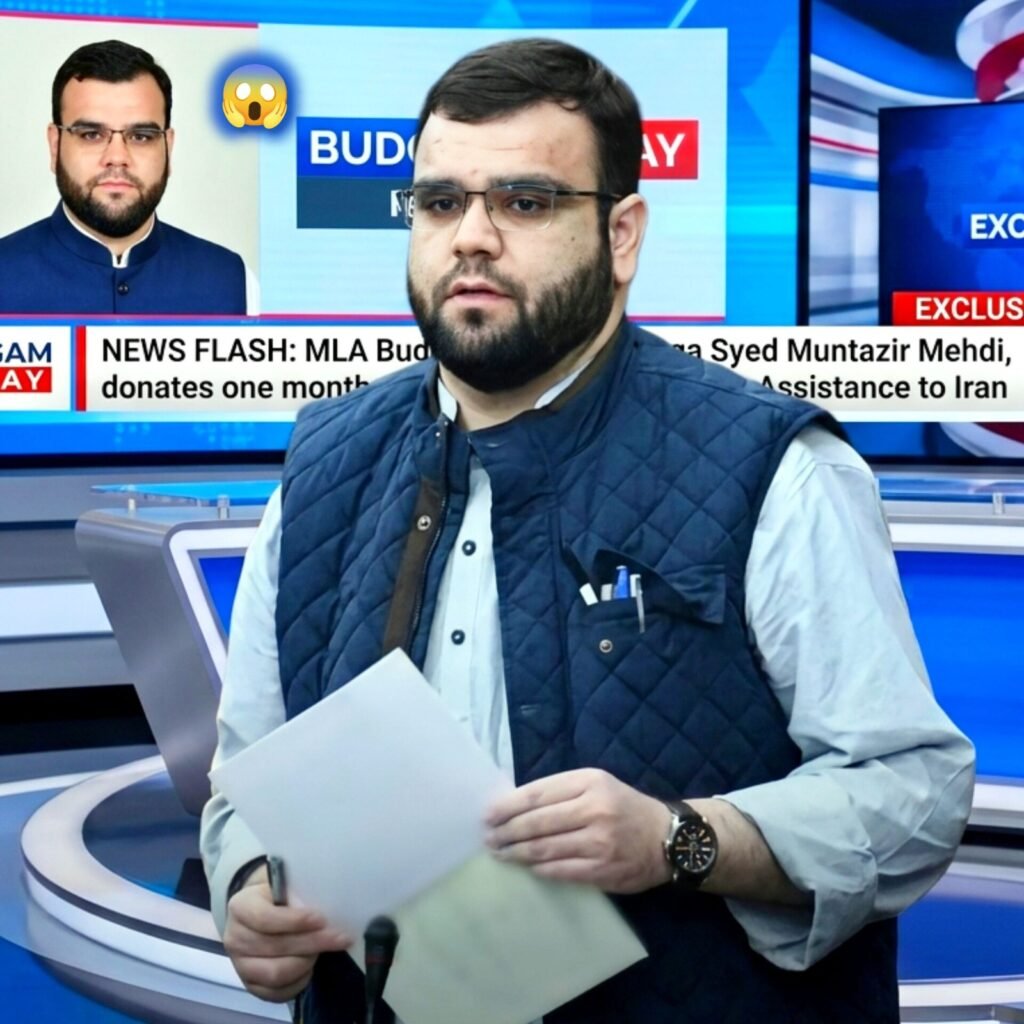
This urgency translated into an unusually high volume of legislative activity. Private member bills, rarely taken seriously in the past, became central to the political theatre of this session. Proposals ranged from administrative decentralisation and land safeguards to employment regularisation and social reconciliation. When Waheed Para pushed for Territorial Administrative Reorganisation framework, it was not just a policy suggestion, it was a direct challenge to centralized governance. Similarly, Aga Syed Muntazir Mehdi attempted to legislate a structured reintegration of displaced Kashmiri Pandits, bringing one of the region’s most sensitive issues back into formal political discourse.
Employment, in fact, hovered over the entire session like an unspoken headline. Every major discussion whether on budget allocations, education reforms, or administrative restructuringeventually circled back to the same anxiety. Where are the jobs?
However, what defined this session just as much as the introduction of these bills was their fate.
A significant number of these politically sensitive and structurally important proposals were either rejected, stalled, or effectively neutralised within ‘procedural mechanisms.’Bills dealing with administrative autonomy, land protections, and aspects of reservation restructuring failed to move beyond discussion stages. Others were set aside on technical grounds or did not receive the necessary institutional backing to progress.
This pattern revealed a critical truth: debate may have returned to the Assembly, but legislative success remains tightly constrained.
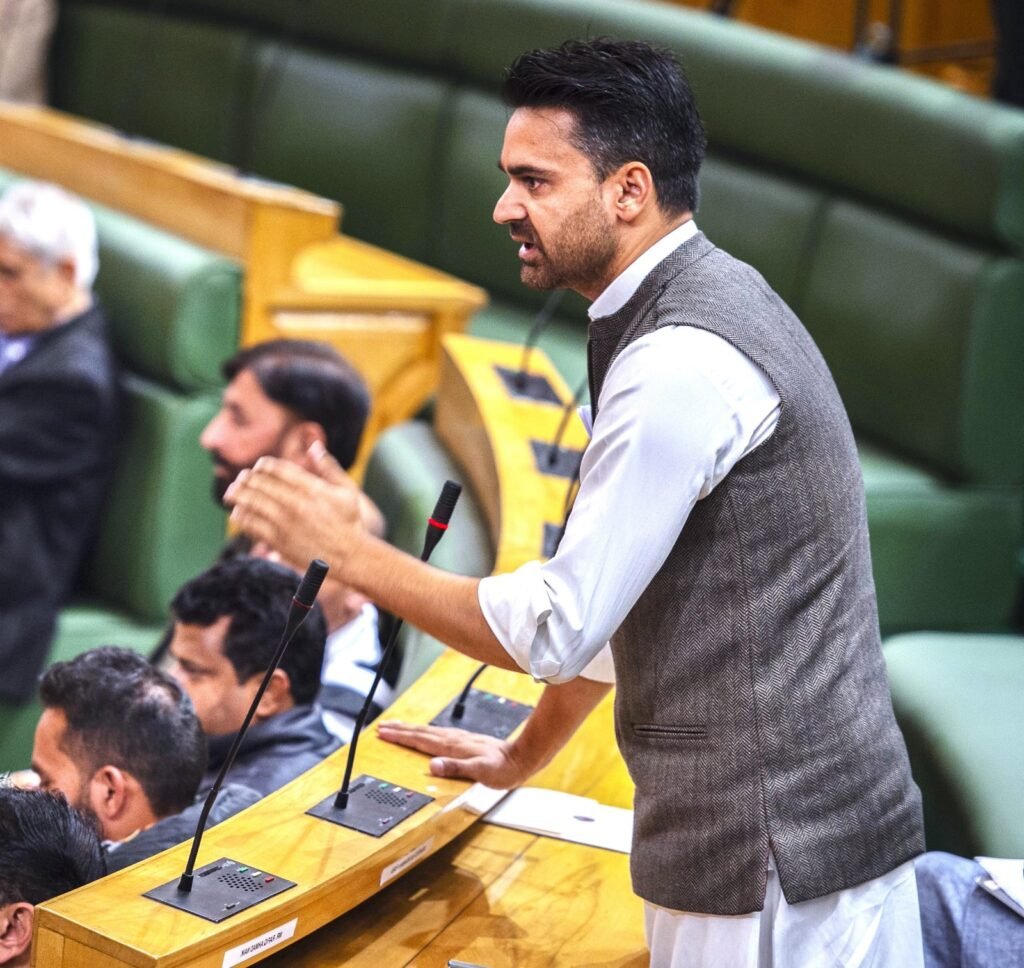
The rejection and stalling of these bills triggered some of the most heated exchanges of the session. Opposition members accused the system of allowing discussion without permitting transformation, arguing that the Assembly risks becoming a space where issues are aired but not resolved. Treasury benches, in response, defended the need for procedural scrutiny and policy alignment. Yet, beneath this exchange lay a deeper unease, whether the Assembly has the functional space to translate political will into law.
Nowhere were these tensions more visible than in the debate over reservation policy. What might appear as a technical administrative matter elsewhere has, in Jammu and Kashmir, become a question of identity, fairness, and access. Legislators repeatedly raised concerns about the expansion of quotas and its perceived impact on merit, particularly in a region where government employment remains one of the few stable career pathways. The inability to push forward meaningful legislative adjustments on this issue only deepened the frustration, both inside the House and beyond it.
Kashmir is no longer asking whether democracy has returned.It is asking something far more consequential: If laws cannot be made, can power truly be exercised?
Employment, in fact, hovered over the entire session like an unspoken headline. Every major discussion whether on budget allocations, education reforms, or administrative restructuringeventually circled back to the same anxiety. Where are the jobs? Why do recruitment processes remain delayed? What happens to thousands of daily wagers and contractual workers who continue to exist in administrative limbo? Proposals aimed at their regularisation were among those that struggled to gain legislative traction, reinforcing the perception that the Assembly can acknowledge problems more easily than it can solve them.
The government’s economic narrative attempted to project optimism. Tourism expansion, the promise of IT hubs, and increased healthcare spending were presented as indicators of a transitioning economy. On paper, the vision appeared forward-looking. But the tone of the debates suggested that many legislators and by extension, the public remain unconvinced. The benefits of growth, they argued, are unevenly distributed, often visible in urban pockets but less so in rural and peripheral regions. Inflation continues to shape everyday life in ways that policy announcements have yet to meaningfully address.
Nowhere was the gap between policy ambition and ground reality starker than in the discussions around education. Official narratives highlighted digital transformation viz smart classrooms, online platforms, and satellite-based learning initiatives. Yet, voices from various constituencies of Jammu and Kashmir painted a different picture. Schools struggling with basic infrastructure, erratic electricity supply, and limited internet access raised uncomfortable questions about the feasibility of such reforms. Here again, proposals seeking structural corrections remained largely within the realm of debate, rather than action.
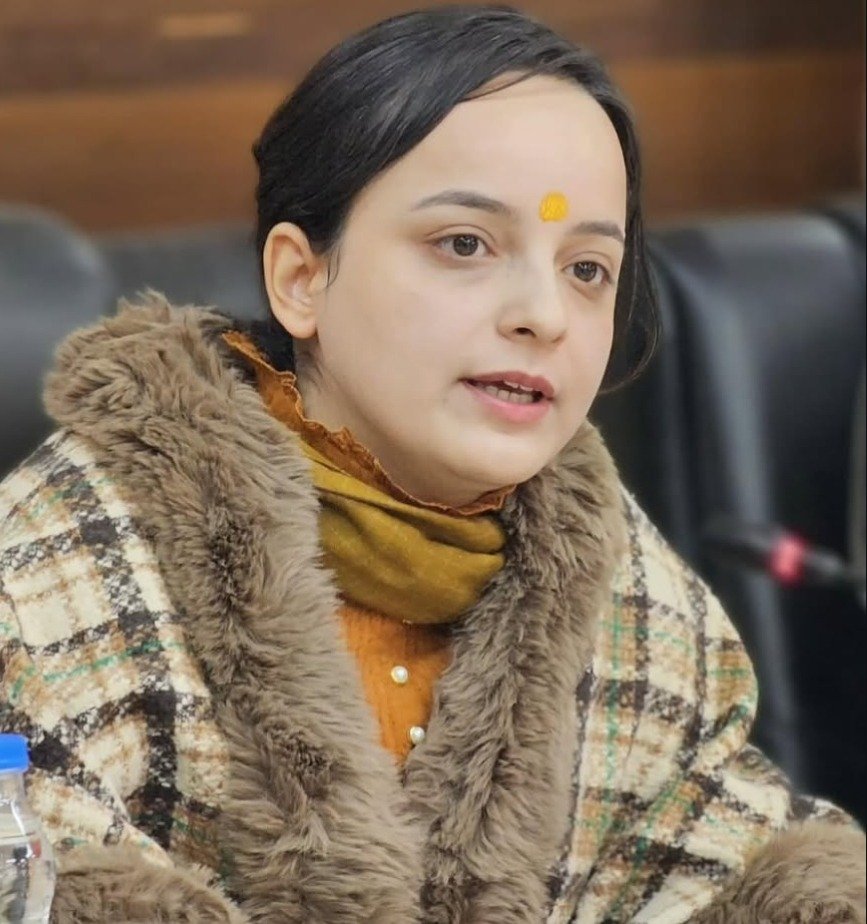
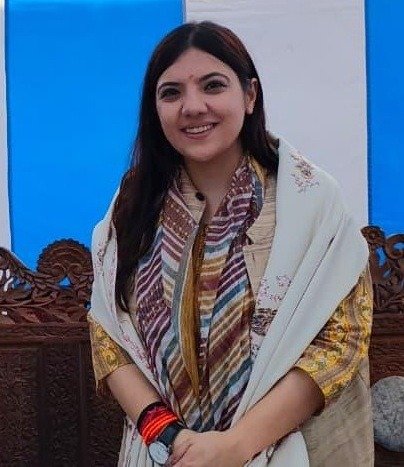
Amid these tensions, one of the more notable developments of the session was the emergence of a new political tone, shaped by younger legislators. Figures like Devyani Rana, who focused on grassroots economic initiatives, and Shagun Parihar, whose presence symbolises a generational shift, brought a different energy to the House. Their interventions reflected a move toward governance-oriented politics. At the same time, experienced voices such as Fayaz Ahmad Mir ensured that regional concerns, particularly those of border districts and underserved areas remained central to legislative conversations.
Yet even this emerging political mix operates within a system where ambition frequently collides with limitation.
Outside the Assembly, the mood remains cautious. People are watching, but they are not easily convinced. The high-voltage debates inside the House do not necessarily translate into confidence outside it. For many, the rejection of key bills has reinforced a familiar skepticism that while political space has reopened, decisive change remains elusive.
One of the more notable developments of the session was the emergence of a new political tone, shaped by younger legislators. Figures like Devyani Rana, who focused on grassroots economic initiatives, and Shagun Parihar, whose presence symbolises a generational shift, brought a different energy to the House.
This sentiment is most visible among the youth. For them, the Assembly is not a symbol, it is a test. They are less interested in how many bills are introduced and more concerned with how many actually pass, how many translate into jobs, and how many improve everyday life. Employment, fairness in opportunity, and access to governance remain their core expectations. The repeated stalling of legislation directly linked to these concerns only sharpens their scrutiny.
This Assembly Session left behind a layered reality. The Assembly has undoubtedly reasserted its presence. It has revived debate, reopened political contestation, and brought governance back into the public domain. But it has also exposed its own constraints, most visibly in the inability to convert key legislative proposals into actionable outcomes.
Kashmir is no longer asking whether democracy has returned.It is asking something far more consequential: If laws cannot be made, can power truly be exercised?