

He was a man whose heart knew no divisions, whose words spread harmony, whose actions reflected compassion. He was a soul devoted to peace.
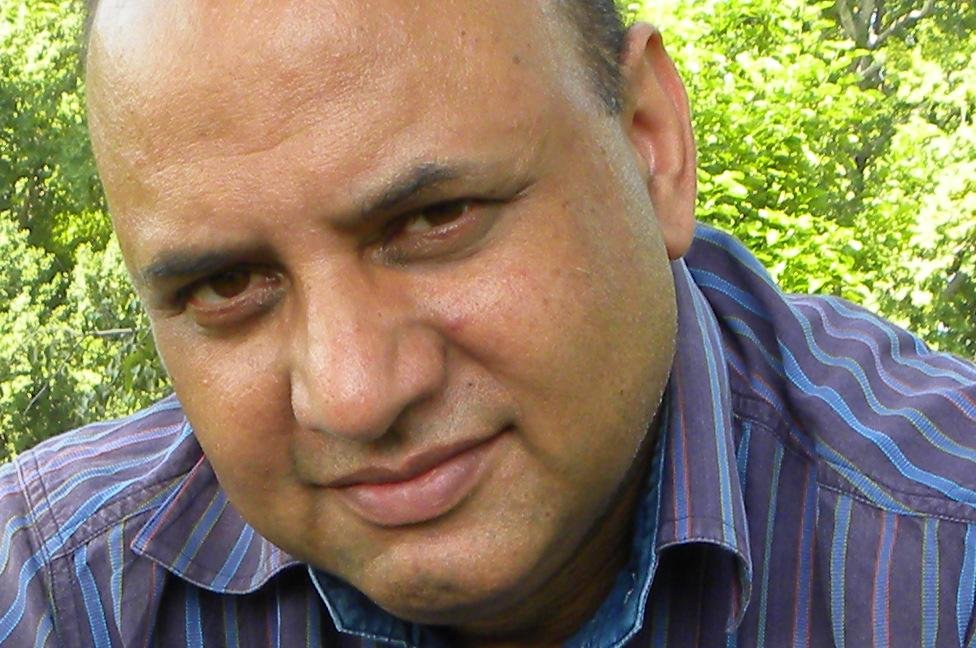
Zahoor Zahid
It was an unusually cold evening. Uncertainty hung in the air like a shadow. Black clouds covered the sky, and an unexplainable unease gripped my heart. I had never imagined that a storm of such terrible magnitude was about to descend upon us, a storm that would shake our very consciousness.
Then came the news of the cold-blooded assassination of Lassa Koul in Srinagar.
I could not believe what I had heard.
Without wasting a moment, I rushed towards the office, several kilometers away from my home. There was no transport available, so I walked swiftly through the freezing evening, my mind refusing to accept the horror of the news. With every step, I prayed that the reports were wrong, that perhaps Koul Sahab had only been injured. His face kept flashing before my eyes again and again.I do not know how I covered that distance.
But when I finally reached the office, the worst fears were confirmed. Koul Sahab had indeed been assassinated.
The 13th of February 1990 became a nightmare that has never left me. Even today, whenever I think of that evening, a cold chill runs through my body. A deep gloom rises within me, and a sense of utter disbelief and sorrow engulfs my heart once again. The haunting memories of that night remain etched in my heart as vividly as if they unfolded only yesterday.
I was still in college when my cousin first took me to Radio Kashmir. It was the time when Yuva Vani had just hit the airwaves in Kashmir. For the first time, the youth had found a platform where they could express their concerns, discuss their problems, and participate in programmes on drama, literature, discussions, music, and much more. It was one of the finest initiatives of the Government of India, aimed at giving direction to the younger generation, encouraging them to understand their culture, and contribute through their own language.
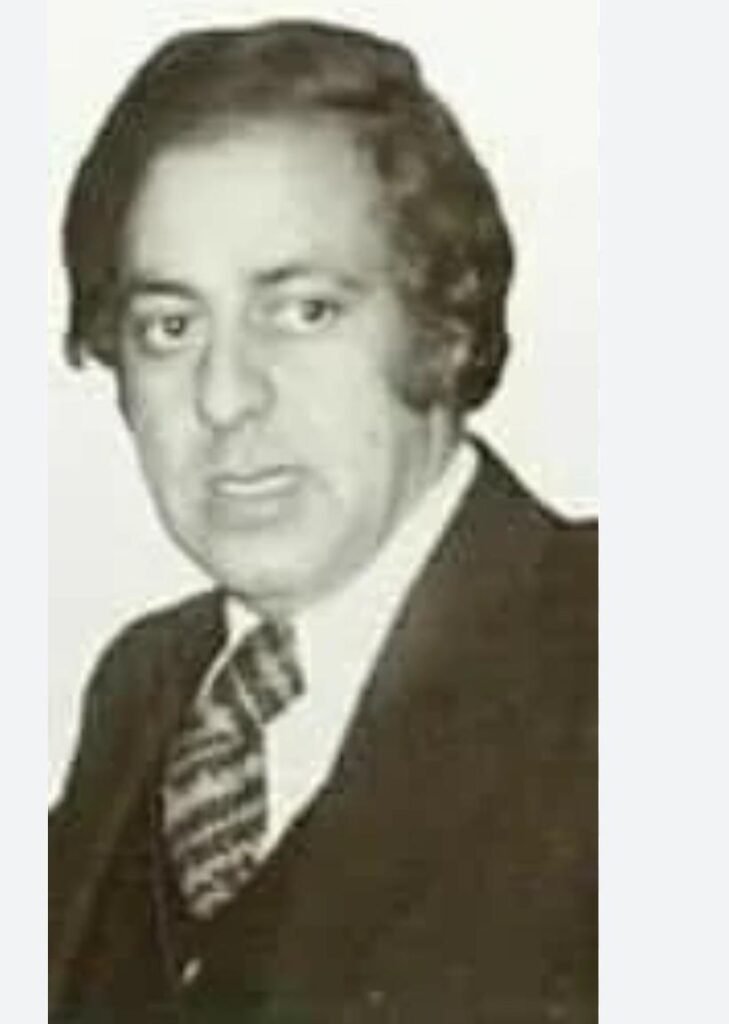
It was there that I first met Lassa Koul. He was an extraordinarily handsome man whose personality carried the aura of a film star. Tall, fair, graceful, and extremely soft spoken, he possessed a rare warmth that instantly put people at ease. At that time, he was serving as a Programme Executive. He spoke to me with great encouragement and kindness, and that meeting became the beginning of my lifelong association with radio. What started as curiosity slowly turned into a deep romance with broadcasting, and eventually became my passion.
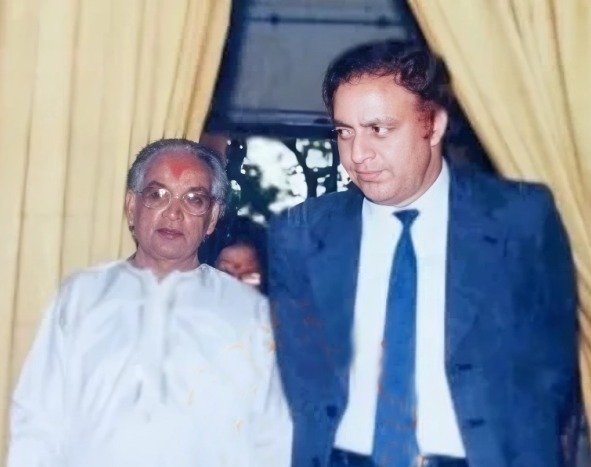
When Koul Sahab took over the reins of Radio Kashmir, one of the first things he ensured was that all vacancies in the staff artist cadre were filled purely on merit. Under his leadership, some of the finest musicians and artists were recruited. Among them were Mohammad Yaqub Sheikh for Sufiyana music, Showkat Ahmad on Santoor, Zahoor Ahmad on clarinet, and Mohammad Abdullah Shakhsaaz on Sarang. Later, I too was selected, followed by many others whose lives were shaped because of his vision and commitment.
His greatest priority was to make radio broadcasting meaningful, refined, and artistically rich. He was a brilliant programmer who introduced several memorable initiatives that transformed the sound and soul of Radio Kashmir.
One of his most celebrated programmes was Studio 6, a musical platform that introduced fresh voices and new instruments to Kashmiri listeners. Some of the most iconic songs of that era were recorded there, songs that became the heartbeat of countless homes across the Valley. “ Ba ha chasdramitch yaaras patai Su kas patai goom”, Manay Booziv yeman kalaman hosha Hosh”, The programmewas produced by legendry Bhajan Sopori and I was the host.
He also introduced the broadcast of Sheikh-ul-Alam’s shruks and Lal Ded vakhs at the close of the daily transmission. Through these broadcasts, he beautifully connected spirituality, culture, and language with the everyday lives of listeners.
Koul Sahab was a true Kashmiri in every sense. He was a connoisseur of Kashmiri language, culture, and artistic traditions. For him, Kashmir symbolized harmony, coexistence, and peace among people of different faiths.
He dreamt of reviving the fading tradition of Sufiyana music through a programme called “Baithak.” Sadly, the turmoil and uprising of the times did not allow that dream to fully materialize.
He also initiated live concerts solely for the promotion of art and culture. I still vividly remember one such concert held at the Women’s College, where I had the honour of introducing the programme. For the first time, Talha Jahangir and the late Ghulam Ali Majboor appeared together as anchors. It was a beautiful blend of satire, laughter and music. During that concert, Jahan Ara Janbaz and Naseem Shifayee were introduced as singer and poet respectively. Bhajan Sopori had composed the unforgettable song “Madono,” which soon became one of the most loved songs of that era.
Looking back today, it feels as though Koul Sahab was not merely running a radio station. He was nurturing an entire cultural consciousness, preserving the soul of Kashmir through sound, language, music, and human connection.
While I was dreaming the past, the silence was suddenly shattered by the piercing shrieks and cries of my senior colleague, Girija Watal, as she rushed into the premises. Those cries still echo in my ears. They carried a grief so profound that it instantly spread through every corridor and every heart present there. Within moments, tears flowed freely. There was not a single dry eye among us.
And why would there be?
We had not merely lost a colleague. We had lost a member of our family, someone who was cherished by all of us, someone whose presence had become inseparable from our daily lives.
A pall of sorrow descended upon the main corridor where we stood together, stunned and broken, mourning a loss that seemed impossible to comprehend. The darkness of the night only deepened the darkness that had settled within us.
It was close to ten o’clock when it was decided that we would all go and see Koul Sahib one last time in the hospital morgue.
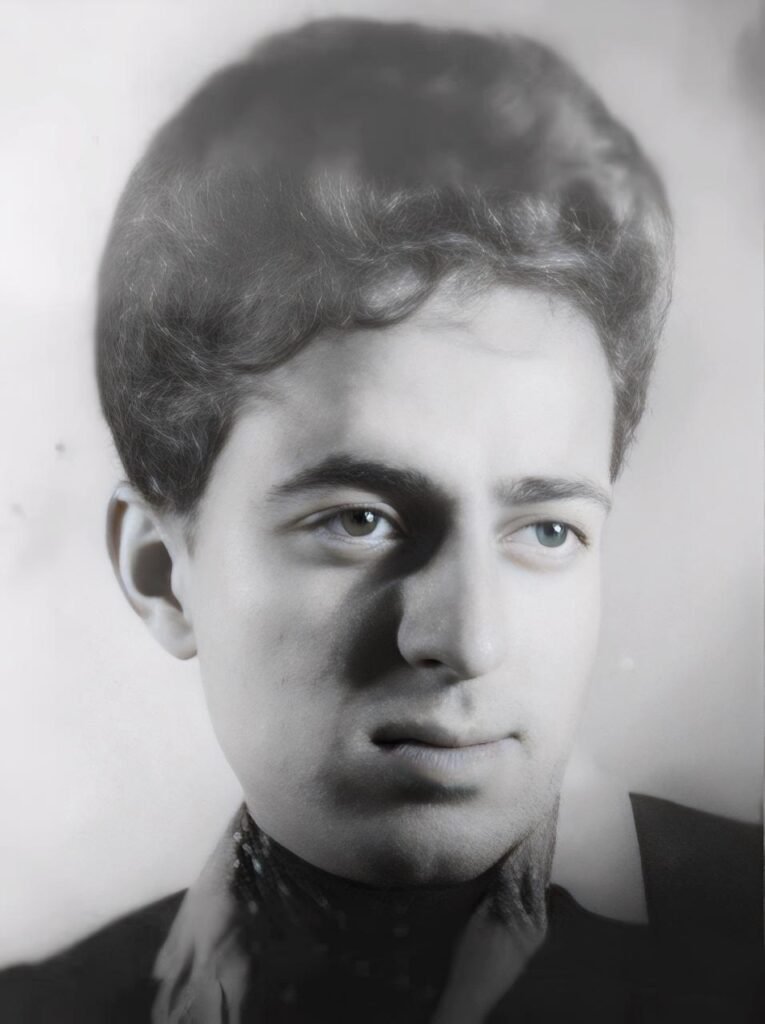
As I stood beside him, I found it difficult to believe that he was gone. He looked as though he had merely drifted into a deep and peaceful sleep. His face was calm, serene, untouched by suffering. There was a strange radiance upon it, a light that seemed to transcend the boundaries of life and death.
For a fleeting moment, I felt an irresistible urge to call out to him.
I wanted to say, “Koul Sahib…”
Somewhere deep inside, I believed he would open his eyes, smile gently, and respond as he always had.
But my voice failed me.
The words remained trapped in my throat. Nothing emerged except silence and tears.
For I knew that he had entered that sleep from which no one ever returns.
What made the tragedy even more unbearable was the kind of man he was.
He had harmed no one.
He stood firmly for Kashmiriyat, not as a slogan but as a way of life. He believed in the shared culture, mutual respect, and brotherhood that had defined Kashmir for centuries. He was a man whose heart knew no divisions, whose words spread harmony, whose actions reflected compassion.
He was a soul devoted to peace.
A man of rare goodness.
A man who believed deeply in secularism, humanity, and coexistence.
His death was not merely the killing of an individual.
It was the murder of humanity.
The murder of goodness.
The murder of compassion.
The murder of a voice that spoke of unity when others spoke of division.
Even today, when I think of that night, I do not remember a lifeless body. I remember a luminous face, a gentle soul, and a man whose life was a testament to the values that make us human.
It was a long and anxious night that seemed endless. We spent it in the retiring room at the station, haunted by the tragedy that had unfolded. The next morning, shortly after reaching home, I received a call from Qaisar Mirza, the correspondent of Voice of America. His voice carried an urgency that immediately filled me with dread. He asked me to come to his home in Zaina Kadal, saying my uncle, the veteran broadcaster Salahuddin Ahmad, wanted to speak to me.
That evening, after filing report on the assassination of Koul Sahib and recording an interview, Qaisar handed me the phone. My uncle wasted no time. He advised me to seek some other job. If the head of a major media institution could be gunned down, he said, people like me were even more vulnerable and easy targets
His words weighed heavily on my mind. I knew he would not speak so gravely without reason. Believing that my qualifications would help me find another job, I made a sincere effort to seek one, I had already applied for some jobs which suited my academic qualification. I came close to succeeding, but circumstances and the intended actions of a friend derailed the opportunity at the last moment.
During this period, one of my senior colleagues and spiritual mentors gave me a chilling warning. He told me not to pursue another job, saying that if I succeeded, I might have to pay for it with my life. His conviction unsettled me. Gradually, my enthusiasm faded, and I resigned myself to continuing where I was.
What followed was equally painful. The exodus of some of the finest minds from broadcasting, the shrinking programme staff, and the boycott by intellectuals steadily eroded the quality of programming. Survival became the priority; staying on air mattered more than excellence. Good programmesstill emerged occasionally, but they became rare exceptions.
For me, the inspiration was gone. I was merely drifting with the tide. Deep inside, I had already withdrawn. The cold-blooded assassination of Koul Sahib had not only taken a life; it had extinguished something within me as well.
Some people leave this world, but never truly leave the hearts of those who knew them.
Koul Sahib was one of those rare souls. His memory continues to live on, in my tears, in myprayers, and in the enduring belief that goodness, though wounded, can never truly be extinguished.
When Koul Sahab took over the reins of Radio Kashmir, one of the first things he ensured was that all vacancies in the staff artist cadre were filled purely on merit. Under his leadership, some of the finest musicians and artists were recruited. Among them were Mohammad Yaqub Sheikh for Sufiyana music, Showkat Ahmad on Santoor, Zahoor Ahmad on clarinet, and Mohammad Abdullah Shakhsaaz on Sarang.