

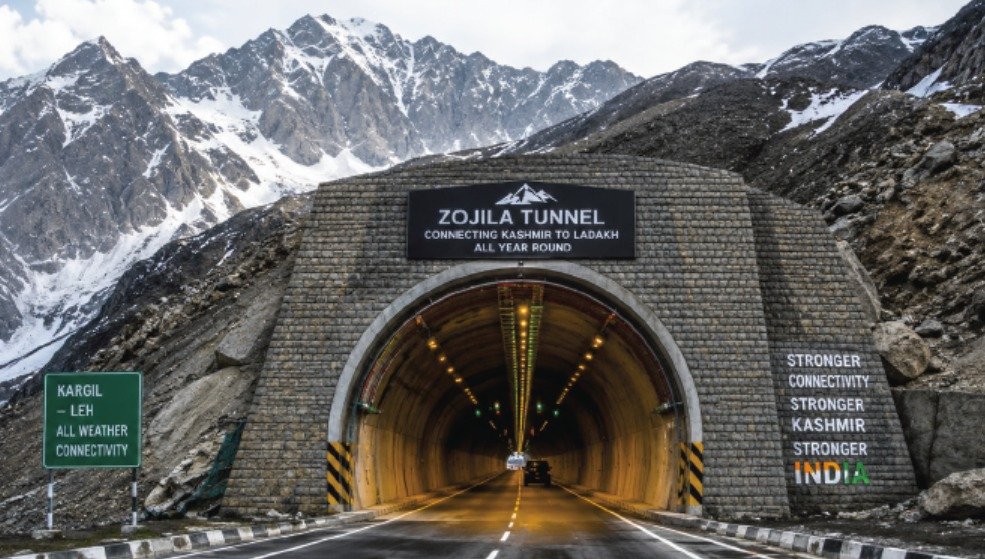
The strategic tunnel achieved a major construction milestone with a final breakthrough blast in June 2026. The project is currently on track for its operational inauguration and commissioning to the public in February 2028.
The Zojila Pass, located at an altitude of approximately 11,500 feet in the Himalayas, is strategically one of the most vital road links to strengthen the national security in the Union Territories of Jammu & Kashmir and Ladakh. The rising border tensions with China along the Line of Actual Control remains a huge concern and the seamless mobility on this world’s most dangerous mountain pass is a matter of prime importance as far as national security is concerned. The faster military mobilisation and increased emphasis on border infrastructure development in the high-altitude region of Ladakh is inevitable. Precisely, it’s here, the Zojila Pass assumes highest significance. In fact, its strategic significance has grown substantially after the creation of the Union Territory of Ladakh in 2019.
Historically, this mountain pass has remained closed for nearly five to six months every year due to heavy snowfall, avalanches, and extreme weather conditions. During winter, Ladakh often becomes physically isolated from the rest of the country, creating challenges for civilian movement, trade, tourism, and military logistics.
It’s worth mentioning that Zojila assumed historical importance when in 1948 Pakistan invaded Leh and Zojila Pass was captured by its forces. This triggered the Battle of Zojila and the Indian troops re-captured the Zojila Pass and repelled the Pakistani invaders. The outcome of the battle reopened the Srinagar-Leh route. Remarkably, the battle demonstrated India’s military innovation and strategic capability in defending its territorial integrity post-Independence.
Scripting History
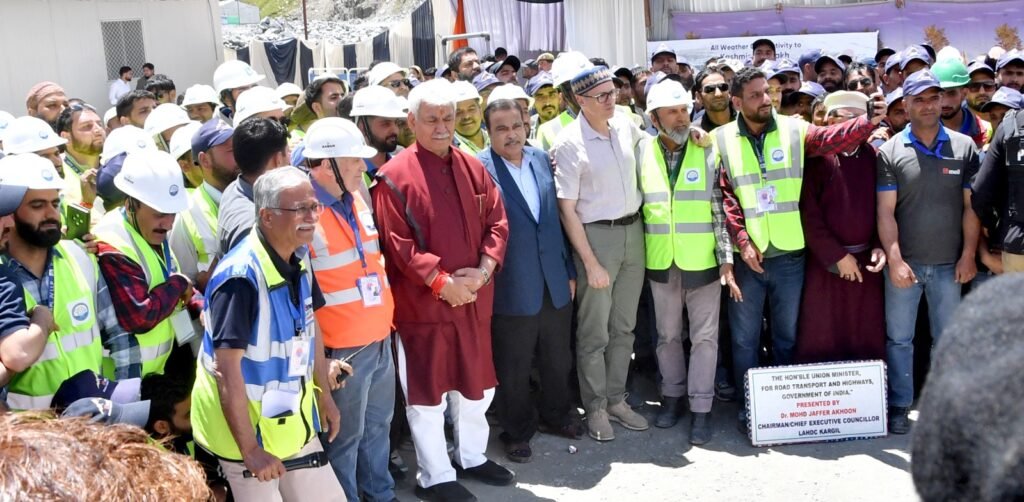
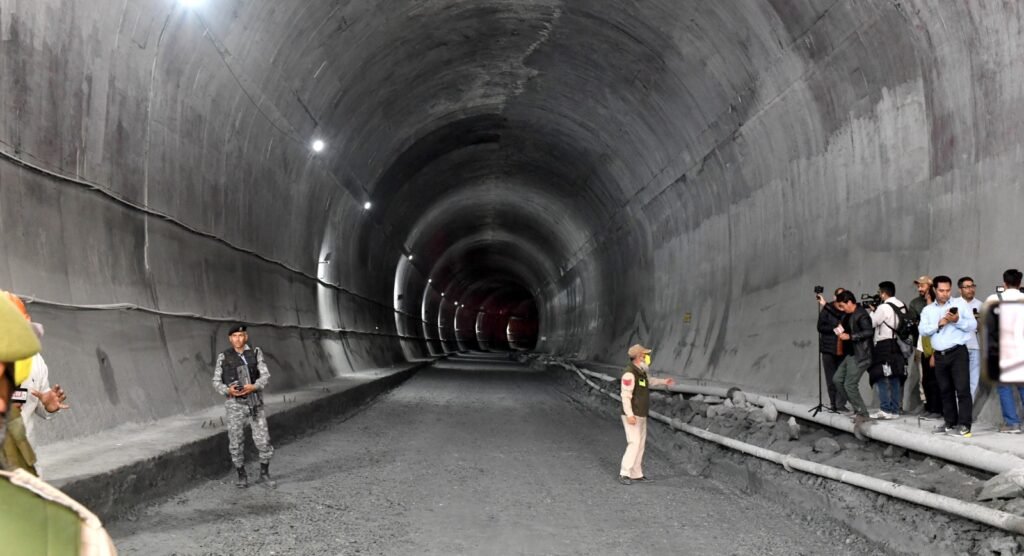
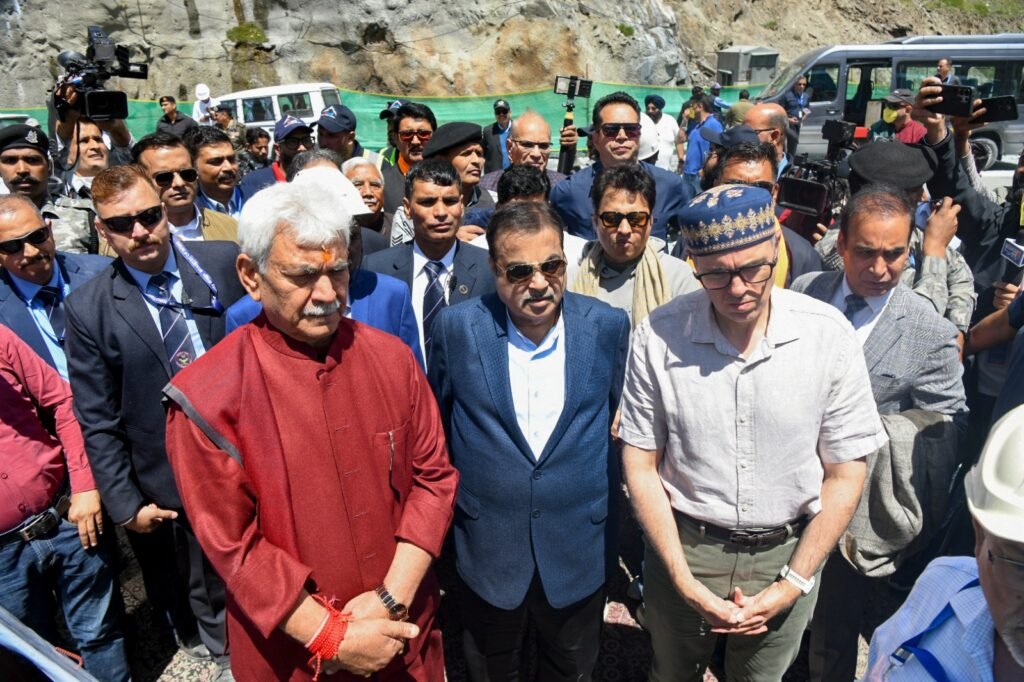
India scripted a new chapter in the history of its road infrastructure, when it reached a significant milestone as Union Minister of Road Transport & Highways Nitin Gadkari on June 9, 2026 triggered the final blast marking the breakthrough of the main tunnel at the eastern portal of the Zojila Tunnel Project at Minamarg in Kargil district. Gadkari described the Zojila Tunnel as a “game changer for national security and integration.” Once completed, the tunnel will provide all-weather connectivity between Kashmir and Ladakh, overcoming one of the country’s most challenging geographical barriers.
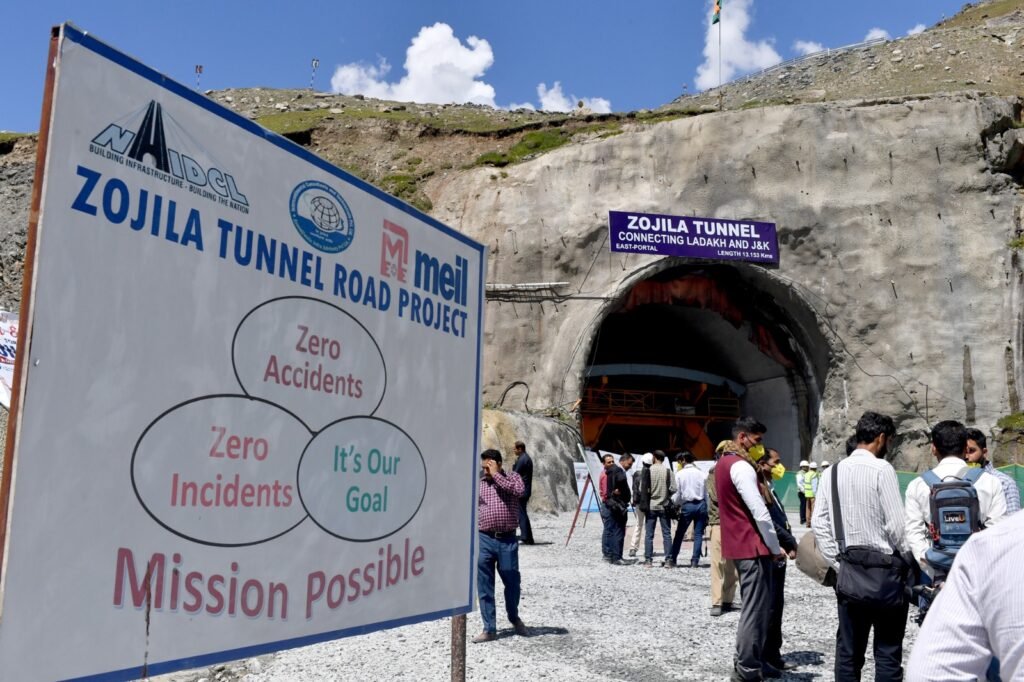
The Zojila Tunnel is far more than a transportation project. It represents a strategic investment in national security, economic development, and regional integration. By ensuring all-weather connectivity between Kashmir and Ladakh, the tunnel will enhance military preparedness, promote tourism and trade, improve public services, and strengthen India’s presence in a geopolitically sensitive region.
A Landmark Engineering Achievement
Being constructed between Baltal and Minamarg on National Highway-1, the nearly 14-km-long bi-directional Zojila Tunnel is one of India’s most ambitious mountain infrastructure projects, being developed at a cost of approximately Rs. 6,800 crore. Built at altitudes ranging from 2,900 metres to 3,310 metres, the project represents a significant engineering accomplishment in one of the world’s most challenging terrains.
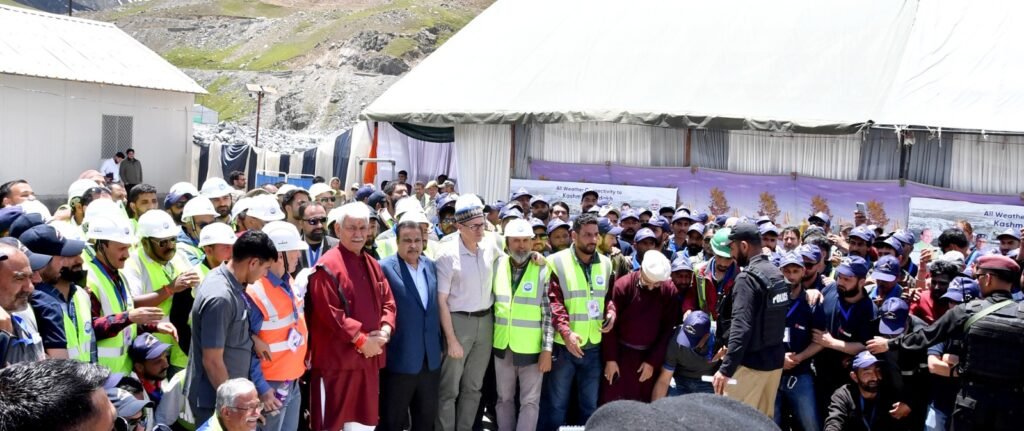
Despite heavy snowfall, harsh weather conditions and complex geological challenges, the project has progressed steadily through the efforts of engineers, workers, consultants, contractors, the National Highways & Infrastructure Development Corporation Limited (NHIDCL) and other stakeholders. Gadkari congratulated all those associated with the successful breakthrough.
Advanced Safety Features and World-Class Infrastructure
The tunnel will be equipped with modern ventilation systems, automatic fire detection systems, advanced CCTV surveillance and cross-passage facilities for pedestrians to ensure safe and efficient travel.
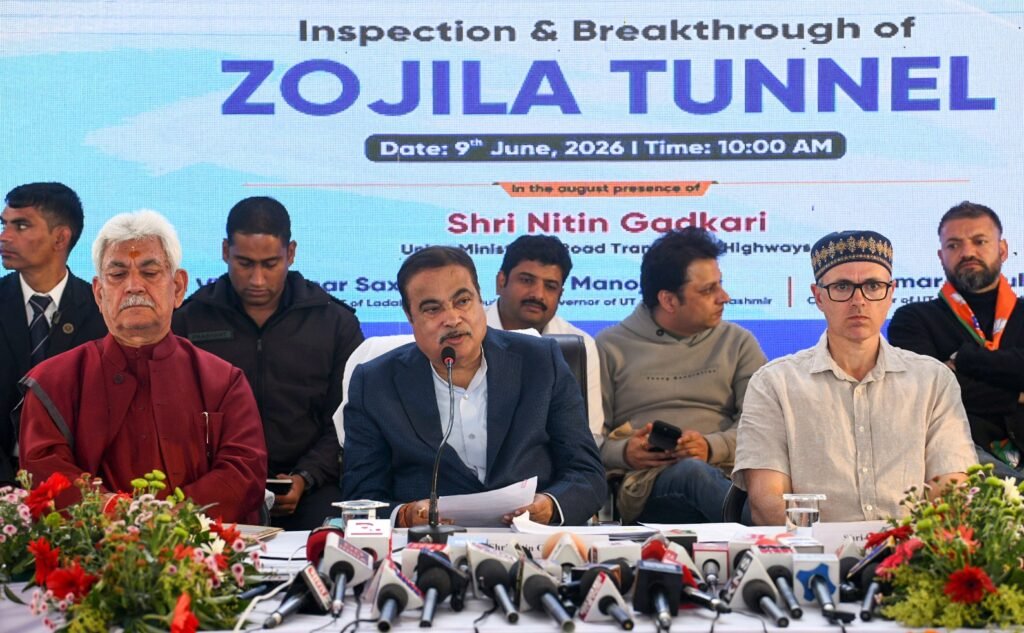
To address snow loads and geological challenges, the project includes eight cut-and-cover sections, four bridges, 40 culverts, snow galleries, catch dams, avalanche protection structures, approach roads and state-of-the-art safety arrangements.
Transforming Connectivity, Tourism and Strategic Mobility
The Zojila Tunnel is much more than a transportation project and will serve as a gateway to development for the region.
Upon completion, travel time between Sonamarg and Minamarg will be reduced from nearly two hours to about 30 minutes, resulting in significant savings in time and fuel. The project will also reduce accident risks and disruptions caused by avalanches and adverse weather conditions.
The tunnel is expected to boost tourism, facilitate trade, improve access to remote areas and strengthen connectivity to border regions. From a national security perspective, year-round connectivity will enable faster and more efficient movement of the Indian Army, equipment, supplies and logistics, thereby strengthening strategic preparedness.
The project will also generate employment opportunities, promote economic growth and improve the quality of life of local communities through enhanced connectivity and regional integration.
Tunnel Infrastructure Driving Connectivity Revolution
Highlighting the Government’s focus on tunnel infrastructure in the Himalayan region, Union Minister Gadkari said that tunnel construction has become a key component of highway development to ensure all-weather connectivity, improve road safety and enhance strategic mobility.
He emphasised that these infrastructure initiatives are not merely transportation projects but instruments of economic growth, tourism development, employment generation, regional integration and national security.
Gadkari said that the successful breakthrough of the Zojila Tunnel symbolizes the emergence of a New India that transforms geographical challenges into opportunities for development, prosperity and national progress.
(TIMES LINK Editorial Desk/ Inputs From PIB)