

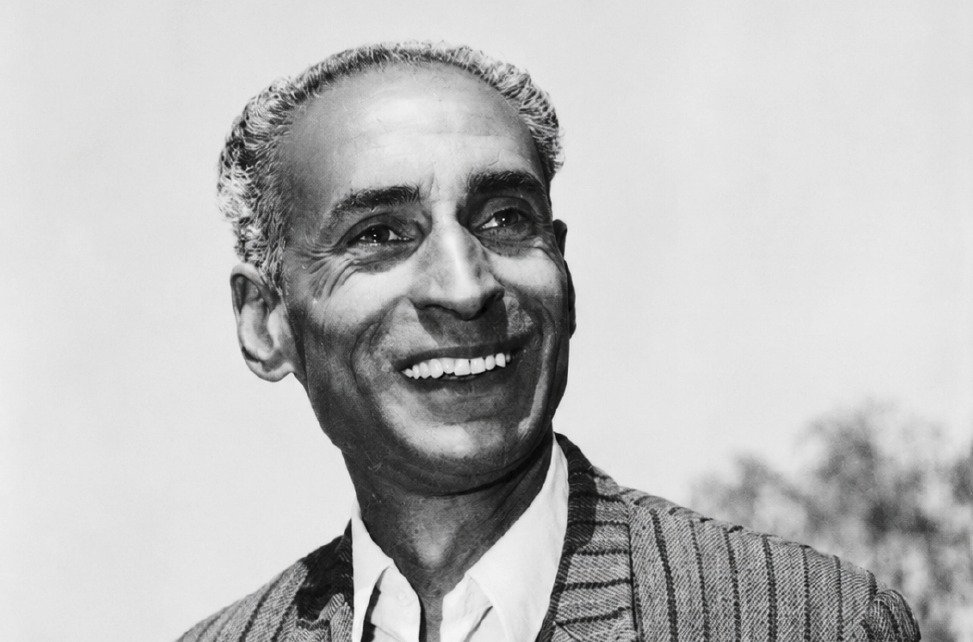
Founder of Human Rights movement, pioneer of workers movement and trade unions in Jammu & Kashmir, Hridai Nath Wanchoo was a social activist who selflessly worked for the downtrodden. He would do documentation on his old Remington typewriter for nights together sipping tea and discussing Kashmir. He suffered from severe joint pains in hands and legs, which would get intense in winter but this would not stop his passion for helping sufferers.
Jazim Bazaz
Hridai Nath Wanchoo was born in a family of academicians and technocrats on 24th May 1925 at Maliyar, Habba Kadal, Srinagar. His father Keshav Nath Wanchoo was a government employee in the judicial department and mother Leelavati was a house maker. He received his primary education from Ganesh Ghat School and later passed his matriculation from S.P. School, Fateh Kadal. Mr. Wanchoo joined S. P College and passed his degree from Lahore University. During his college days, he was actively involved in student politics and also associated with various organisations fighting for social equality, rights of downtrodden, right to health and sanitation. He also actively participated in “QUIT KASHMIR MOVEMENT” which was at that time headed by J&K National Conference founder Sheikh Mohd Abdullah. Because of his active involvement in socio-political activities, he got arrested and was jailed for around a year. He was put in detention at various jails of Jammu and Kashmir from time to time.
After his release, Mr. Wanchoo joined the Red Cross society and started many projects and schemes for the welfare of the people of J&K. He was supported by various renowned doctors of that time like Dr. Thusoo, Dr. Shangloo and Dr. Ali Jan. He became Assistant Secretary of Red Cross and established the organisation in all the regions of the erstwhile J&K State with the support from International Red Cross Society.
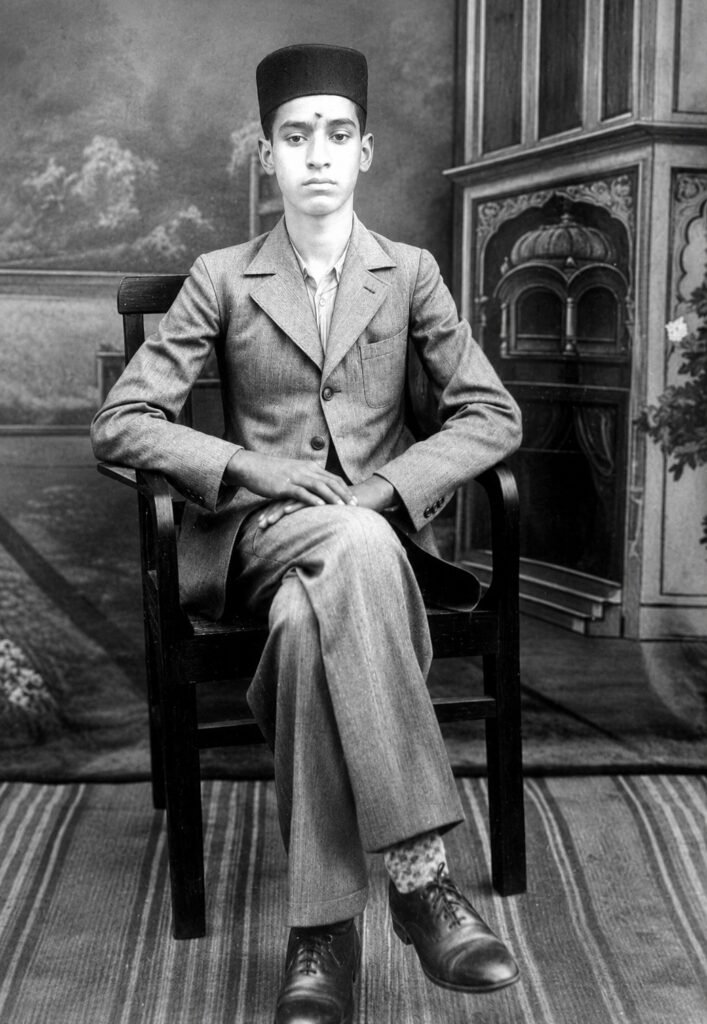
Mr. Wanchoo got married to Mughlani Devi and later joined a government job in Srinagar Municipality. This posting in the municipality changed his outlook towards life. He was deeply disturbed and saddened to see the plight of Safai Karamcharis (sweepers). Those days they had to carry all the dirt on their heads and had no tools available. Mr. Wanchoo started a movement for the welfare of these Safai Karamcharis. Initially, the then State government did not take them seriously, so Mr. Wanchoo organised a protest wherein all Safai Karamcharis collected the dirt of the whole city and put it in front of the government secretariat. After a long struggle they won and their major achievements included regular salary of Safai Karamcharis, insurance cover on duty, employment of a family member in case of eventuality, proper dress code, proper tools and health benefits. Mr. Wanchoo founded Srinagar Municipal Employees Union and organised the whole municipality in Srinagar and Jammu and later took it to district levels. He was instrumental in bringing the concept of Co-operatives in Kashmir and established Co-operative stores. He also started the concept of emergency fund for Safai Karamcharis, workers and other labour class.
Hridai Nath Wanchoo, all along his life, fought for the rights of Safaiwalas/Masheiks, the downtrodden, workers, and labourers in Jammu & Kashmir. The only thing that would give him solace and happiness was working 24×7 to uplift the living standard of these hapless souls. He had immense love and respect for Safaiwalas/Mashkys/sanitation workers. He would consider them as his extended family, and they equally loved him. Every evening at home, Mr Wanchoo would be busy on his Remington typewriter, doing major documentation work for these Safaiwalas.
He would always place Safaiwalas/Mashkys higher than bureaucrats, politicians, eminent citizens, or religious leaders. Notably, he would celebrate his every birthday with sanitation workers/Safaiwalas/Masheiks, who were also called Khaakraubs and would fight at all levels of bureaucracy for their rights and dignity. He had a strong belief that a day will come when Safaiwalas’ children will be studying and working in the best offices in J&K. He would often question, “How many of us can do the work of a Safaiwaala for just one month?” Handling human excreta and transporting the same on their heads for disposal in those days was pathetic. He would often say that they prevent “us” from major diseases and health hazards, risking their own lives while on the forefront
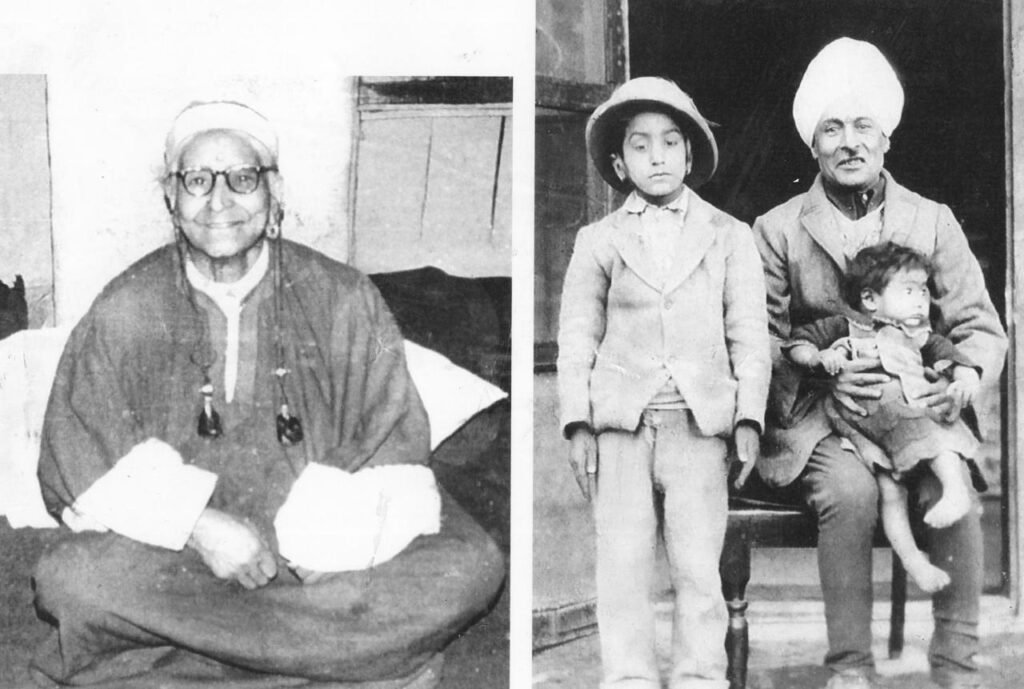
Remarkably, H.N. Wanchoo also started a Workers School at Batamaloo for the Safai karamcharis. In this School, which is currently “illegally occupied” by an influential person, students were given free books, uniforms and teachers would teach without salary. Today, the pass outs from this school are doing quite good in various sectors in and outside J&K. It’s worth mentioning that he would every Sunday organise a health camp for Safai Karamcharis followed by a lecture by his grandson, Dr. Amit Wanchoo, in English on current topics at Batamaloo. He would tell his grandson that addressing them in English elated and used to bring smiles on their faces.
Hridai means heart, and Mr. Wanchoo truly had a heart to identify and understand human sufferings, emotions, love, and pain. This heart of H.N. Wanchoo would always recognise and remember the services of Safaiwalas. All along his life he worked for the welfare of the Safaiwalas/Sanitation workers and their children so that their families have a respectable and dignified secured future.
Having closely worked with workers, Mr. Wanchoo was Secretary General All India Trade Union Congress ( body of workers), General Secretary for Kashmir Council for All India Peace and Solidarity, Director Indo – USSR Friendship Society, Director Indo-German Democratic Society, Trade Unions Co-ordinator South Asia for Moscow, Czechoslovakia, France, Poland, Egypt, Iran and many other countries. He had widely travelled and been to many countries in the world mostly representing the plight of workers and downtrodden. He has also worked a lot for the upliftment of labourers working in mining and other occupational hazard industries.
A Testament to Character
Hridai Nath Wanchoo was an ethical, humane, and honest soul. Once, during his second daughter’s marriage, the discussion at his home was about who would first welcome the Groom (Maharaaz) with a garland (Pooshimaal). Everyone in the family suggested names of elderly relatives, neighbours, senior bureaucrats, politicians, and others who were invited. But to everyone’s utter surprise, he had something else in mind.
On the day of the marriage ceremony, when the Baraat arrived, he handed over the welcome garland to a Safaiwaala, who was also heading their union. The Safaiwaala welcomed the groom with lots of love, emotion, and hugged him. He smiled, his eyes full of divine light. Everyone in the gathering was surprised, and many didn’t like this act, but he knew that no one else was higher in stature than the Safaiwalas.
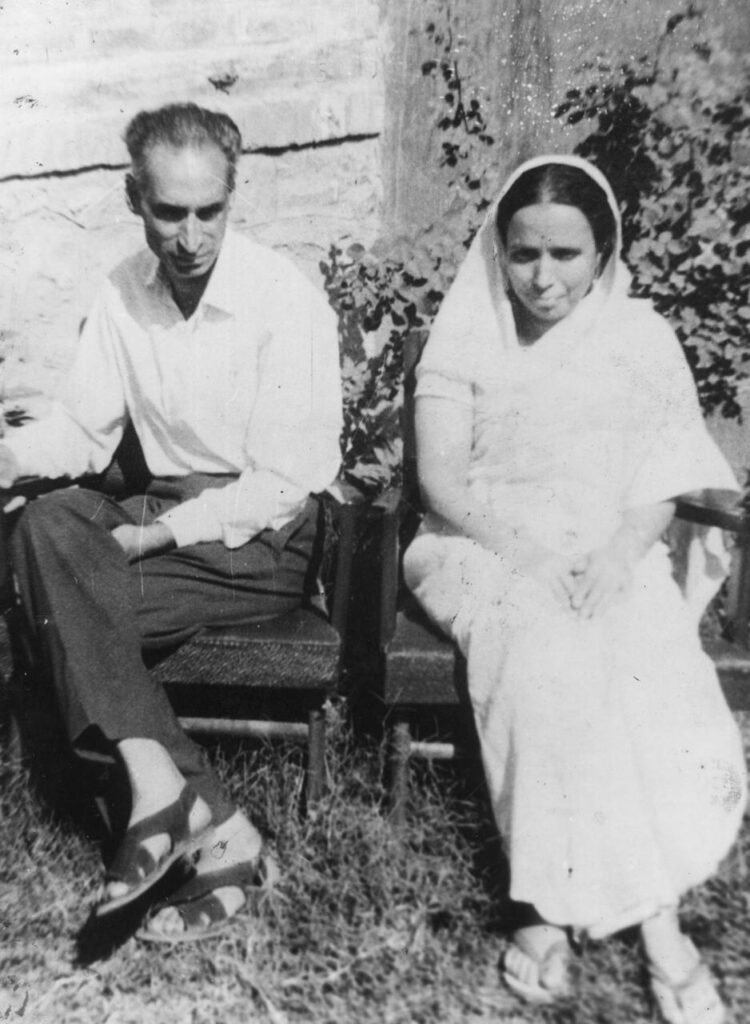
His love for Safaiwalas/Mashkys was selfless and infinite. He had adopted many children of Safaiwalas, whose education and daily needs were managed by him. One of his favourites was Ayesha from Khanyar, who was his dearest daughter. She has been a great, dutiful daughter who worked hard to fulfill his dream. For him, all these kids were like a treasure; he would teach them, train them in various skills, and they all were an important part of his extended family.
During dinners, he would generally ask his daughters about various new brands and products like clothing, soaps, hair oils, etc., for boys and girls. He would purchase them and give it to his grandson for gift packing, and later they were distributed among the children of Safaiwalas.
Championing Education: The Workers School
Safaiwalas and their children have faced discrimination from Kashmiri society in various sectors, including education. As is the present precedent in Kashmir, even in those days, school or college admission would depend a lot on family background and the profession of the parents. Children of Safaiwalas were often avoided by good schools because of their background or meagre financial resources. Mr. Wanchoo fought for their rights at a personal level, organisational level, and even in courts.
These episodes were regular and would deeply disturb Mr. Wanchoo. Finally, he felt the need of establishing a good private school for Safaiwalas and founded WORKERS SCHOOL at Batamaloo. Children of Safaiwalas, Mashkys, Anganwari workers, and other downtrodden sections of society were admitted in the school. Needy students were provided school uniforms and books. H.N. Wanchoo engaged his daughters, their friends, and relatives with sound academic backgrounds as teachers on a voluntary basis at the Workers School, Batamaloo.
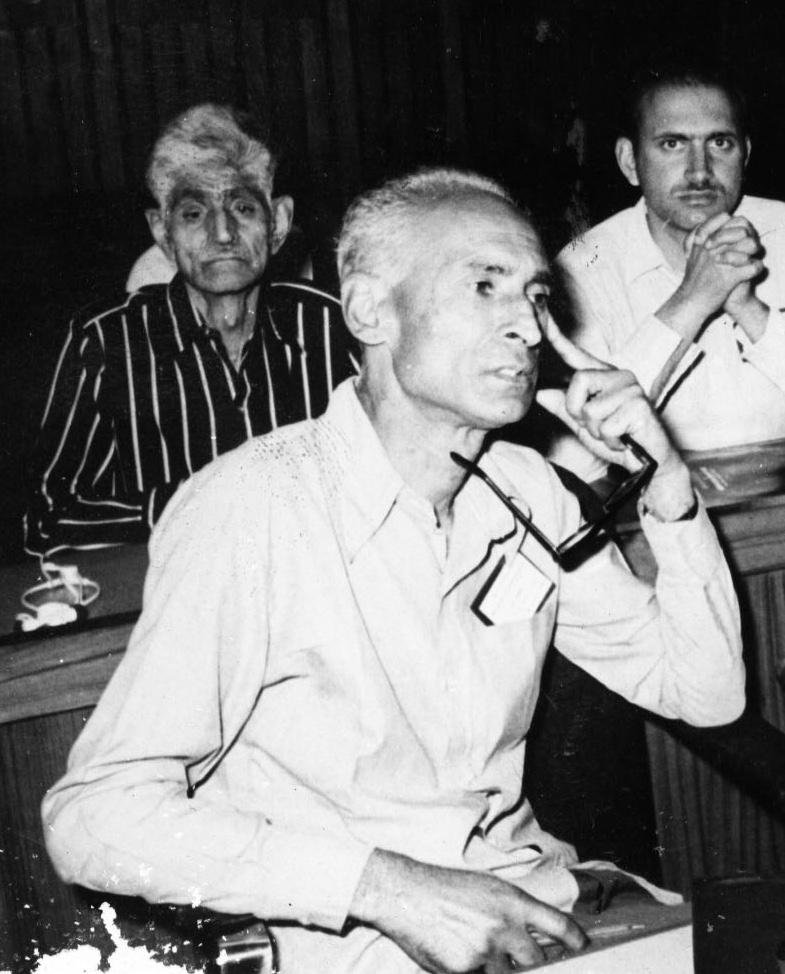
The school gained recognition and under his supervision, scaled great heights. Today, Workers School is illegally encroached upon by a local influential resident of Batamaloo. In spite of letters, complaints, and reminders to all commissioners of Srinagar Municipality, nothing has happened in the last 20 years. Locals of that area tried their best, but “corruption and nepotism” in the bureaucracy have been successful in diminishing the prospect and growth of a school for Safaiwalas. Workers School Batamaloo is next to the present-day Batamaloo dispensary.
After his assassination in 1992, not a single write up by any one about him on his birth or death anniversary was published except his family members. They were the same people who on 15th December, 1992 declared Jawahar nagar as Wanchoo Nagar but never visited his house on his death anniversary. His family runs a Trust in his name called H.N.Wanchoo Trust, which at present is running ambulance service in various districts, providing better healthcare and literacy facilities in Jammu and Kashmir.
Sundays of Service and Learning
Sunday used to be a special day at the Workers School. He would get ready, and take his grandson on his favourite Raleigh bicycle in the morning. He would never travel in a car, even when his son would request him umpteen times. He preferred a bicycle or walking. At Jawahar Nagar, we would first purchase delicacies from Billoria Sweets Shop. Every Sunday, the owner of the shop would make special preparations and pack them with love for all the guests and children of the school. It’s incredible that from Jawahar Nagar to Batamaloo, it would take us around two hours or even more to reach the school. After every ten steps, he would be greeted by someone, and then the discussion would start, either about some complaint, personal issues, or other related talks.
Everyone in the school had his or her responsibility, and those days the work culture was much better than present times in Kashmir. Health and hygiene awareness session would start in the morning in the school building. He would see patients, give them medicines free of cost, and classify patients who needed hospital admission. He would treat them, doing dressings in case of injuries, pus, and frostbites. He was exceptionally skilled in diagnostic skills. Notably, he had learned baseline medical skills during his tenure at J&K Red Cross Society, starting in 1948/49. After the morning medical session, he would have light entertainment and interactive sessions. He would always guide and give the role of preparing and presenting weekly current affairs news in English to his grandson. The same things were also translated into Kashmiri. He would also have interactions and discussions on various topics. The whole idea was to educate Safaiwalas and their families about the latest happenings around the world.
Unwavering Integrity
One of the major strengths of Mr. Wanchoo was his strong belief in truth and honesty. His wife, Mughlani ji, would often share her first experience when her husband was appointed as Khilafarzi officer in Srinagar Municipality. Mr. Wanchoo’s in-laws purchased a plot at Rajbagh and started constructing walls. Normally, one had to seek permission from the municipality in those days, and could not bypass the approved plan. However, the officers in charge didn’t object, thinking they were the in-laws of the Khilafarzi officer.
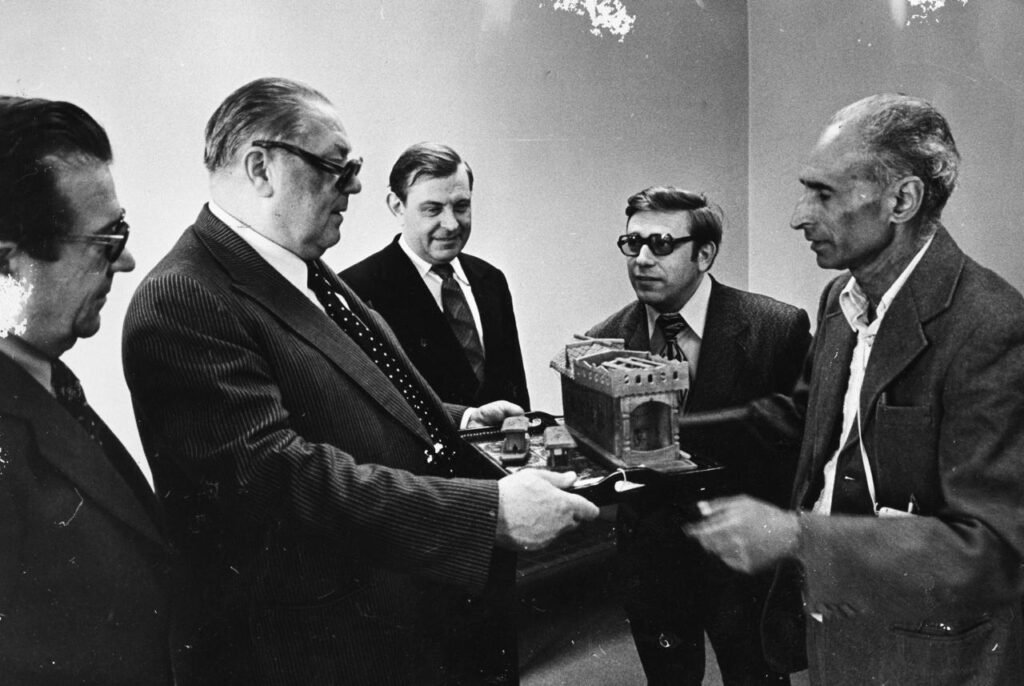
In the evening, Mr. Wanchoo came to know about this and he lost his temper. At once, he contacted the officer in charge and gave him a two-hour ultimatum to dismantle the structure or face suspension. No one in the family could tell him not to go ahead with the demolition. After two hours, he visited the site and stayed on till the whole structure was demolished. He was deadly against the culture of corruption and nepotism. Because of his honest attitude, he did suffer many times and even fought bureaucracy tooth and nail at all levels. In the municipality and public life, he was famous for his upright nature, and no bureaucrat or politician would ever approach him for undue favours.
A Legacy of Care and Advocacy
Safaiwalas in winters would be working in freezing temperatures without any protective gear. This would result in major infections in their extremities, skin, and chest diseases. Their working conditions were pathetic, and job security minimal. Mr. Wanchoo fought for providing protective gear to Safaiwalas, regularizing their jobs, providing them insurance, jobs for their family members in case of causality, and insurance cover. He also organized and raised an emergency fund for Safaiwalas/Mashkys, which they used in health emergencies, educational support, marriages, or home renovations.
He was Secretary General All India Trade Union Congress ( body of workers), General Secretary for Kashmir Council for All India Peace and Solidarity, Director Indo – USSR Friendship Society, Director Indo-German Democratic Society, Trade Unions Co-ordinator South Asia for Moscow, Czechoslovakia, France, Poland, Egypt, Iran and many other countries. He had widely travelled and been to many countries in the world mostly representing the plight of workers and downtrodden. He has also worked a lot for the upliftment of labourers working in mining and other occupational hazard industries.
In 1989- 1990, Hridai Nath Wanchoo actively fought for the rights of innocent people who were facing turmoil. He also formed Hindu Welfare Forum where he organised minority get togethers every weekend to restore confidence after the episode of migration. He was instrumental in bridging gaps between various communities and a strong supporter of communal harmony. Mr. Wanchoo raised his voice against all those who indulged in innocent killings, disappearance, tortures and extortions. He had a lot of love for Kashmir and would always say that he would prefer death than leaving his motherland. And that is what happened because he never compromised with the truth. He had to pay the price for his popularity and people friendly approach.
After his assassination in 1992, not a single write up by any one about him on his birth or death anniversary was published except his family members. They were the same people who on 15th December, 1992 declared Jawahar nagar as Wanchoo Nagar but never visited his house on his death anniversary. His family runs a Trust in his name called H.N.Wanchoo Trust, which at present is running ambulance service in various districts, providing better healthcare and literacy facilities in Jammu and Kashmir.
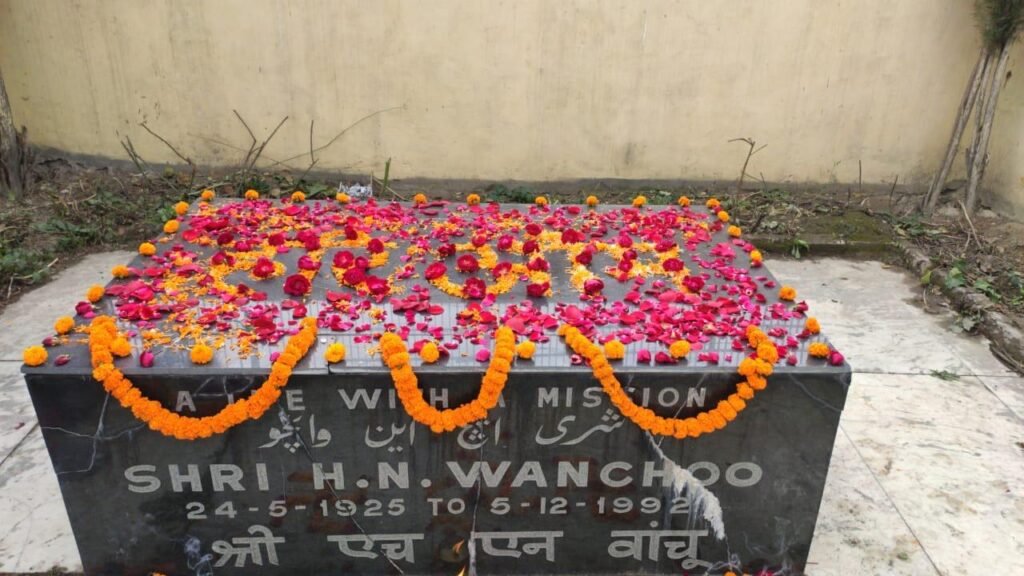
Helper for the weak and oppressed, caretaker of people’s rights, H N Wanchoo was one such brave son of Kashmir who realised his responsibilities towards his people and raised his voice. People of J&K remember him everywhere and every moment.
(INPUTS FROM H.N. WANCHOO’S NEARS & DEARS ARE ACKNOWLEDGED)
BOX ITEM
Dateline: 5th December 1992. At 10:15 am, Hridai Nath Wanchoo was assassinated at Balgarden, Karan nagar, Srinagar. No one could believe it as they had seen him active and smiling always. It was a personal shock and disaster for millions as he had tirelessly worked all through his life for their upliftment. Soon the news of his assassination spread everywhere in the valley and there was an unending flow of people coming to their home. The general public, lacs in number, joined his funeral procession and last rites on 6th Dec 1992 at DAV School Jawahar Nagar, just opposite to his residence.
Same day, the whole country was up in flames because of the Babri Masjid demolition. But in Kashmir the majority community was grieving on the loss of Shri H.N.Wanchoo and Kashmir was closed for five days in his honour. This call was not given by any organisation but voluntarily by people of Kashmir. H.N.Wanchoo lost his life because he was very emotional whenever the plight of the downtrodden was involved. On the fateful day, he was told that a Safai Karamchari family is in shambles and looking for you as their son has been taken by security forces. Without thinking for a second, even ignoring his severe joint pain he went with two guys in an auto and third guy following on scooter to Karan nagar where he was assassinated.