


Diabetes is one of the largest chronic-disease challenges of our time. The World Health Organization reports that approximately 830 million people worldwide are living with diabetes, most in low- and middle-income countries. Asia carries a major share: the ICMR-INDIAB study estimated that India alone had approximately 101 million people with diabetes in 2021. Each number represents a person at risk of heart attack, stroke, kidney disease, visual loss, neuropathy and premature death.
Kashmir is not protected. Precise valley-wide totals remain uncertain because studies use different populations and diagnostic methods. A study of 6,808 tribal adults from the Gujjar and Bakerwal communities across five districts of Kashmir found diabetes in 1.26 percent but pre-diabetes in 11.64 percent, about nine times as common. The authors warned that this pattern points to a rise in diabetes in the years ahead. These findings cannot be extrapolated to every Kashmiri, but they demonstrate a meaningful local burden.
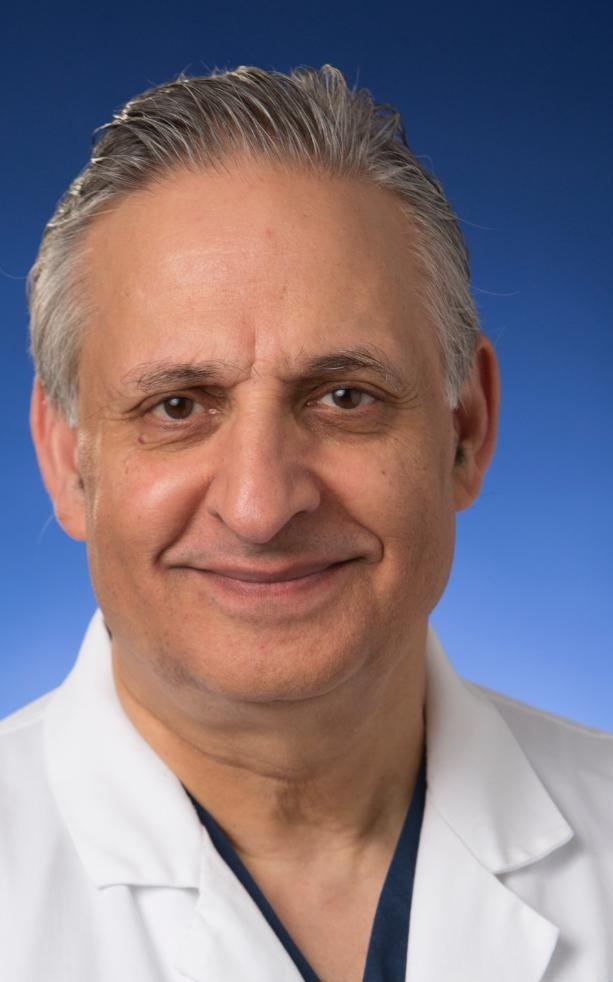
Dr. Fayaz Shaw, Interventional cardiologist and Founder of The Fayaz Shawl Philanthropic Foundation, stated this in conversation with TIMES LINK. Notably, the Fayaz Shawl Philanthropic Foundation is developing an education series: to promote earlier testing and practical guidance on food, portions, meal sequence, medication safety and activity alongside medical care.
Excerpts of the conversation:
TIMES LINK: What is the global diabetes scenario, and how would you briefly explain the disease?
DR. FAYAZ SHAWL: Diabetes has become one of the greatest public health challenges of our time. The World Health Organization reports that the number of people living with diabetes increased from approximately 200 million in 1990 to 830 million in 2022. India carries an especially heavy burden: the ICMR-INDIAB study estimated that approximately 101 million Indians had diabetes and another 136 million had pre-diabetes in 2021.
Diabetes is a chronic metabolic disease in which the body either does not produce enough insulin or cannot use insulin effectively. The resulting rise in blood glucose gradually damages blood vessels and nerves and increases the risk of heart attack, stroke, kidney failure, blindness, neuropathy and limb amputation.
More than 95 percent of diabetes worldwide is type 2 diabetes. It is influenced by genetics, abdominal obesity, physical inactivity, dietary patterns, sleep, age and other environmental factors. South Asians may develop type 2 diabetes at a lower body weight because of their tendency toward abdominal fat and insulin resistance.
The encouraging message is that type 2 diabetes can often be prevented, substantially improved and, in some individuals, placed into remission through early diagnosis, weight management when needed, appropriate nutrition, physical activity and medical treatment.
TIMES LINK: Do you consider diabetes an undeclared pandemic and a silent killer?
DR. FAYAZ SHAWL: Technically, diabetes is a non communicable disease, so “global epidemic” is a more accurate medical term than “pandemic.” Nevertheless, its worldwide scale and rapid growth make it a major global health priority.
It is often called a silent killer because type 2 diabetes may remain almost symptom-free for years. During that silent period, high glucose, high blood pressure and abnormal cholesterol may already be damaging the arteries of the heart and brain, the kidneys, the eyes and the circulation to the legs.
As an interventional cardiologist for more than four decades, I have repeatedly seen patients whose first obvious sign of diabetes was a heart attack, stroke, kidney disease or advanced vascular disease. We must therefore detect diabetes before complications announce its presence.
Indians tend to develop diabetes at a younger age and at a lower body weight than many other populations, so screening should not wait for symptoms. India’s national screening program offers testing to adults from the age of 30. Earlier and more frequent testing is sensible for people with a family history, abdominal obesity, high blood pressure, abnormal lipids, fatty liver or previous diabetes in pregnancy.
TIMES LINK: Despite modern treatment, why does diabetes continue to affect increasing numbers of people?
DR. FAYAZ SHAWL: Modern medicine has developed highly effective treatments, but medication alone cannot remove all the forces driving type 2 diabetes.
People are increasingly surrounded by inexpensive, rapidly digested carbohydrates, refined-flour products, sweetened drinks, large portions and highly processed foods. At the same time, daily physical activity has declined. Genetic susceptibility, abdominal obesity, inadequate sleep, stress and aging compound the problem.
Diabetes may remain undiagnosed because people often feel well. Even after diagnosis, access to healthcare, medication costs, inconsistent follow-up and difficulty sustaining lifestyle changes remain major barriers. This is not simply a failure of individual willpower; our food environment and social circumstances strongly influence metabolic health.
Medicines are essential and sometimes lifesaving, but they work best when combined with changes in meal composition, carbohydrate quantity, physical activity, weight and cardiovascular risk factors. We need to move from treating high glucose alone to addressing the complete metabolic environment that produces it.
TIMES LINK: Tell us about your research and the program you designed using food physics and cellular physiology.
DR. FAYAZ SHAWL: My present work is best described as a CGM-guided clinical observation and public-education initiative, rather than a completed clinical trial. It grew out of more than four decades of caring for patients with the cardiovascular consequences of diabetes, and from observing meal-by-meal glucose patterns with continuous glucose monitors (CGMs).
By food physics, I mean that the glucose response depends not only on what we eat, but also on portion size, food structure, preparation, combinations, sequence and timing. My practical program has these components:
• A small measured serving of almonds and walnuts, taken with a glass of water 20 to 30 minutes before a meal, when appropriate.
• Non-starchy vegetables such as haakh first, alone or mixed with a modest serving of plain unsweetened Kashmiri curd (Dahi or zamutdud).
• Protein or dal next.
• A small portion of rice, roti or bread last.
• Less refined flour, fewer sweetened drinks and smaller portions of white rice.
• A gentle 10- to 15-minute walk soon after meals.
• CGM or structured glucose monitoring to see each person’s response.
• Supervised medication adjustment when glucose falls.
The cellular physiology is straightforward. Fiber, protein and unsaturated fat slow digestion, so glucose enters the blood more gradually. Working muscles pull glucose out of the blood through a pathway that partly bypasses insulin, which is why a walk after eating helps. Plain curd adds protein and causes only a small rise in blood sugar, and in my CGM observations, mixing it with haakh at the start of the meal was associated with a smaller glucose rise. That combination has not been tested in a controlled trial, so I present it as a practical observation rather than a proven treatment.
Meal order, nut timing and curd do not replace the principal interventions: smaller portions, better food choices and regular activity.
I would not promise that this program can reverse advanced diabetes or eliminate medication. Some people with type 2 diabetes may achieve remission, while others will continue to need medication for glucose control or for heart and kidney protection. International consensus defines remission as an HbA1c below 6.5 percent measured at least three months after stopping glucose-lowering medication. Even after remission, continued medical follow-up is necessary because diabetes can return.
TIMES LINK: We understand that your observations began with a member of your family. What is the actual story?
DR. FAYAZ SHAWL: A close member of my family had poorly controlled type 2 diabetes, with an HbA1c of 8.9 percent. Before she started my recommendations, her seven-day continuous glucose monitor report, from September 6 to 12, 2026, showed an average glucose of 181 mg/dL. Her evening averages reached 205 and 220 mg/dL.
With her permission and alongside her medical care, I introduced a structured program addressing carbohydrate portions, meal sequence, food combinations and post-meal activity. Her next seven-day CGM report, from September 14 to 20, 2026, showed an average glucose of 133 mg/dL, a reduction of 48 mg/dL. As her glucose improved, I reduced her glucose-lowering medication, including insulin, as her physician and under close supervision.
This was a striking and encouraging response, but it was not a randomized trial, and it does not prove that diet alone produced the improvement. Medication changes, physical activity,adherence, sleep and other factors may also have contributed.
A repeat laboratory HbA1c after approximately three months is necessary to determine whether the improvement is sustained. I share this experience not as proof of a cure, but as an illustration that carefully structured, culturally appropriate changes can influence daily glucose patterns remarkably quickly.
TIMES LINK: What is your message to people with diabetes, and what exact measures should they take?
My first message is: do not panic, but do not remain passive. Diabetes can often be controlled very effectively, and pre-diabetes offers a valuable opportunity for prevention.
1 Know your baseline. Check laboratory HbA1c or fasting glucose. Also assess blood pressure, weight, waist circumference, cholesterol, kidney function and urine albumin. People with diabetes need regular eye and foot examinations.
2 Reduce the carbohydrate burden. Limit large portions of white rice, Maida products, sweets, sweetened drinks and refined Kandur breads. Rice does not have to be completely prohibited, but its portion matters greatly, and it should be eaten last.
3 Combine vegetables with plain Kashmiri curd. Begin with haakh, salad or another non-starchy vegetable. A modest serving of plain unsweetened Kashmiri curd, also called Dahior zamutdud, may be mixed with the vegetables or eaten alongside them. Plain curd is a low-glycemic-index food and adds protein. Follow with other protein or dal, and eat a small measured portion of rice or roti last. Choose plain curd without sugar, honey or sweetened fruit.
4 Use nuts sensibly. A practical option is approximately 10 unsalted almonds and four walnut halves 20 to 30 minutes before a meal, with a glass of water. Water supports hydration and may help you feel full sooner, but it has not been shown to lower glucose further. Stay within any fluid restriction your doctor has prescribed. Nuts should replace other calories rather than simply being added to every meal. Avoid them if you have a nut allergy.
5 Consider safely cooled and reheated rice. Refrigerating cooked rice for approximately 24 hours and then reheating it may increase resistant starch and reduce the glucose rise in some people. The effect is modest and does not permit a large portion. Put cooked rice into shallow containers and refrigerate it within two hours at 4°C or below. Reheat only the portion you need until it is steaming hot throughout (74°C), and do not reheat it a second time.
6 Walk after eating. When medically safe, begin a gentle 10- to 15-minute walk within approximately 10 to 15 minutes after finishing the meal. Aim for at least 150 minutes of moderate activity weekly and include muscle-strengthening exercise two or three times a week.
7 Measure the response. A CGM can reveal useful patterns, but it does not by itself diagnose remission. Review trends over 10 to 14 days and repeat laboratory HbA1c after approximately three months.
8 Protect against hypoglycaemia. When carbohydrate intake decreases, glucose may fall rapidly, particularly in people taking insulin or sulfonylureas such as glimepiride or gliclazide. Never reduce or stop medication without guidance from your doctor. Check glucose frequently, and use a finger-stick test when a sensor reading is unexpectedly low, falling rapidly or inconsistent with symptoms, especially at bedtime. If you take insulin before meals, ask your doctor whether its timing should change when rice or bread is eaten at the end of the meal.
For people with pre-diabetes, modest weight loss when needed, regular physical activity, sensible carbohydrate portions, good sleep, avoidance of tobacco and periodic testing can substantially reduce progression. The landmark Diabetes Prevention Program showed a 58 percent reduction in the development of type 2 diabetes with intensive lifestyle intervention over approximately three years.
My central message is simple: eat vegetables first, protein next and a smaller portion of carbohydrate last; walk after meals; monitor the response; and work with your physician. The objective is not one perfect sensor reading. It is lasting metabolic, cardiovascular, kidney and brain health.